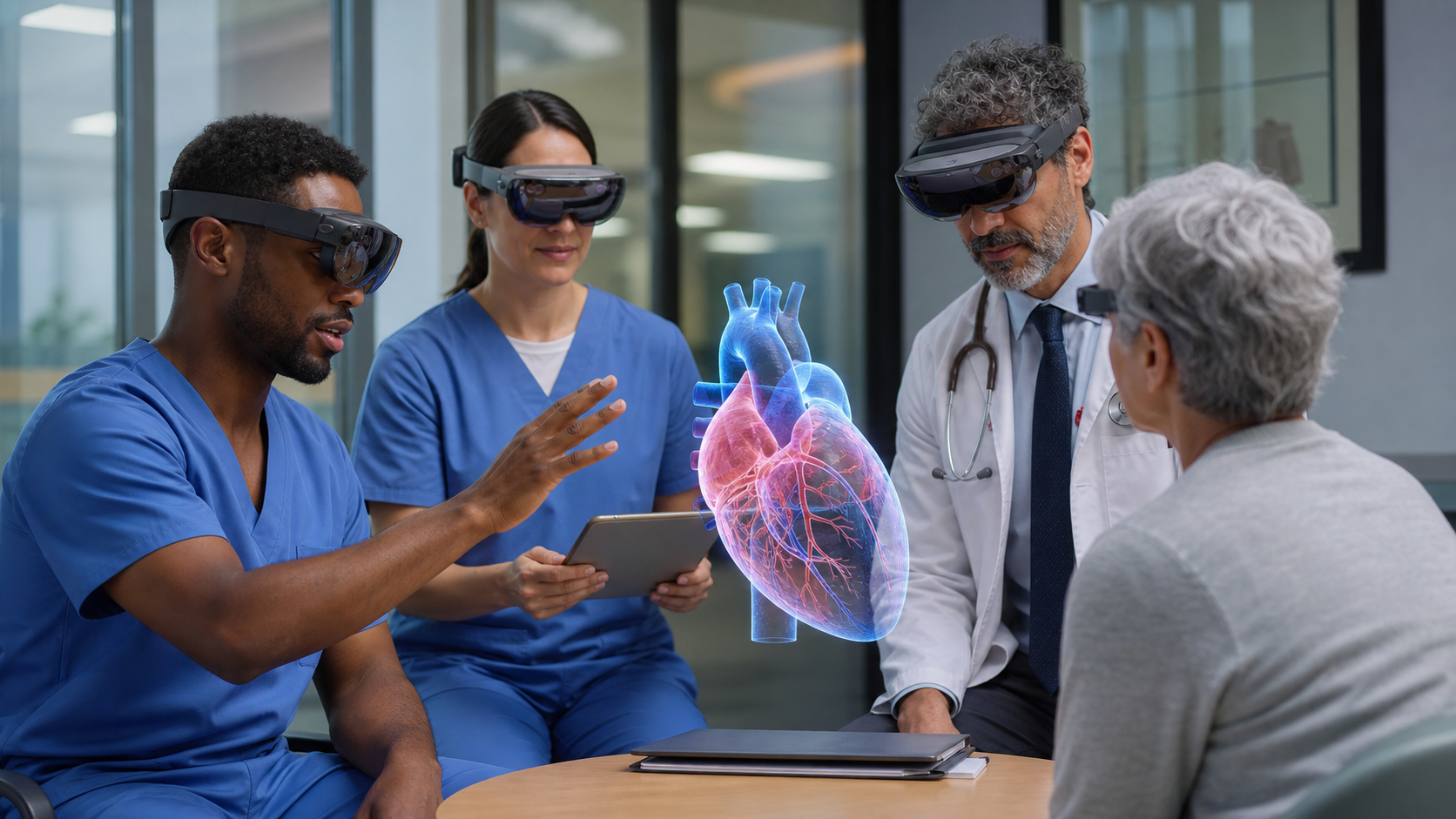
Patient education is no longer limited to brochures, portal messages, and short conversations at the end of an appointment. Healthcare teams now need to explain procedures, care plans, recovery expectations, and technology-enabled services in ways that patients can actually understand, remember, and trust.
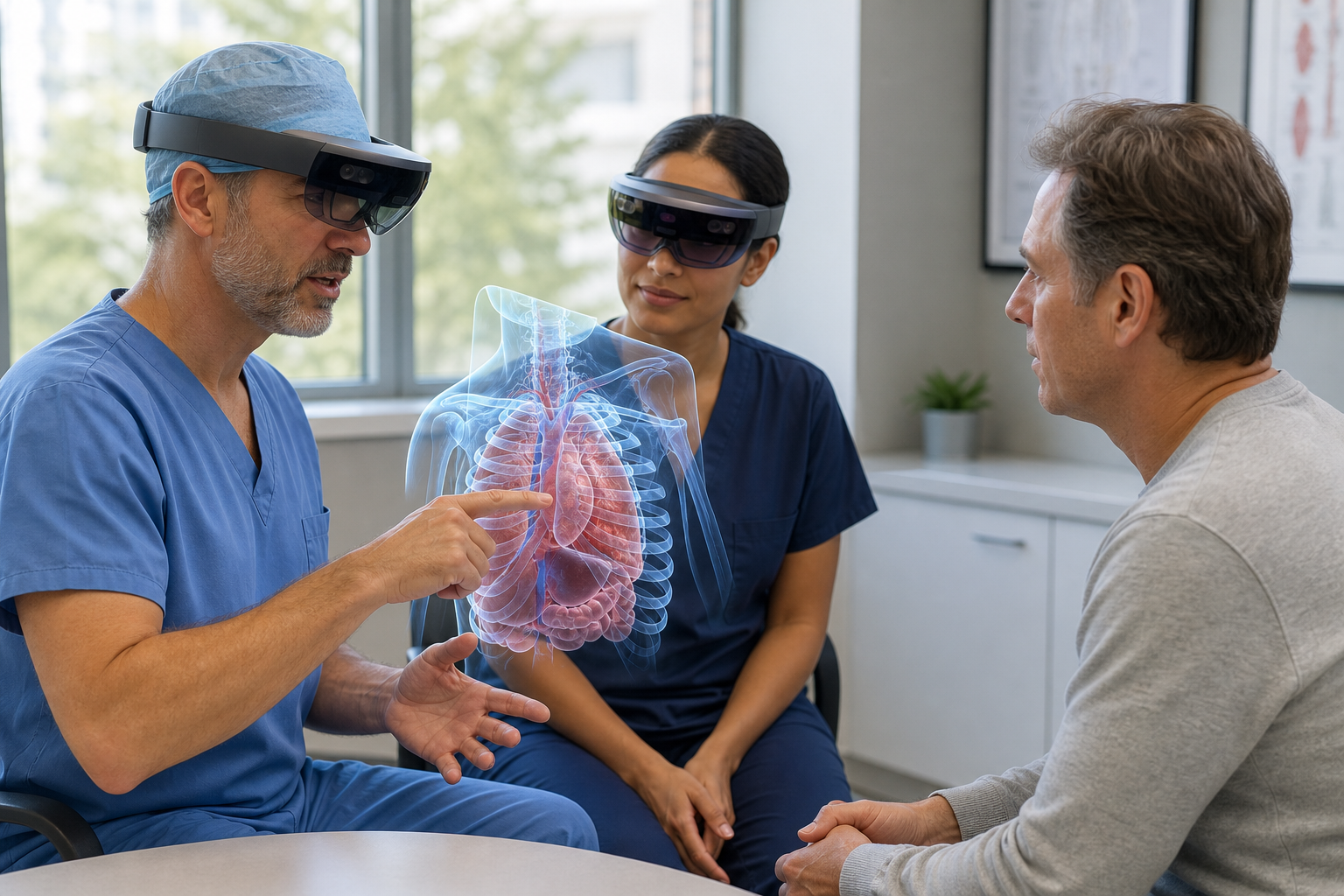
That is where immersive patient education becomes useful. XR environments can show a body system, treatment pathway, surgical step, rehabilitation routine, or remote-care workflow in context. AI avatars can guide the explanation with consistent, approved language while keeping the care team in control.
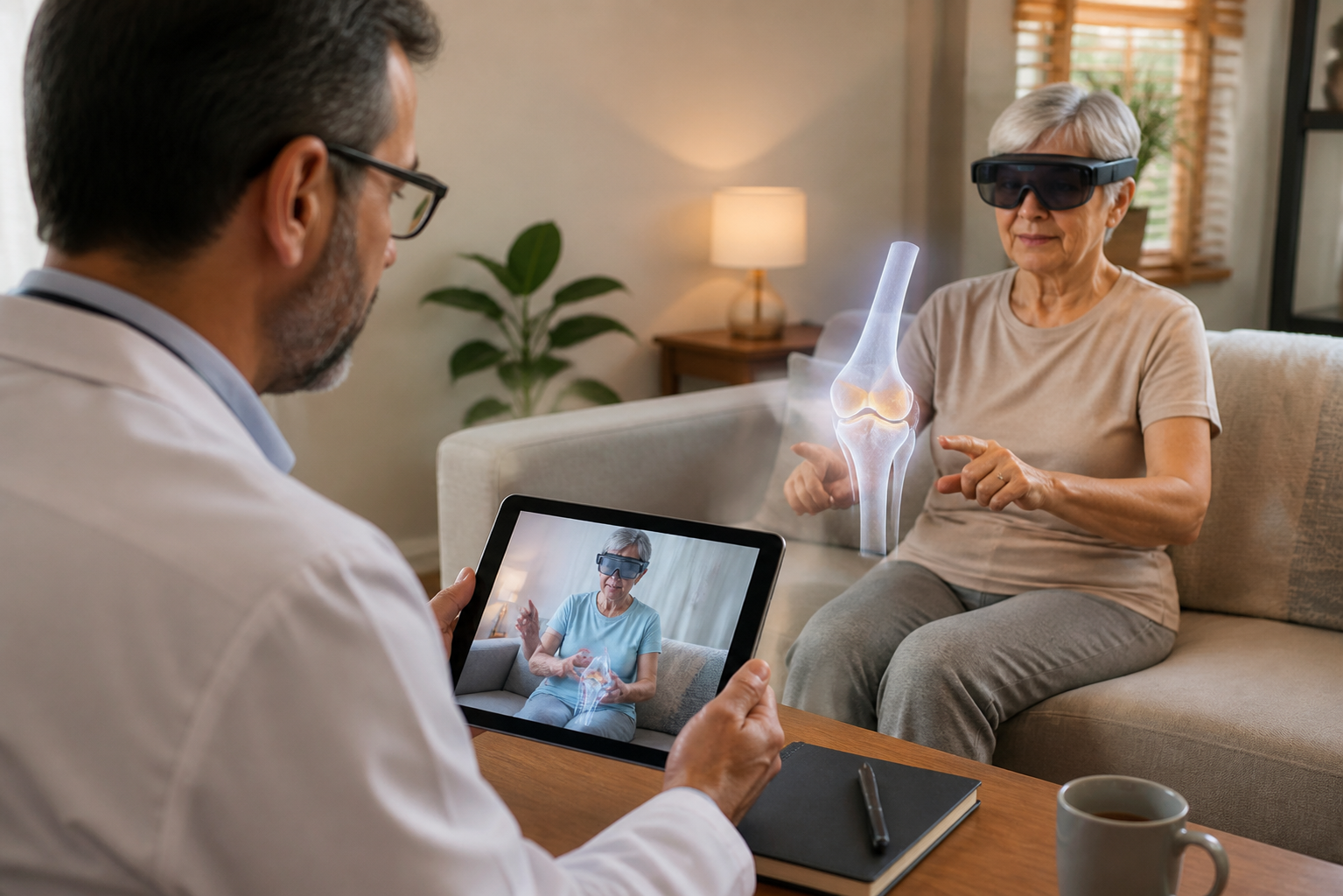
For Mimic Health XR, this topic connects naturally with patient education and engagement, AI avatars, healthcare simulations, and remote consultation workflows. The goal is not to replace clinicians. The goal is to make complex care easier to understand before, during, and after a clinical encounter.
Table of Contents
What immersive patient education means
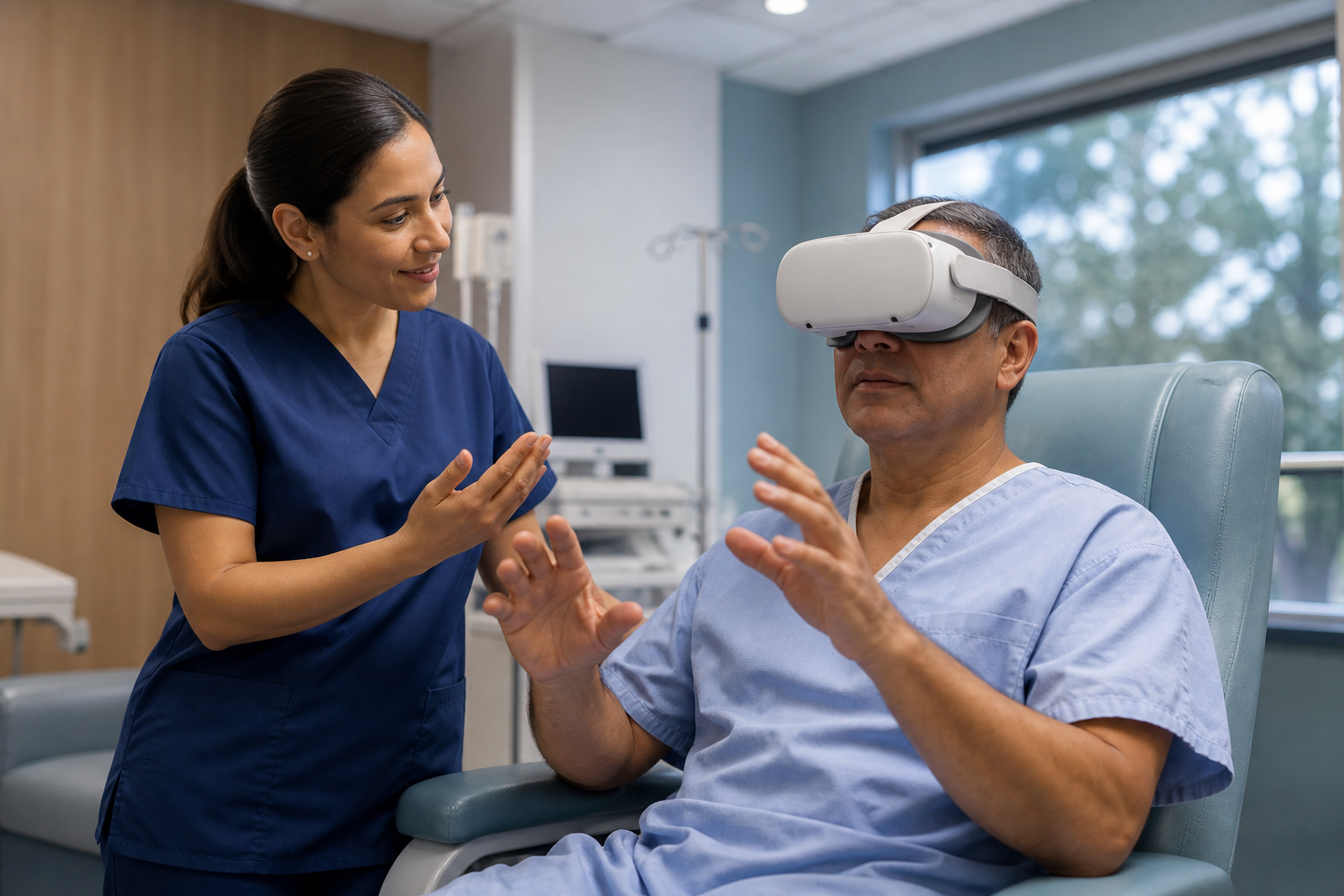
Immersive patient education is the use of VR, AR, mixed reality, 3D simulations, guided avatars, and interactive environments to help patients understand a medical topic through experience rather than passive reading. A patient can see how a procedure works, practice a recovery routine, explore an anatomy model, or walk through a care journey before the real event happens.
The strongest programs are focused. They do not try to turn every health question into a virtual world. They choose the moments where spatial understanding, repetition, reassurance, or multilingual explanation can reduce confusion. This can include a surgical-prep walkthrough, a medication-device demonstration, a rehabilitation routine, or a telehealth onboarding flow.
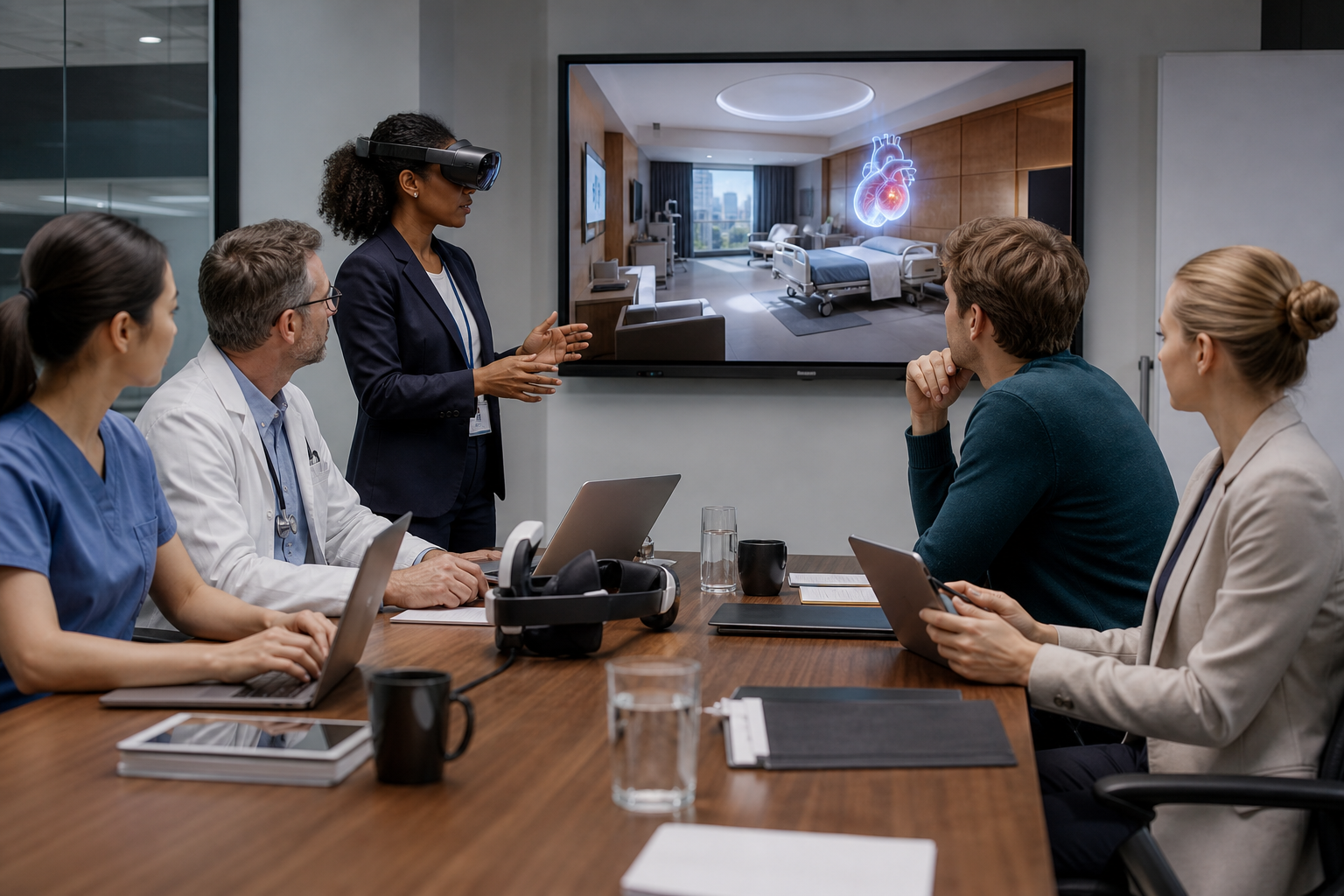
Mimic Health XR's broader healthcare XR applications already show how patient engagement, medical training, rehabilitation, telehealth, hospital safety, and MedTech visualization can use immersive technology differently. Patient education is the layer that turns those experiences into clearer communication for real people.
Why informed consent is ready for XR
Informed consent depends on understanding, not just documentation. A patient may sign a form after a rushed conversation, but still struggle to explain what will happen, what choices exist, what risks matter, and what recovery may involve. XR can support the conversation by showing the process in a careful, reviewable way.