Mimic Health XR journal
AI avatars
Explore digital characters for healthcare communication, simulated patient encounters and guided learning. These articles explain how visual identity, voice, animation and dialogue fit together, and how to distinguish a scripted character from an AI-enabled interface. Start with the introductory guides if you are defining a role for an avatar; use the patient-engagement articles to explore the delivery context.
When preparing a project, identify the audience, approved information, languages and situations that require a human response. Specify who owns the script and who will maintain it. A realistic appearance does not establish clinical competence. Test the experience with intended users, including people who need captions, text alternatives or a different interaction method. Explore our AI avatar production services when you are ready to discuss a brief.
For a first prototype, choose a single conversation such as explaining how to find a department or introducing a training exercise. Prepare approved answers, an explicit out-of-scope response and a route to a staff member. Compare the avatar with a plain text or video version of the same information, using task completion and comprehension rather than appearance alone. Keep voice, subtitle and language versions under the same content approval process so later edits do not leave conflicting instructions in different channels.
 INSIGHTS
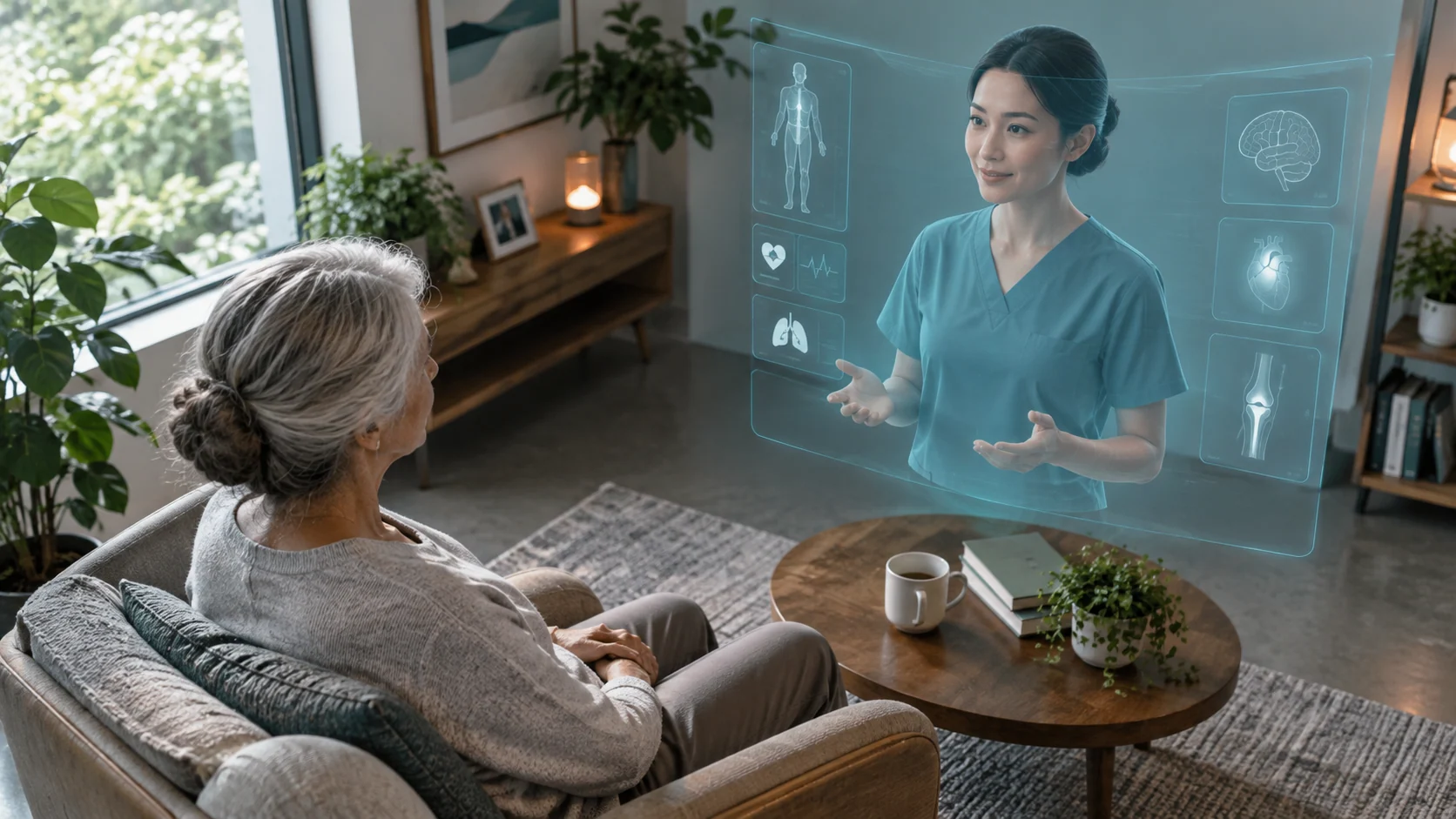
AI Patient Simulators: A Medical Educator’s Buying Guide
Evaluate an AI patient simulator with a demo scorecard, feedback checks, data questions and a focused pilot brief for medical educators and training teams.
Read article ↗ INSIGHTS
AI Avatars in Healthcare: Multimodal Patient Engagement
AI avatars in healthcare are moving from novelty to practical communication infrastructure. Hospitals, clinics, medical educators, and digital…
Read article ↗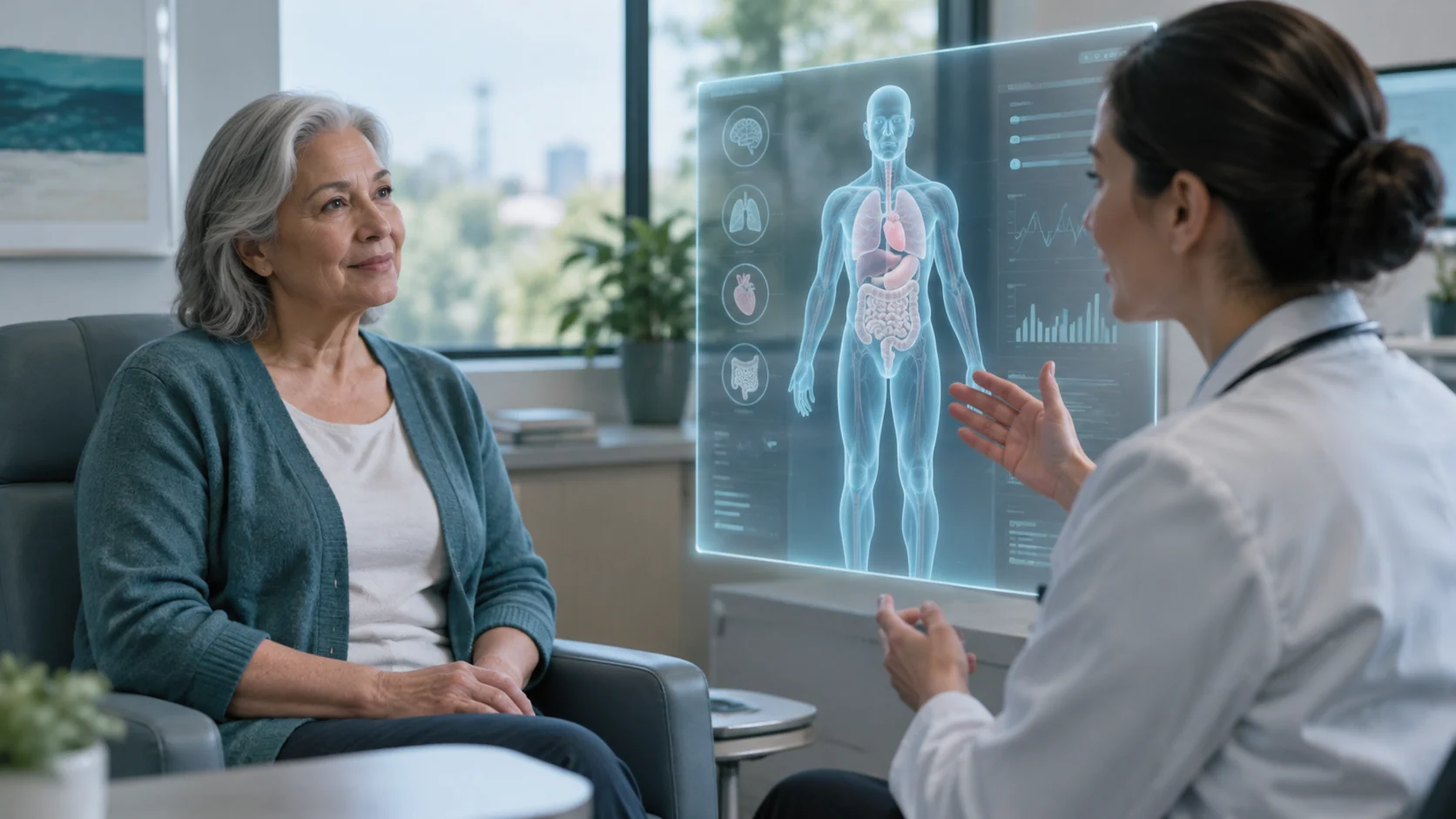 INSIGHTS
How Digital Twin Healthcare Improves Planning and Treatment
Digital twin technology is reshaping the future of healthcare by creating highly realistic, data-driven virtual replicas of patients, organs…
Read article ↗ INSIGHTS
How Hospitals Use an AI Medical Assistant for Daily Workflows
AI medical assistants are transforming how hospitals operate—making clinical workflows faster, smarter, and more patient-centered. These…
Read article ↗ INSIGHTS
Medication Adherence Technology with AI Avatars and XR
Medication adherence is one of healthcare's most practical patient-support problems. A care plan may be clinically sound, but patients still…
Read article ↗ INSIGHTS
Unlocking the Potential of AI Avatars in Healthcare
Healthcare today faces unprecedented challenges. Rising patient volumes, complex medical conditions, and the demand for personalized care…
Read article ↗ INSIGHTS
VR Training for Nurses: Safer Clinical Simulation
Can VR training for nurses make clinical simulation more realistic, repeatable, and safe?
Read article ↗ INSIGHTS
What a Virtual Health Assistant Can Do for Clinics and Hospitals
Virtual health assistants (VHAs) are rapidly becoming one of the most transformative digital tools in modern healthcare. As clinics and…
Read article ↗