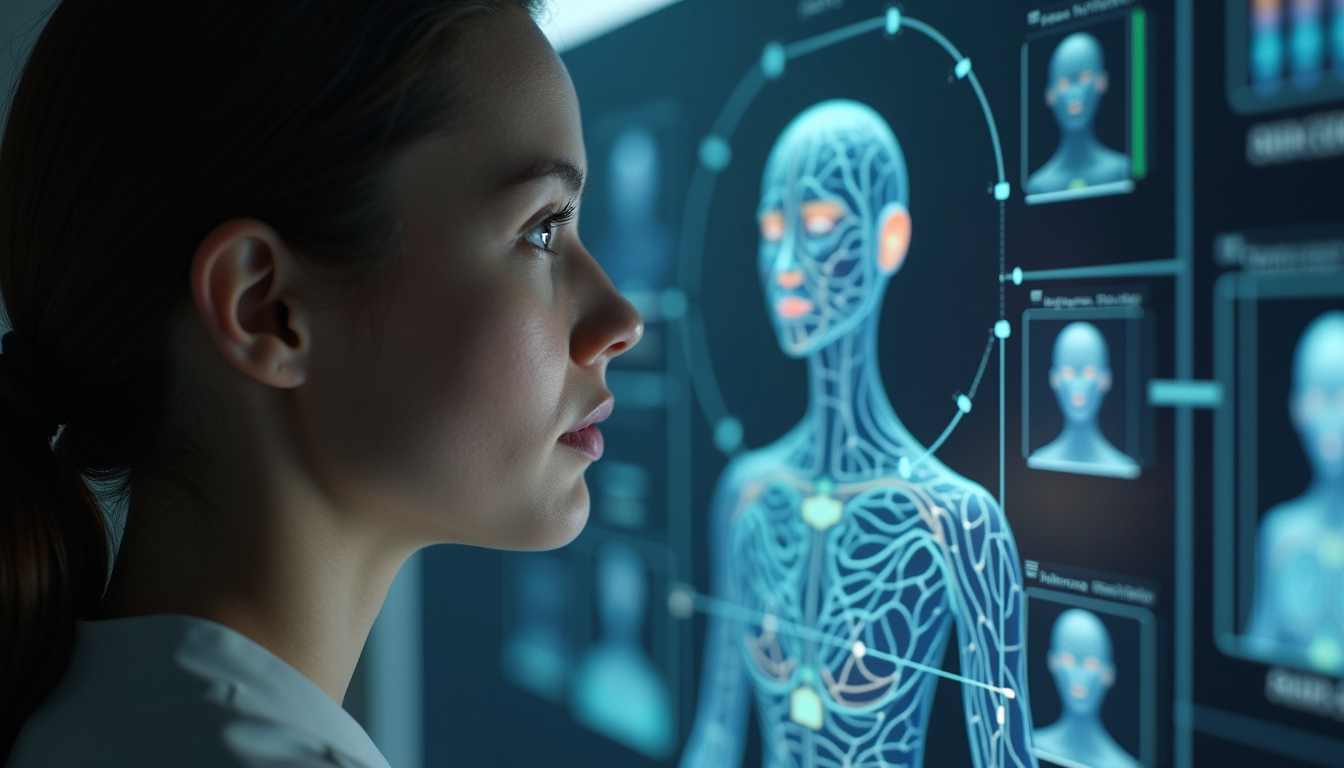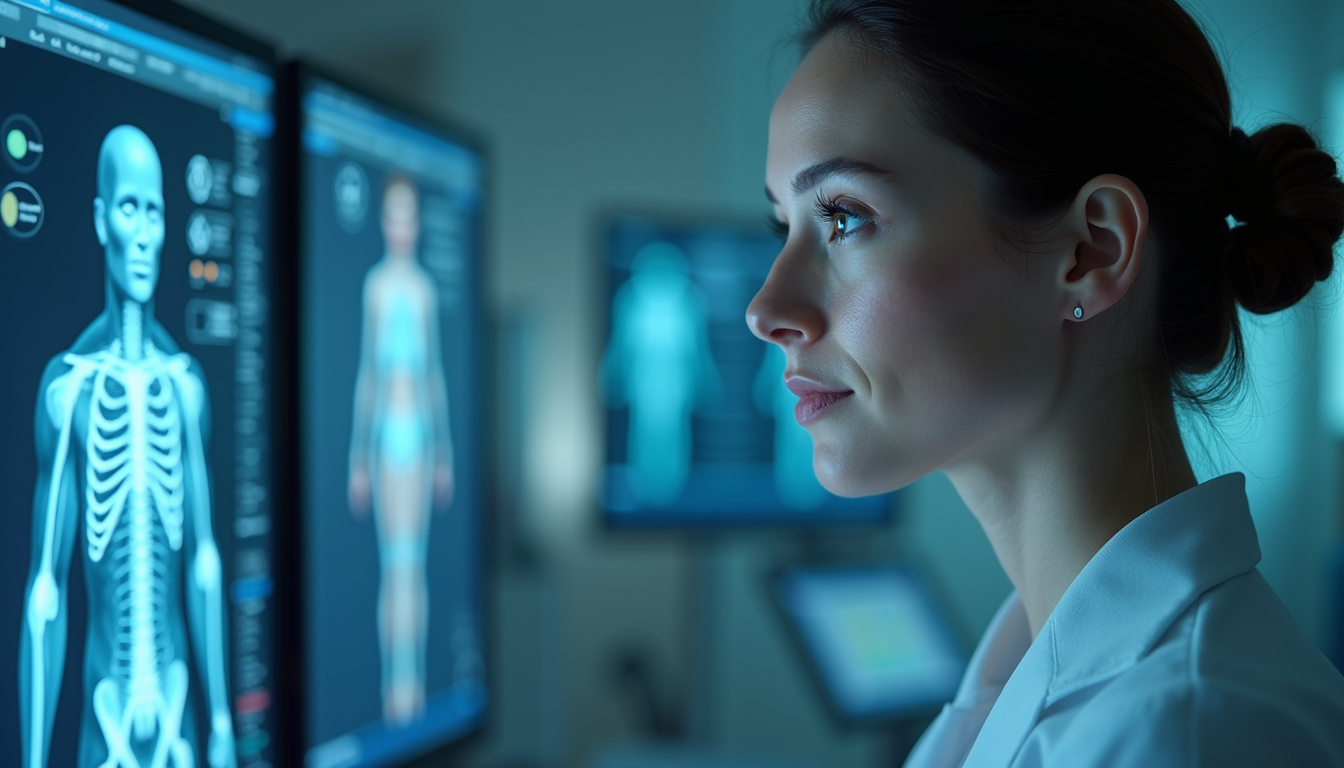
Healthcare today faces unprecedented challenges. Rising patient volumes, complex medical conditions, and the demand for personalized care require innovative solutions. Among the most promising advancements is the integration of AI-driven patient avatars. These digital representations, powered by artificial intelligence and immersive technologies, are transforming how healthcare providers train, diagnose, and treat patients. By bridging the gap between technology and human empathy, AI-driven patient avatars offer a new frontier in medical precision and compassionate care.
Understanding AI-Driven Patient Avatars: A New Era in Healthcare
AI-driven patient avatars are sophisticated digital models that simulate real patients’ physiological and psychological characteristics. These avatars use data from medical records, imaging, and biometric sensors to create a dynamic, interactive representation of a patient’s health status. This technology enables healthcare professionals to visualize complex conditions, predict disease progression, and tailor treatments with unprecedented accuracy.
The relevance of AI-driven patient avatars lies in their ability to address critical healthcare challenges:
Personalized Medicine: Tailoring treatments to individual patient profiles.
Medical Training: Providing realistic, risk-free environments for clinicians to practice.
Patient Engagement: Enhancing communication and understanding through visual aids.
Remote Monitoring: Allowing continuous assessment without physical presence.
By integrating AI with extended reality (XR) and immersive technology, these avatars become interactive tools that enhance decision-making and patient outcomes.
How AI-Driven Patient Avatars Revolutionize Healthcare Delivery
The impact of AI-driven patient avatars extends across multiple facets of healthcare. Here’s how they are reshaping the landscape:
Enhanced Diagnostic Accuracy
AI-driven avatars analyze vast datasets, including genetic information, imaging, and clinical history, to simulate disease progression. This simulation helps clinicians identify subtle patterns and early warning signs that might be missed in traditional assessments. For example, avatars can model tumor growth or cardiovascular changes, enabling earlier interventions.
Immersive Medical Training
Medical professionals benefit from realistic, interactive simulations that mimic patient responses. These avatars provide a safe space to practice complex procedures, refine diagnostic skills, and improve bedside manner. This hands-on experience reduces errors and builds confidence before real-world application.