Mimic Health XR journal
Patient care & rehabilitation
Explore immersive content and digital interfaces in patient education and rehabilitation contexts. The articles below discuss possible experience formats, communication needs and practical planning questions. This material is written for project teams exploring content and interaction; it does not replace an individual care plan or professional assessment.
Begin with the person's task and the environment in which the experience will be used. Consider comfort, accessibility, supervision and an alternative for people who cannot use a headset or motion-based interface. Define what information is collected, who can review it and how the experience fits an existing service. Any claim about treatment benefit needs evidence for the particular intervention and audience. See our application overview to discuss a production brief with the appropriate subject experts.
For a rehabilitation concept, the treating team's approved plan should define the task and progression. The production brief can then specify how instructions are presented, how a participant pauses or requests help, and what information is recorded. Test readability, movement requirements and equipment comfort with the intended users under appropriate supervision. Do not infer therapeutic benefit from engagement alone. Decide in advance who reviews feedback, how unsuitable exercises are prevented and how the experience fits around existing care rather than replacing clinical judgment.
 INSIGHTS
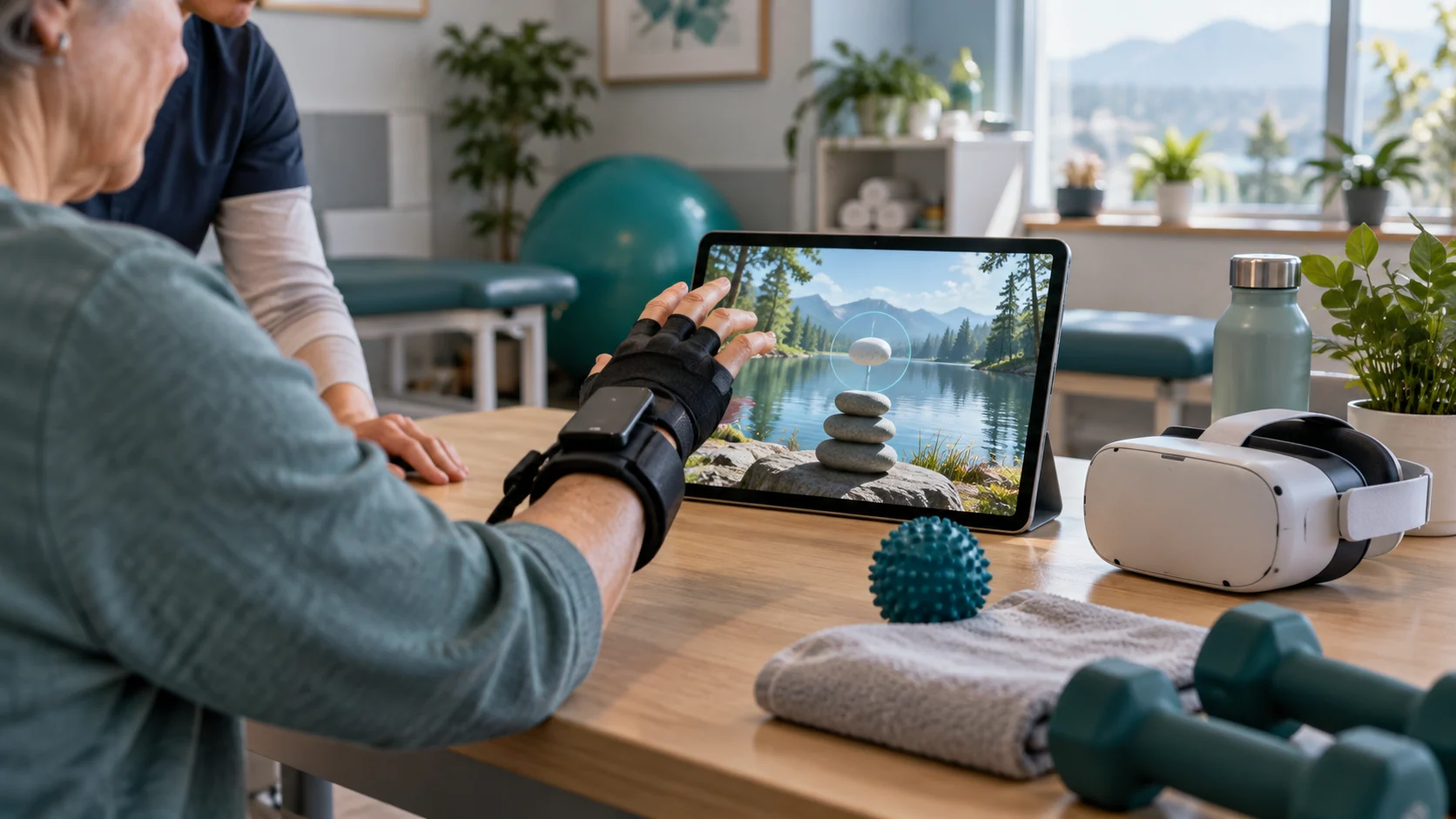
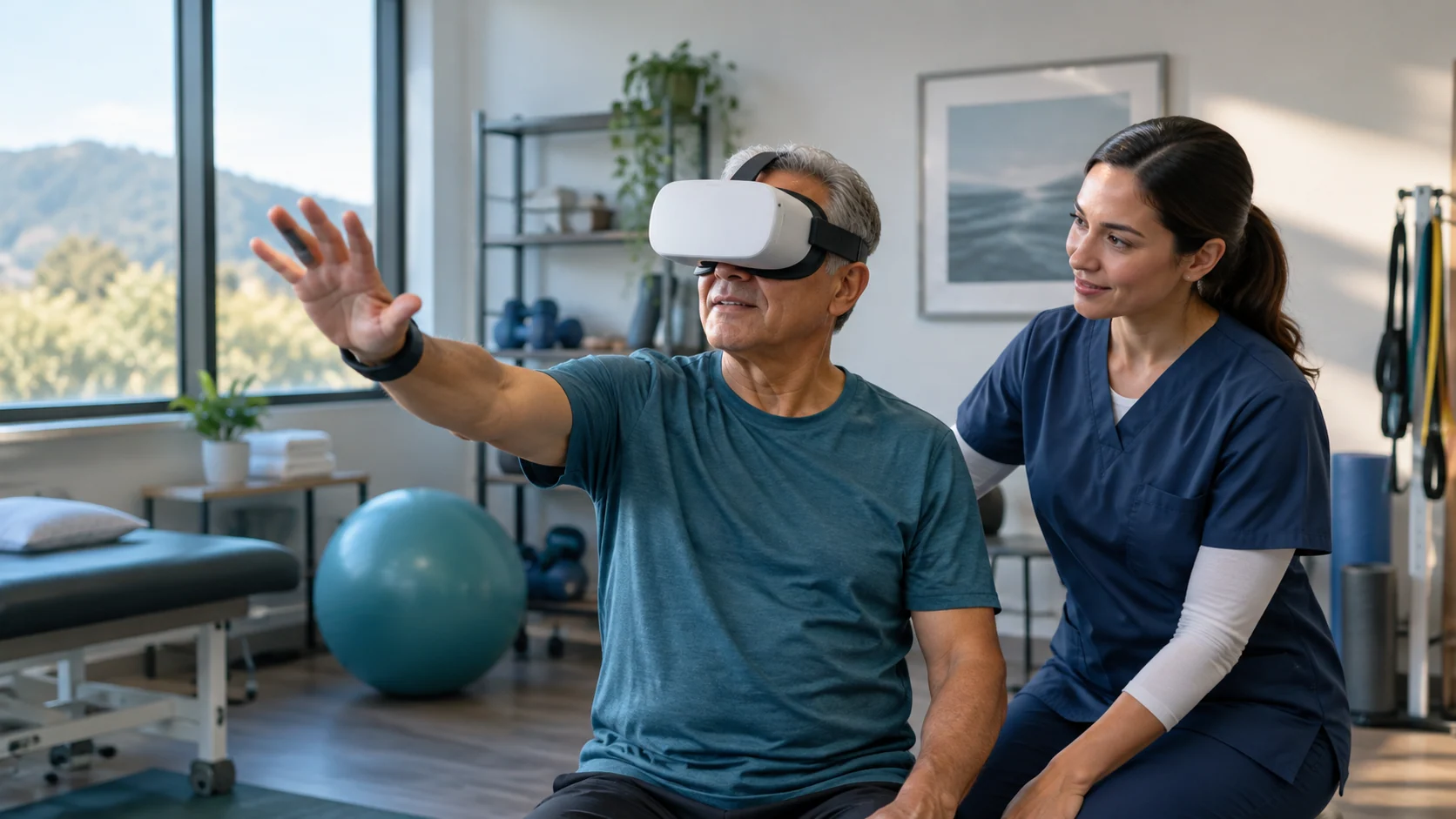
Digital Therapeutics Inside XR Platforms and the Future of Immersive Patient Care
Digital therapeutics (DTx) have rapidly become one of the most promising areas of digital health, offering clinically validated, software-driven…
Read article ↗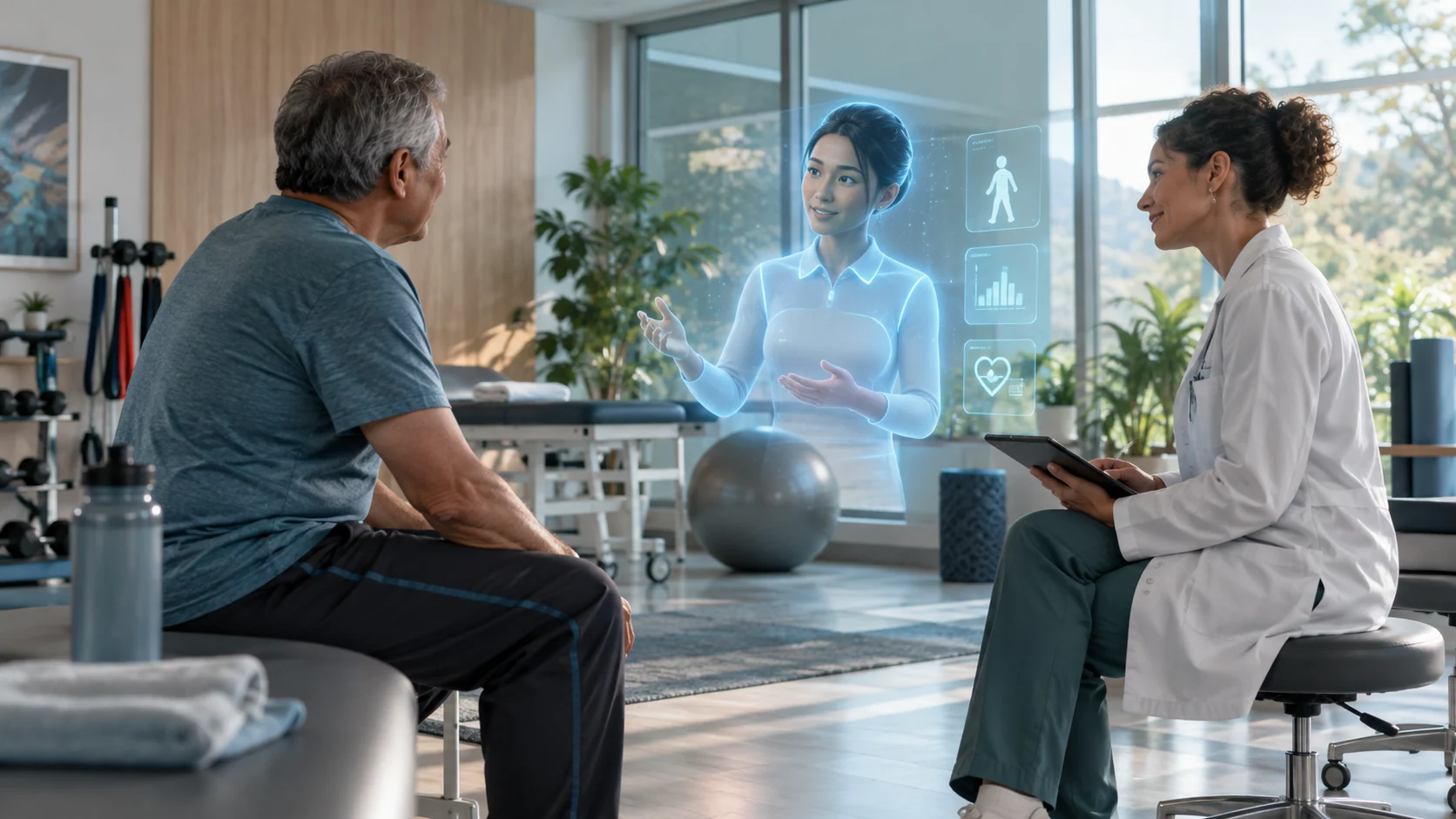 INSIGHTS
How AI in Healthcare Is Improving Patient Support
AI is transforming nearly every corner of modern medicine, but one of the most profound impacts lies in patient support . From AI-driven medical…
Read article ↗ INSIGHTS
Immersive Patient Education with XR and AI Avatars
Patient education is no longer limited to brochures, portal messages, and short conversations at the end of an appointment. Healthcare teams now…
Read article ↗ INSIGHTS
Medication Adherence Technology with AI Avatars and XR
Medication adherence is one of healthcare's most practical patient-support problems. A care plan may be clinically sound, but patients still…
Read article ↗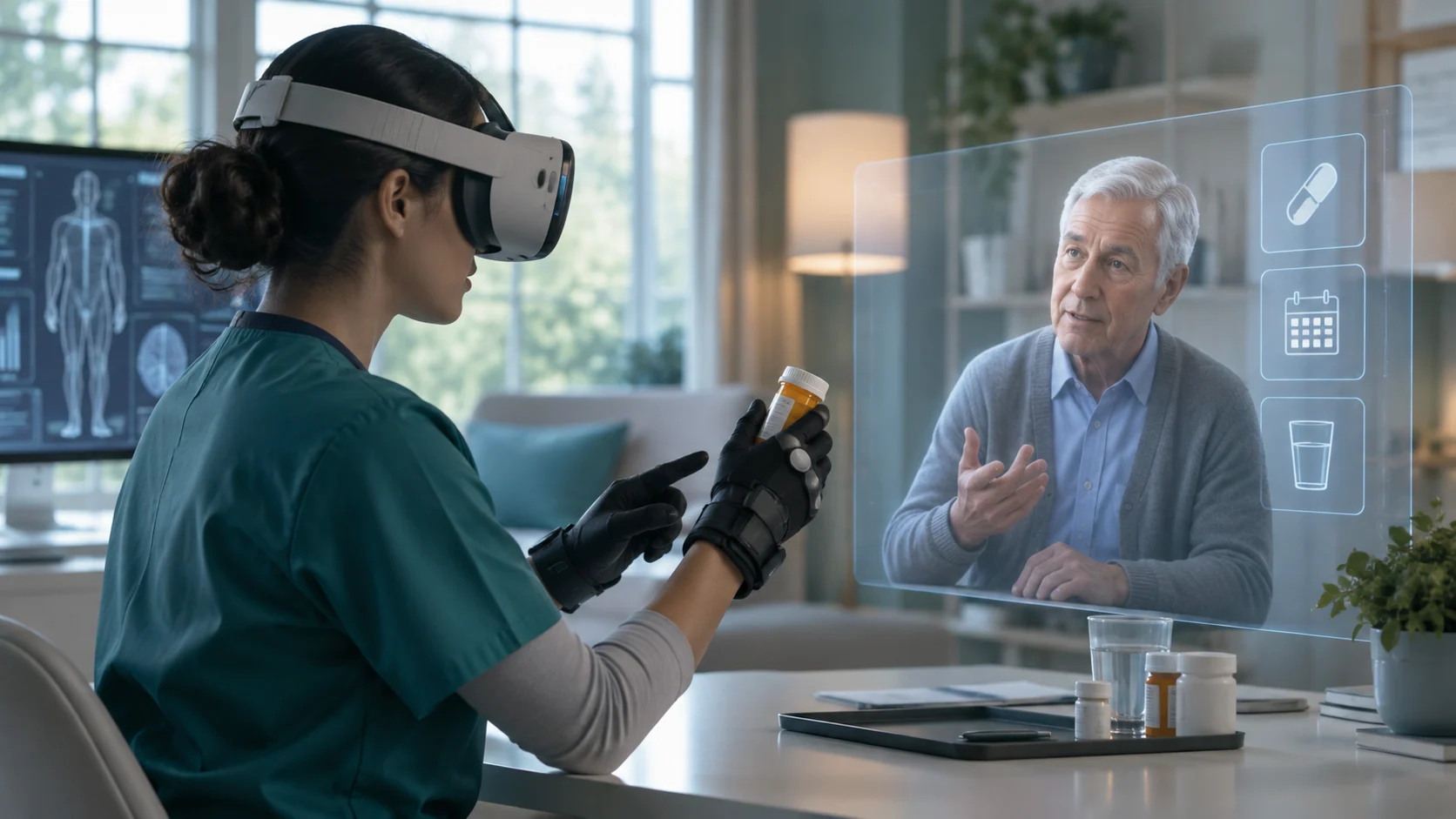 INSIGHTS
VR Medical Training Enhanced With Multisensory Feedback and Realistic Scenarios
Medical training is undergoing a profound transformation as VR technologies evolve from simple visual simulations into multisensory, deeply…
Read article ↗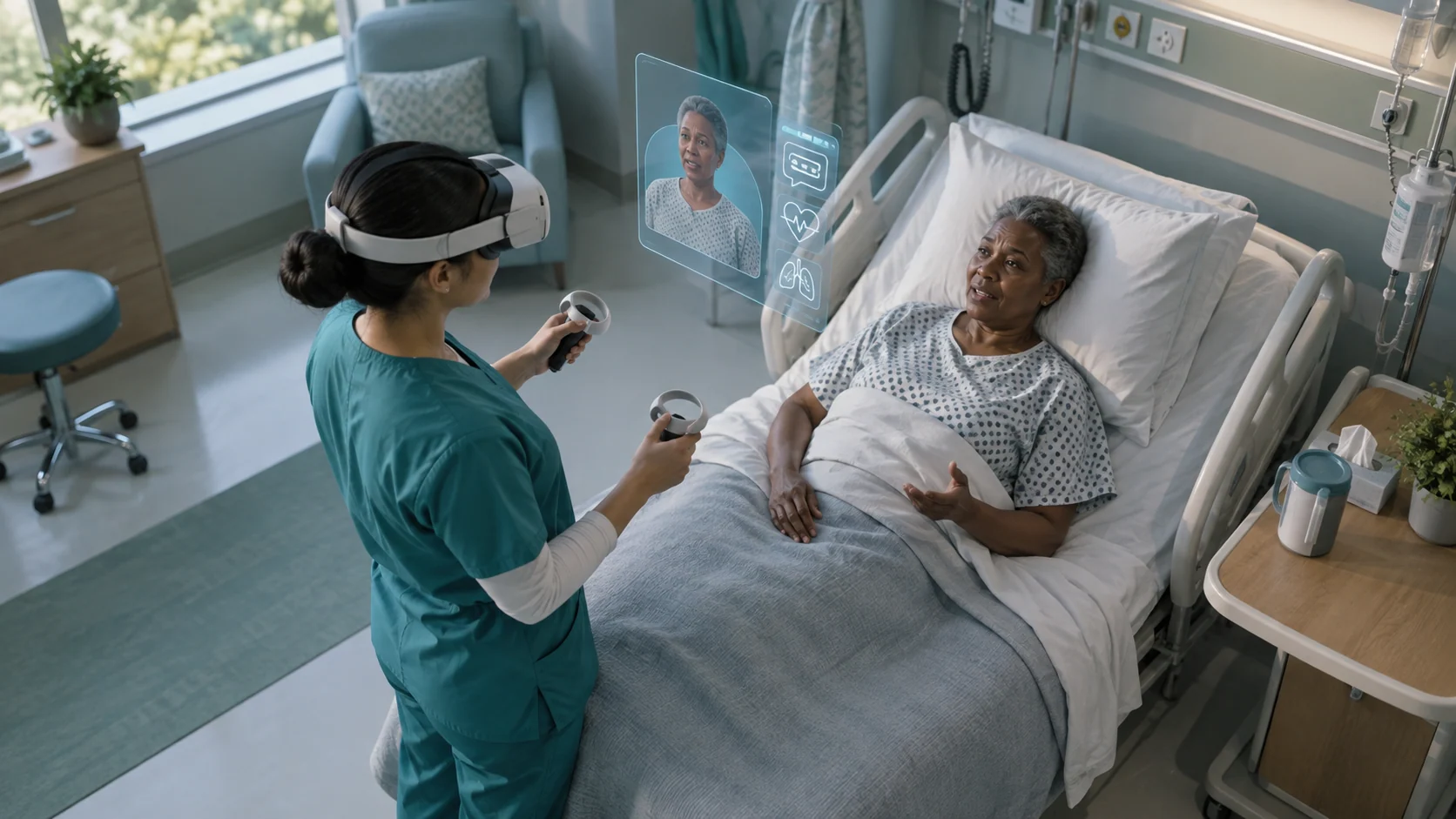 INSIGHTS
VR Training for Nurses: Safer Clinical Simulation
Can VR training for nurses make clinical simulation more realistic, repeatable, and safe?
Read article ↗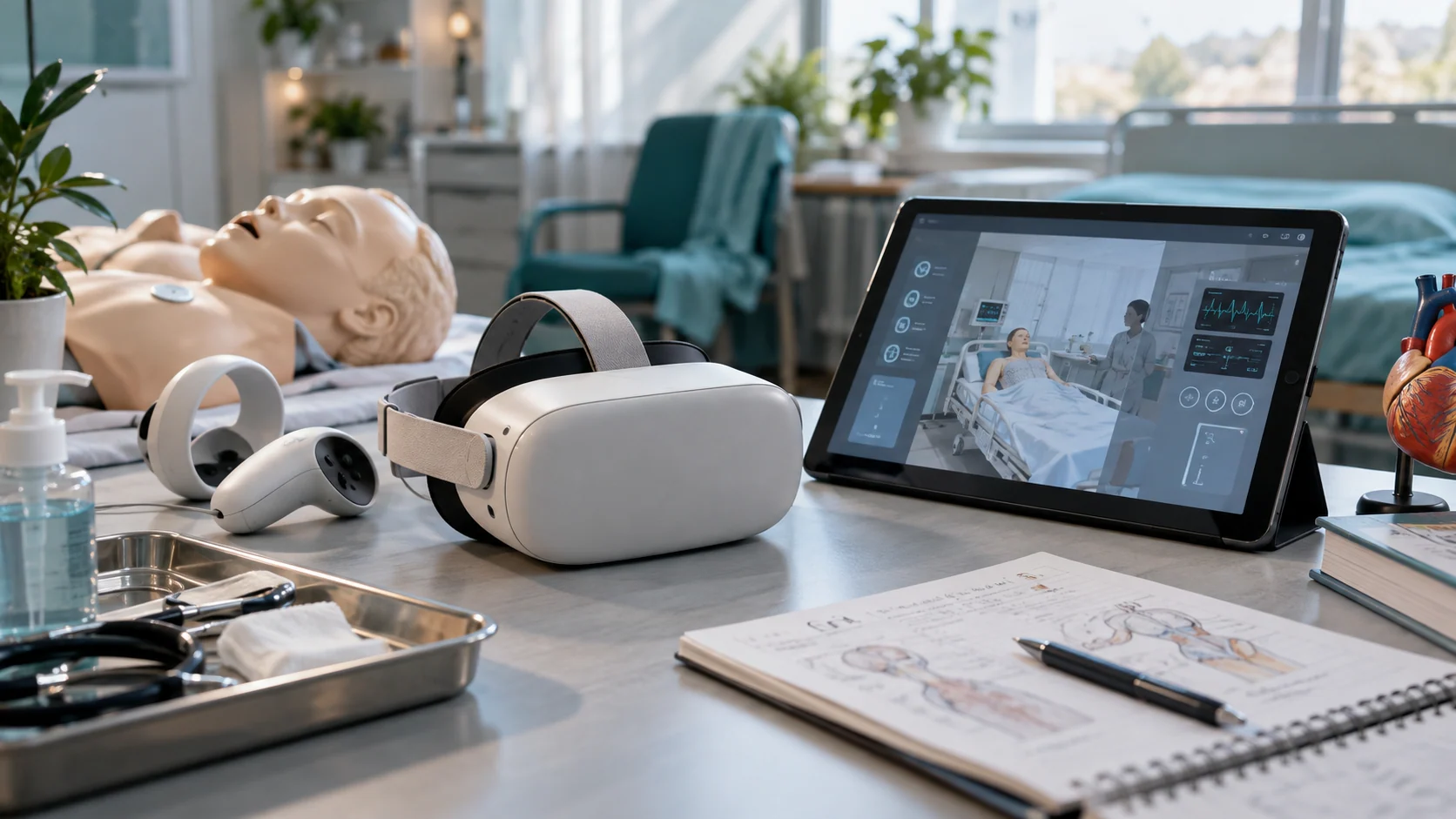 INSIGHTS
XR Rehabilitation Platforms: AI-Guided Recovery and Remote Care
Rehabilitation is becoming more connected, more measurable, and more patient-centered. Hospitals, therapy providers, digital health teams, and…
Read article ↗