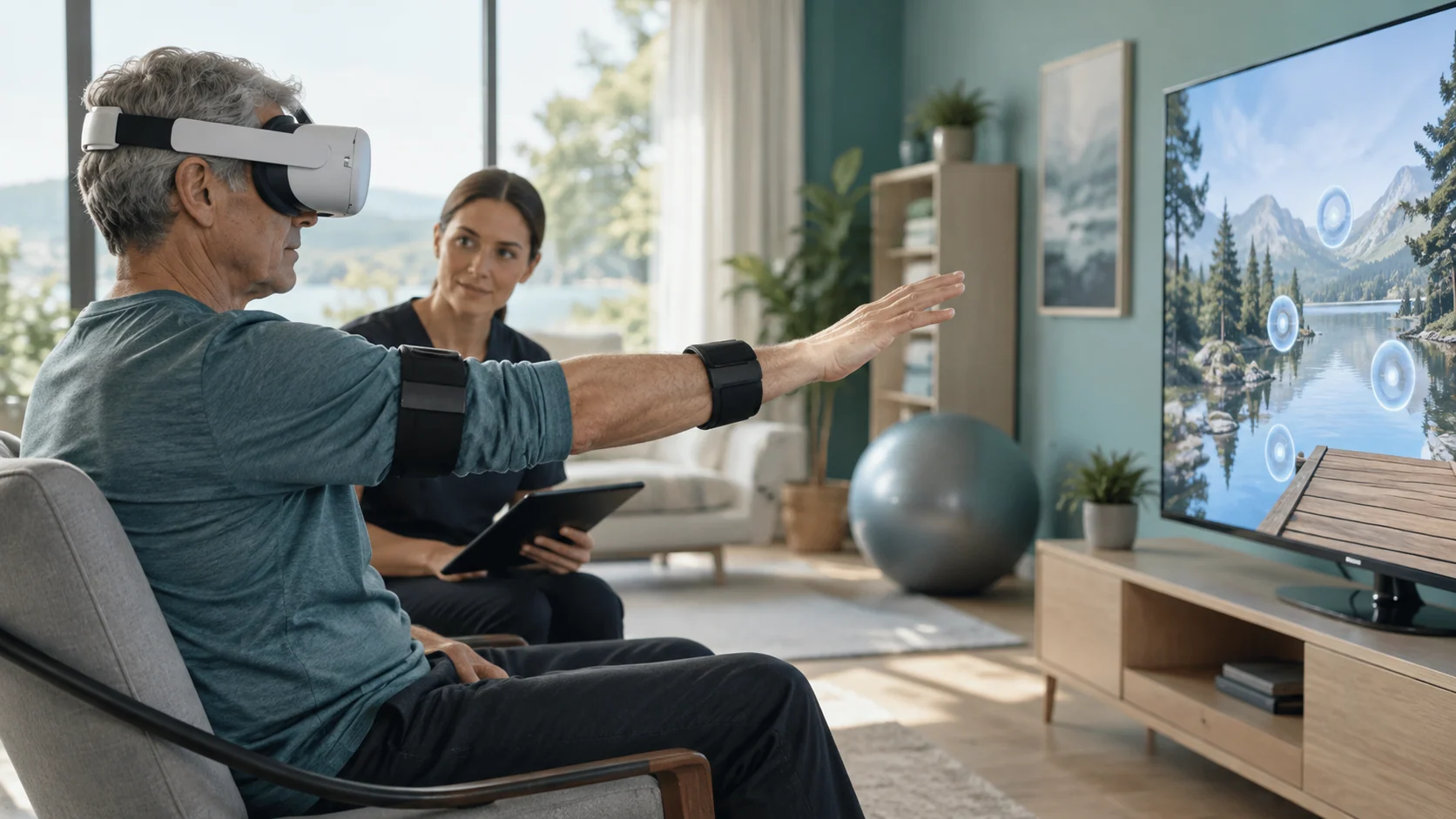
Rehabilitation is becoming more connected, more measurable, and more patient-centered. Hospitals, therapy providers, digital health teams, and medical device innovators are looking for ways to support recovery beyond the clinic without losing clinical oversight or trust.
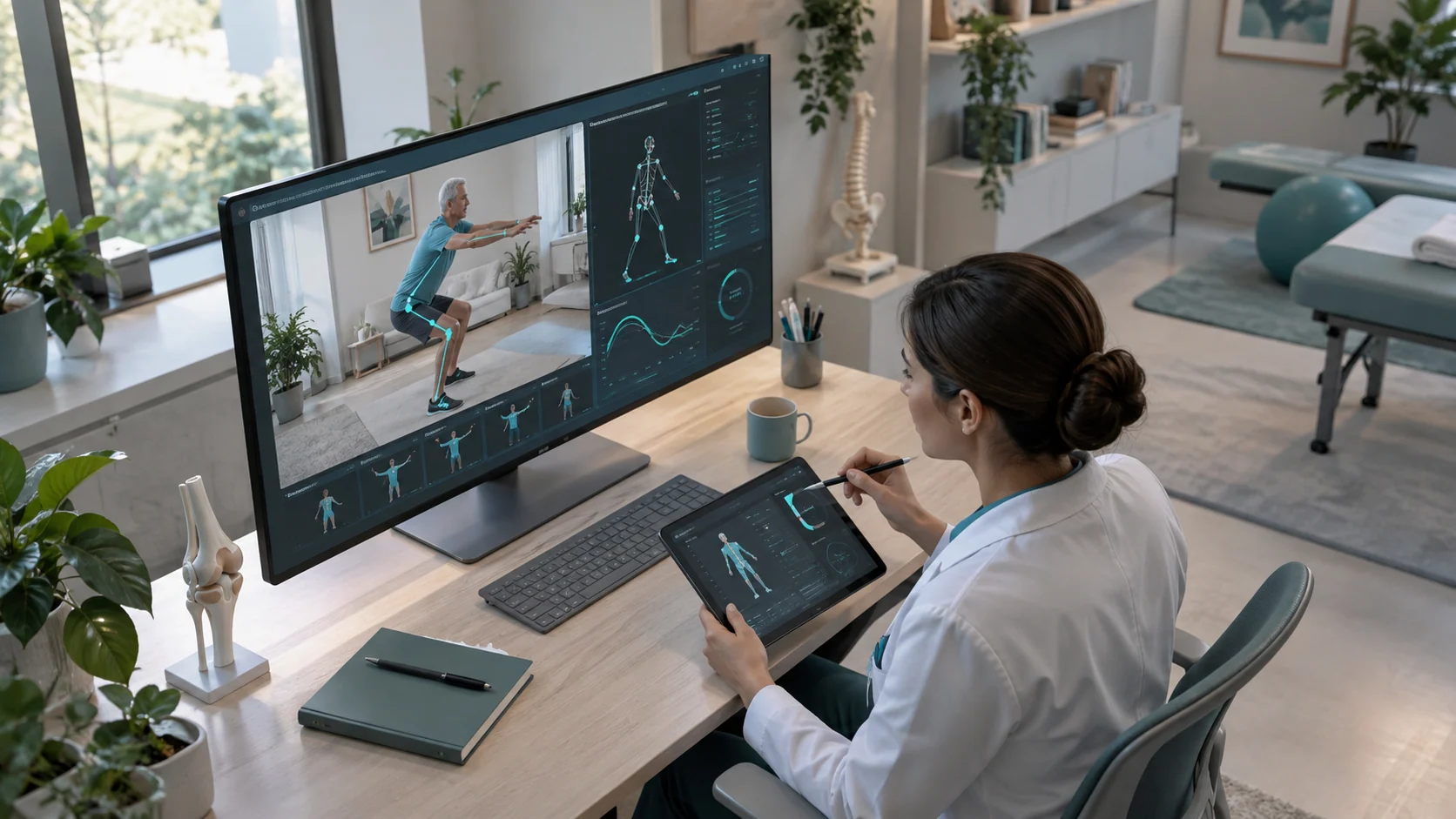
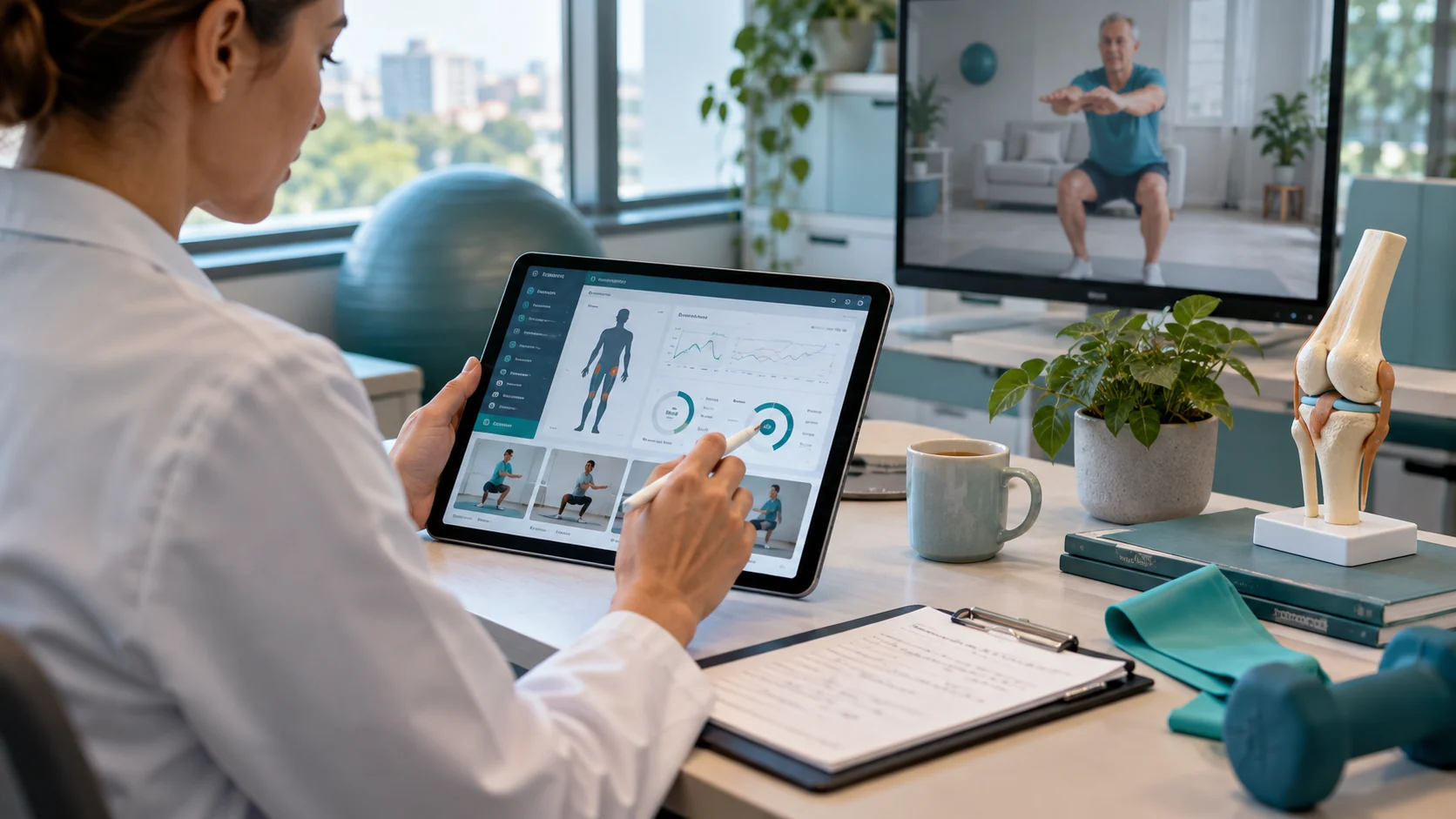
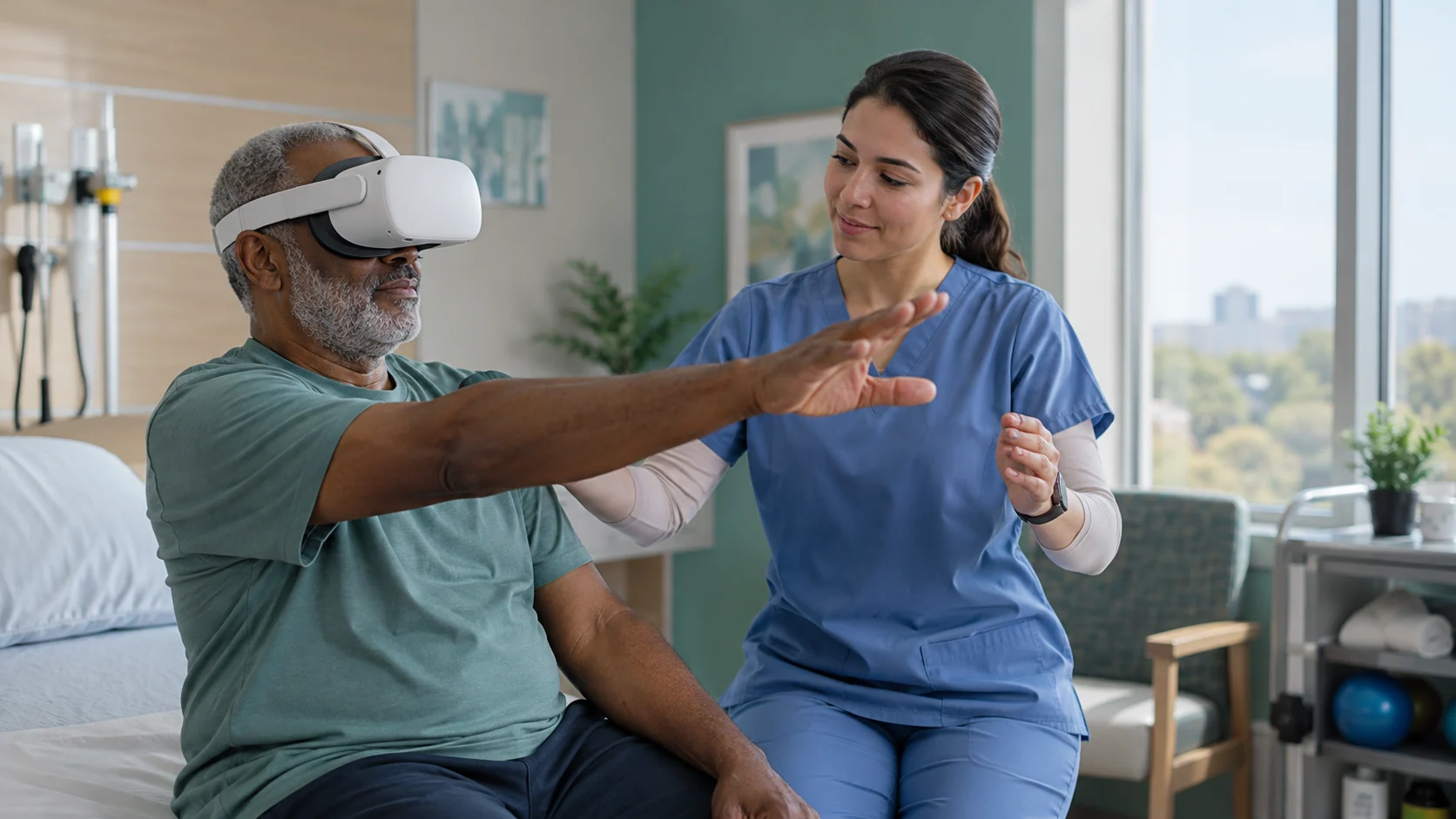
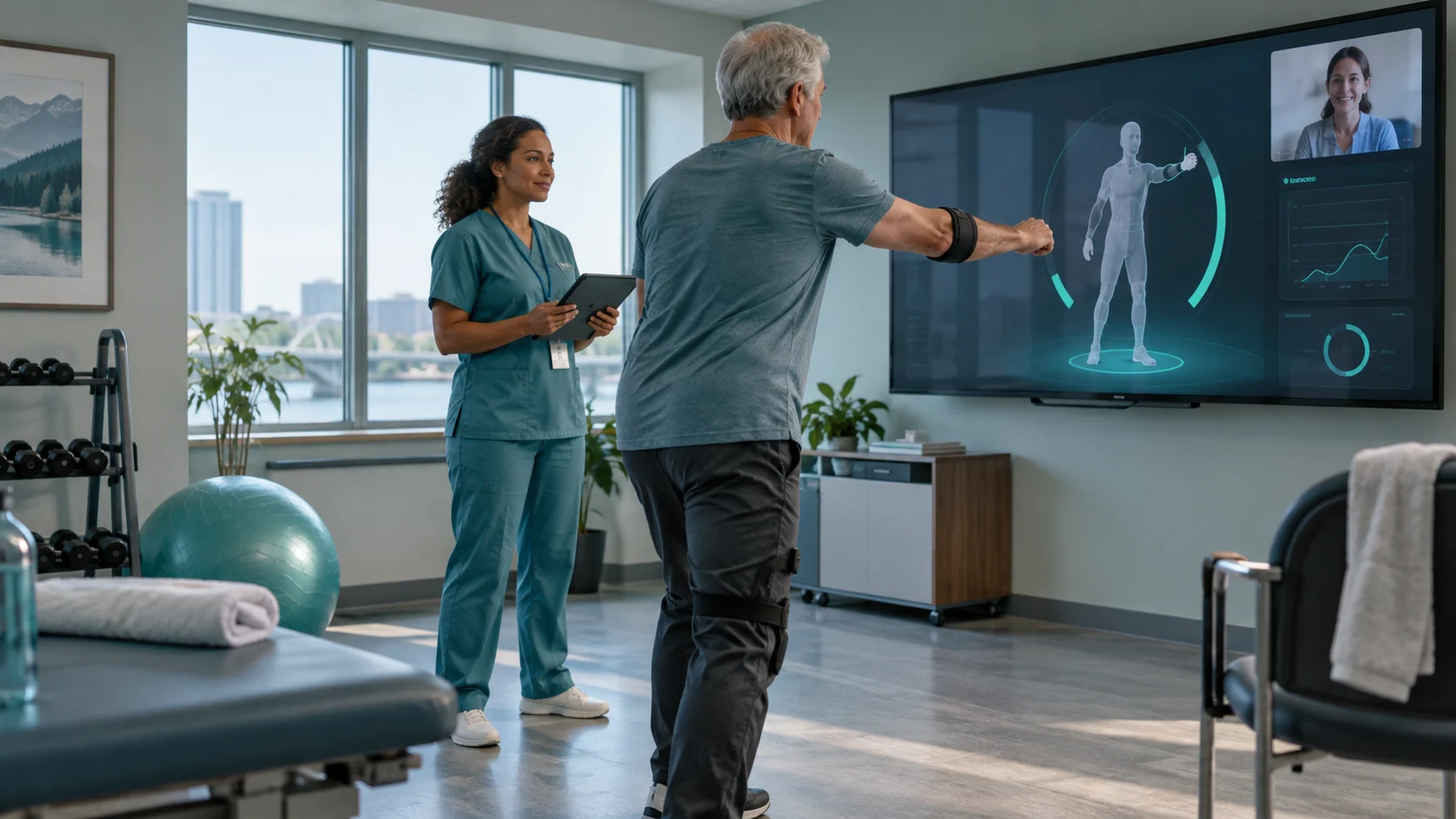
XR rehabilitation platforms make that possible by combining immersive exercises, spatial feedback, AI-guided coaching, and remote progress monitoring. Instead of relying only on printed home programs or occasional in-person sessions, care teams can create guided recovery environments that help patients practice safely, understand movement goals, and stay engaged between appointments.
For teams exploring Mimic Health XR applications, the opportunity is not to replace therapists or clinicians. The real value is a better support layer: more repeatable practice, clearer patient education, stronger data visibility, and a recovery experience that feels less isolated.
Table of Contents
What XR Rehabilitation Platforms Mean
An XR rehabilitation platform is a structured digital environment for recovery exercises, patient guidance, clinician review, and progress measurement. It may use virtual reality, augmented reality, mixed reality, body tracking, digital humans, gamified therapy tasks, or AI-assisted coaching, depending on the use case.
The important word is platform. A single VR activity can be useful, but a rehabilitation platform connects the activity to a care workflow: intake, baseline assessment, goal setting, guided sessions, remote follow-up, documentation, and escalation when a clinician needs to intervene.
This connects naturally with Mimic Health XR's work in AI-powered avatars and realistic XR simulations. Rehabilitation depends on clear instruction, repeatable practice, patient confidence, and believable interaction. XR gives the body a space to practice; avatars and AI can give the patient a clearer support experience.
Why Rehabilitation Is Ready for Immersive Care
Rehabilitation is often constrained by time, geography, motivation, and continuity. Patients may understand an exercise during a session but struggle to repeat it correctly at home. Clinicians may not see enough context between visits. Providers may know that adherence matters, but lack a practical way to keep patients engaged without adding more manual follow-up.