Digital health has entered a new era—one driven by immersive technologies, data-rich environments, and intelligent workflows that bring clinical expertise closer to patients than ever before. Hospitals are transitioning from traditional manual processes toward digitally augmented ecosystems that improve accuracy, expand capacity, and support both clinicians and patients through real-time insights and immersive care solutions.
At the center of this transformation is XR (Extended Reality), which blends virtual, augmented, and mixed reality technologies into everyday clinical workflows. XR enables immersive training, real-time guided procedures, intelligent decision support, and spatial patient care that reshapes how medical teams operate. Combined with AI, digital twins, remote collaboration tools, and advanced simulations, digital health is evolving into a flexible, interactive, and predictive system designed for both efficiency and human wellbeing.
This guide explores how digital health is evolving with XR-powered care, why intelligent workflows matter, and how immersive technologies will shape the future of healthcare delivery.
What Is Digital Health Today? A Modern Definition
Digital health refers to the combined use of technology, data, connectivity, and intelligent systems to improve how medical care is delivered. It includes:
telehealth & virtual consultations
digital diagnostics & analytics
wearable sensors and remote monitoring
AI-supported triage and decision making
XR-based training, planning, and visualization
digital twins for personalized treatment
app-based therapeutics and behavioral support
Digital health has evolved far beyond electronic health records and mobile health apps. Today, it represents a connected ecosystem of spatial tools, intelligent systems, real-time data processing, and immersive interactions that enhance every stage of care—from diagnosis and treatment to education and recovery.
How XR Is Powering the Next Wave of Digital Health?
XR is one of the most transformative components of digital health. It expands what clinicians can see, how patients learn, and how healthcare teams collaborate.
XR supports digital health by enabling:
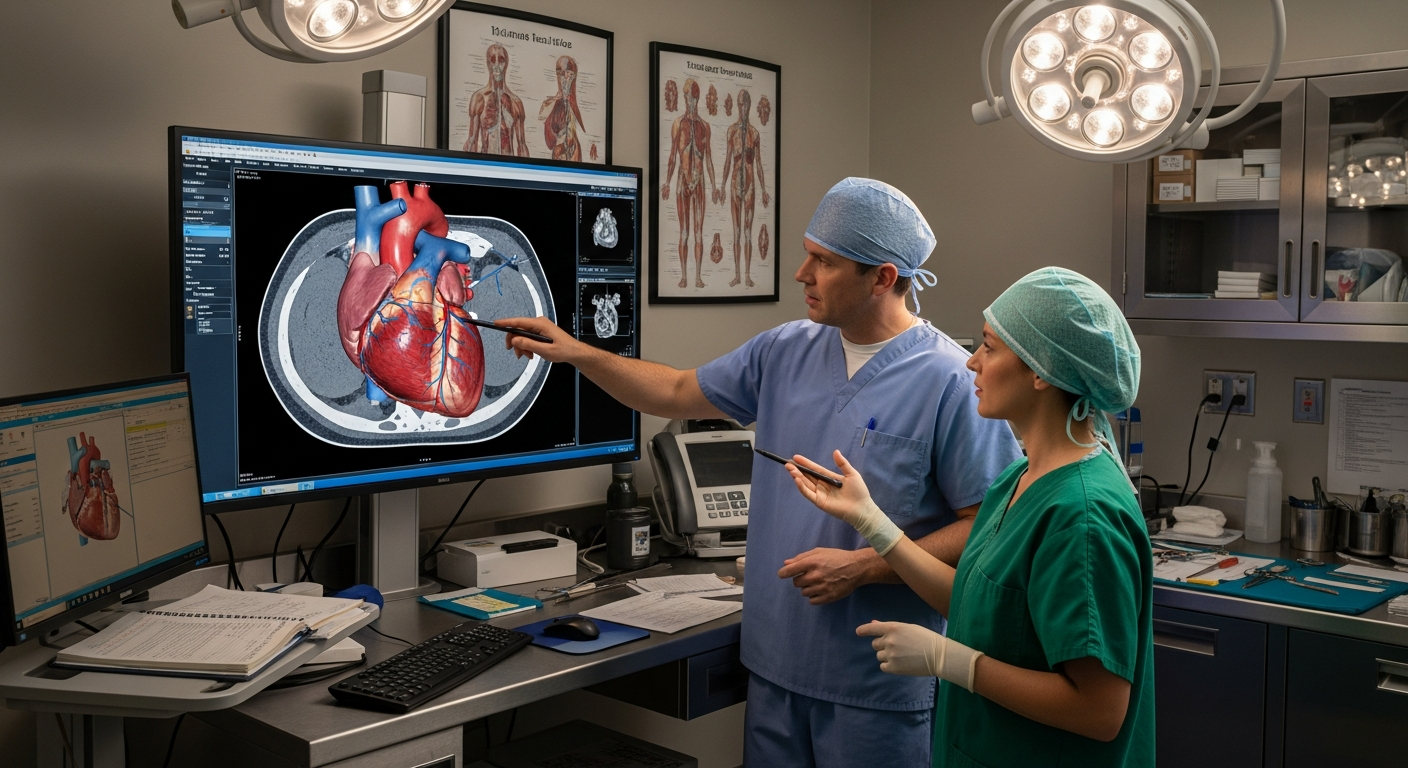
spatial visualization of complex anatomy
immersive, hands-on medical training
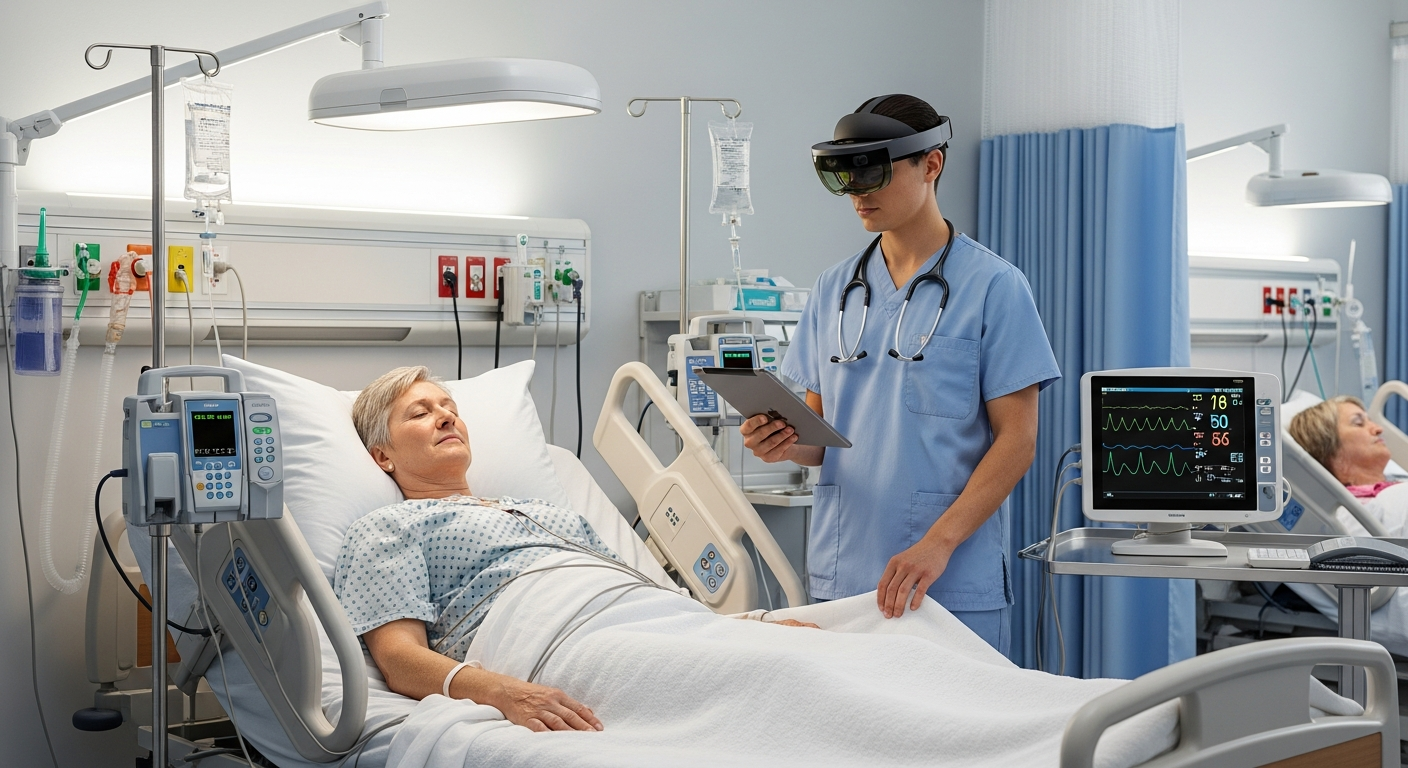
guided procedures with real-time overlays
remote collaboration in 3D environments
safer, repeatable practice for high-risk tasks
interactive patient education
Clinicians benefit from enhanced clarity, reduced cognitive load, and guidance that aligns with real-world workflows—benefits that mirror the potential of Transforming Healthcare with Virtual and Mixed Reality.
1. XR-Enhanced Medical Training and Skill Development
Traditional medical education often struggles with limited access to cadavers, time constraints, ethical considerations, and the unpredictability of real patient cases. XR solves these challenges by allowing trainees to explore, practice, and repeat procedures in lifelike digital environments.
How XR transforms training:
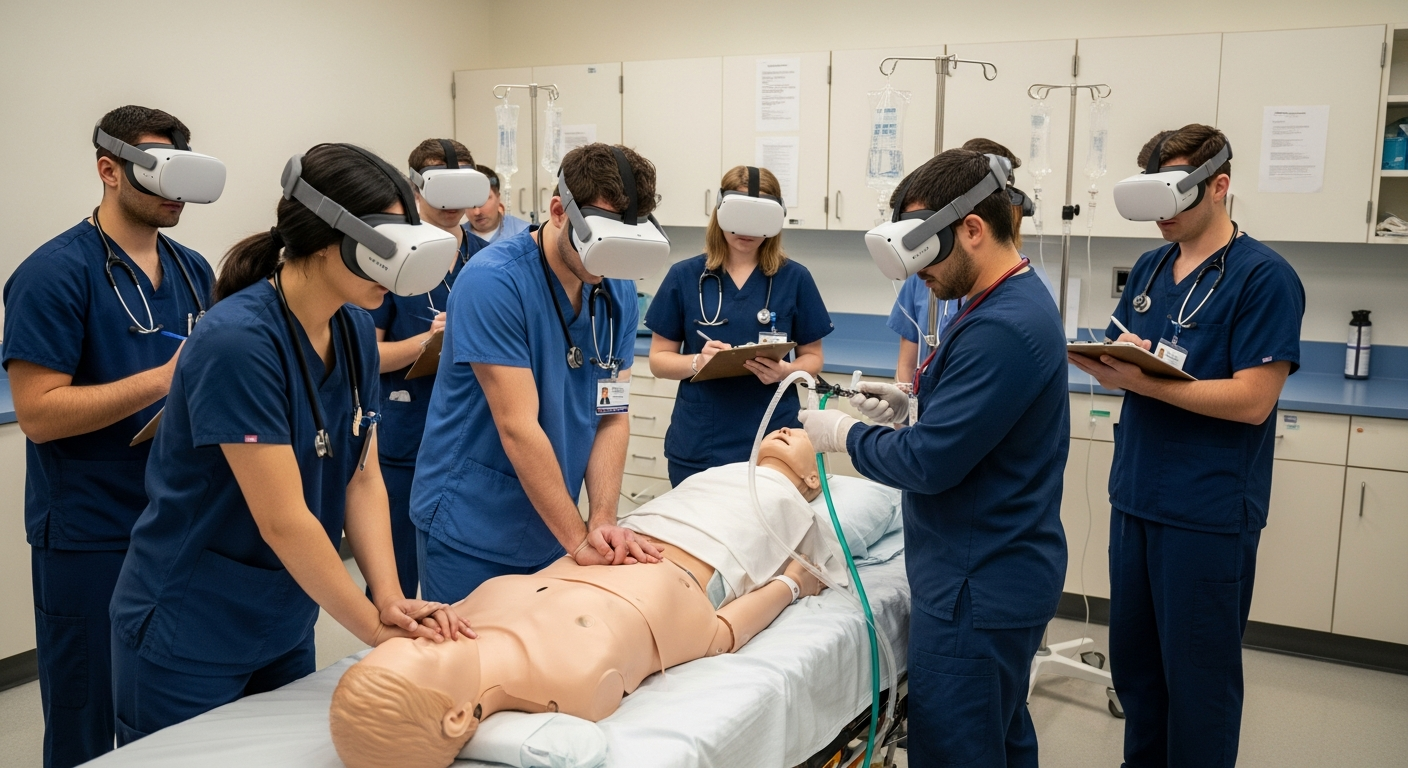
VR simulations allow students to step inside organs, procedures, and emergency scenarios.
MR overlays provide real-time guidance during practice on physical mannequins.
AR supports hands-on procedural learning with visual instructions in real space.
The shift toward immersive training reflects the same principles used in VR medical training methods, reshaping education, where realistic simulation builds confidence and clinical readiness.
Benefits for learners:
repeat practice without risk
deeper understanding through 3D interaction
improved retention and procedural accuracy
exposure to rare or complex cases
Immersive training is becoming essential across nursing, surgery, emergency medicine, and technical healthcare education.