Overview
AI is transforming nearly every corner of modern medicine, but one of the most profound impacts lies in patient support. From AI-driven medical assistants to predictive analytics, intelligent triage, virtual health agents, and personalized treatment pathways, AI in healthcare is opening an entirely new era of accessible, continuous, and high-quality patient care.
Today’s patients expect more than episodic doctor visits—they expect real-time engagement, tailored information, and support that follows them throughout their health journey. AI helps clinicians meet these expectations by delivering consistent guidance, reducing bottlenecks, and improving communication across the entire healthcare ecosystem.
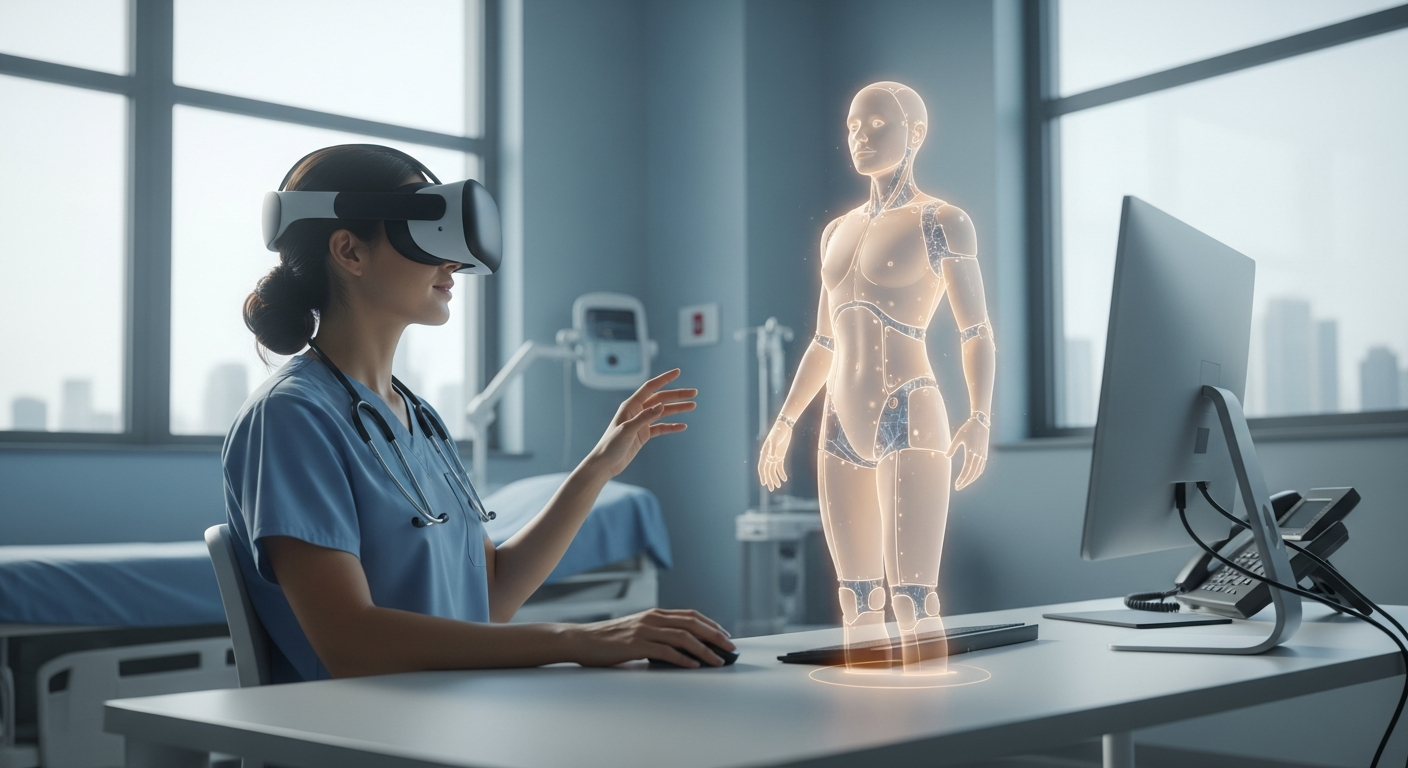
Organizations pioneering advanced XR, 3D simulation, and AI-avatar technologies—such as the innovative work showcased by Mimic Health XR (https://www.mimichealthxr.com)—are pushing patient-centric care even further. Through intelligent virtual assistants, immersive medical education, and 3D-guided treatment pathways, the future of AI-driven patient support is already here.
What Is AI in Healthcare?
AI in healthcare refers to the integration of artificial intelligence technologies—machine learning, natural language processing (NLP), predictive analytics, computer vision, and intelligent agents—into medical workflows, diagnostics, patient communication, and clinical decision-making.
Core functions of AI in healthcare include:
Assisting clinicians with diagnosis
Automating administrative tasks
Enhancing patient communication and support
Predicting risk factors and medical conditions
Personalizing treatment pathways
Improving remote monitoring and telehealth
Supporting medical training with XR and simulations
AI’s role is not to replace healthcare professionals but to augment their capabilities and deliver more efficient, accurate, and accessible care.
Why AI in Healthcare Matters for Patient Support
Patient support is often fragmented, delayed, or inconsistent due to overburdened healthcare systems. AI helps solve these gaps by creating 24/7 care pathways, automating routine communication, and providing personalized guidance.
AI improves patient support by:
Providing instant answers to medical questions
Offering guidance before, during, and after treatment
Reducing wait times and administrative workload
Delivering accessible information in multiple languages
Supporting clinicians with comprehensive patient insights
Ensuring continuity of care beyond hospital walls
As care becomes more patient-centered, AI becomes essential for delivering the experience modern patients expect.
How AI Improves Communication and Patient Engagement
Communication is the cornerstone of good healthcare, yet patients often struggle to access timely or clear information. AI solves this.
Key AI-driven communication enhancements:
24/7 chat-based medical guidance
Automated appointment reminders and follow-ups
Personalized treatment instructions
Medication adherence support
AI-based symptom checkers
Interactive educational content
AI-Powered Diagnosis, Triage & Early Detection
Early detection saves lives—and AI excels here by identifying risks much earlier than traditional methods.
AI diagnostic advantages include:
Automated triage in emergency or telehealth settings
Predictive models that detect high-risk patients
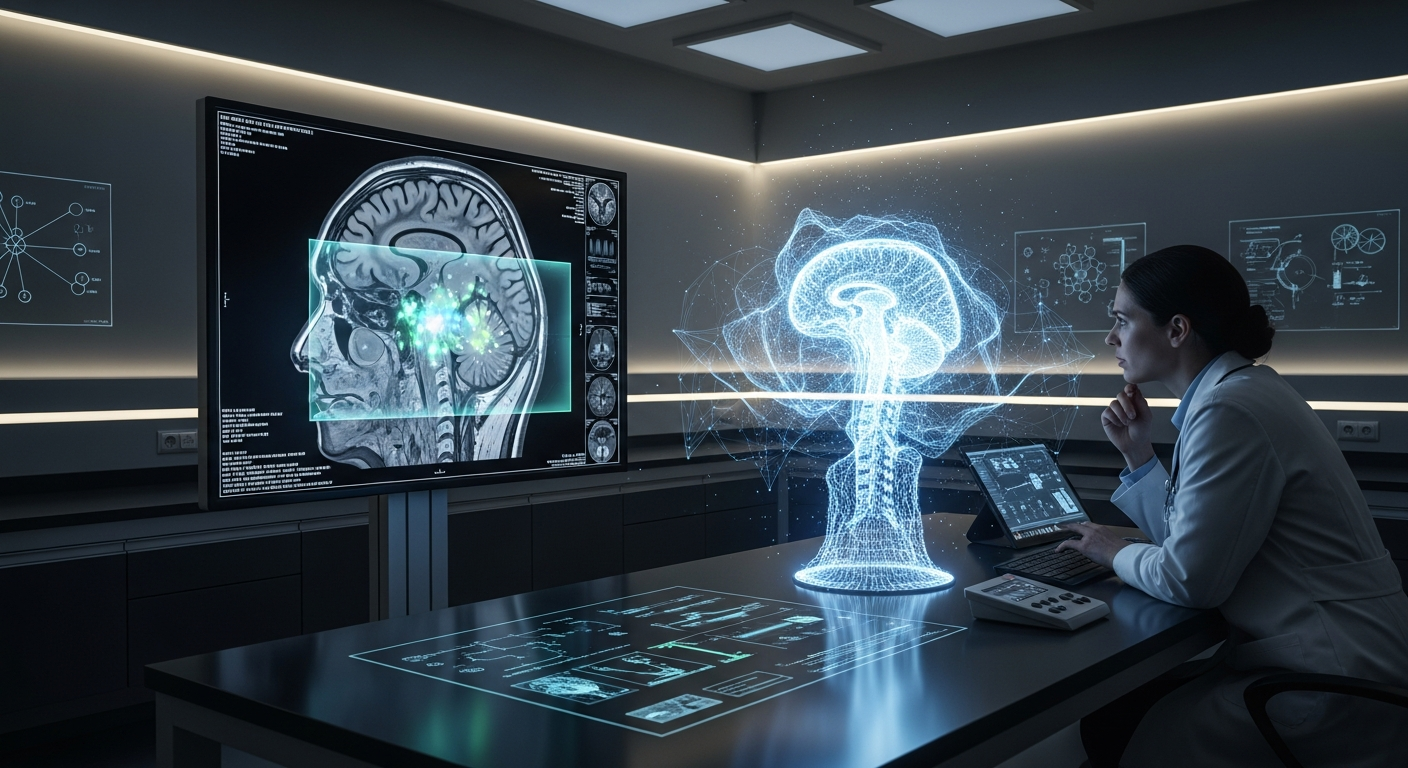
Computer vision systems that analyze scans
Machine learning for lab and pathology analysis
Early alerts for chronic conditions