Virtual clinics are emerging as one of the most significant breakthroughs in digital health, enabling patients to access medical expertise, diagnostic support, therapeutic guidance, and care coordination from anywhere — through fully immersive XR environments. As healthcare continues shifting toward remote-first and hybrid care models, XR-powered virtual clinics offer richer interaction, deeper engagement, and more accurate visualization than traditional telemedicine.
Unlike standard video calls, virtual clinics create spatial, interactive environments where clinicians and patients feel present together. Patients can walk through visual care instructions, explore personalized anatomy models, interact with digital diagnostic tools, communicate with virtual assistants, and collaborate with clinicians through shared MR or VR spaces. As XR merges with AI, digital twins, and real-time data, virtual clinics redefine what remote care can be.
This guide explores how virtual clinics in XR work, why they matter, and how they are shaping the future of interactive remote healthcare.
1. What Are XR Virtual Clinics?
Virtual clinics in XR are immersive, digital healthcare environments that allow clinicians and patients to meet inside shared virtual or mixed-reality spaces. These clinics range from fully simulated VR consultation rooms to MR-enhanced physical environments where digital content appears directly in the patient’s space.
Key characteristics of XR virtual clinics:
spatial interaction instead of flat video
life-sized visualizations of medical data
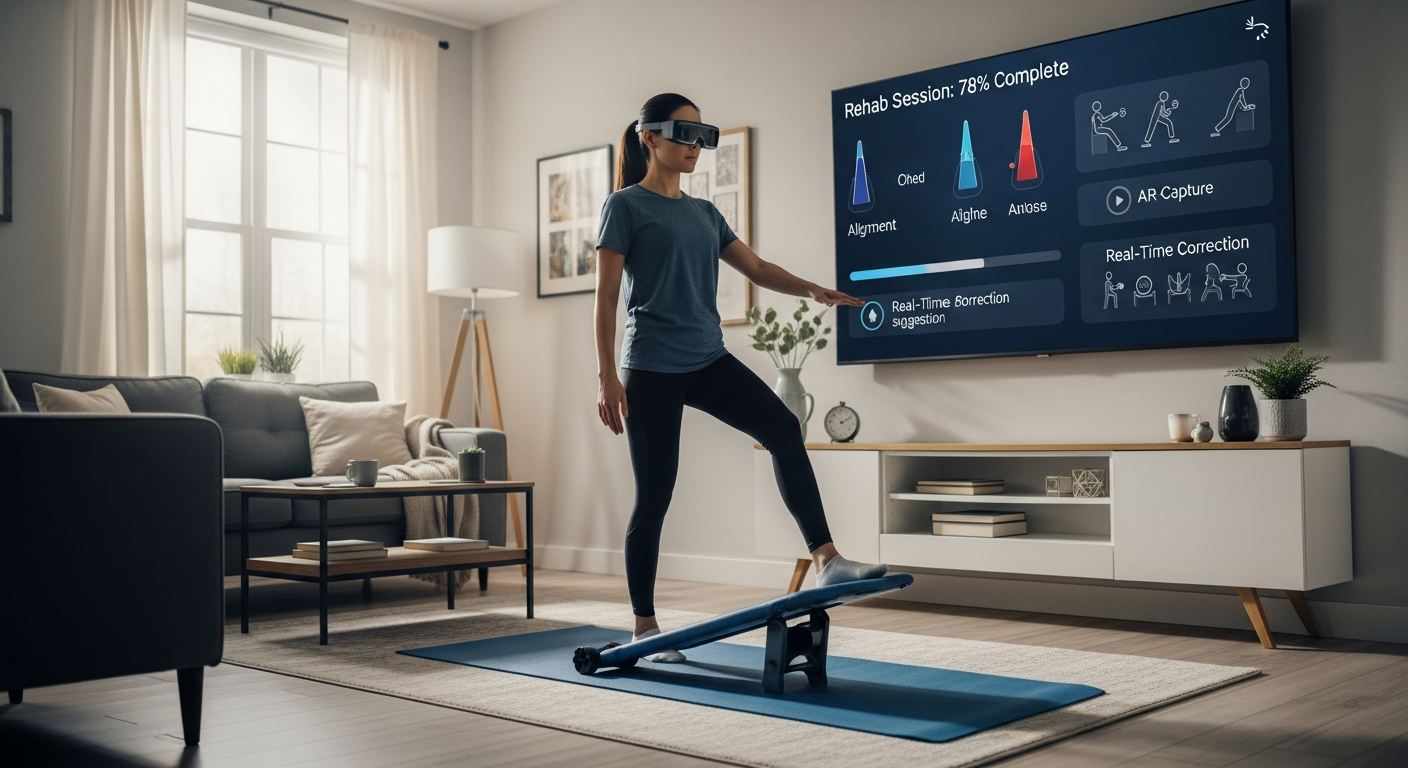
movement-based assessment tools
natural hand, gesture, and voice interaction
real-time collaboration between patient and clinician
support from AI avatars and automated care assistants
These clinics build upon systems similar to AI-driven support systems, enabling remote care, where intelligent automation meets real-time patient interaction.
2. Why XR Virtual Clinics Are the Next Evolution of Telemedicine?
Telemedicine has grown dramatically, but it remains limited by:
2D interfaces
lack of spatial assessment
constrained communication cues
poor visualization of medical concepts
low engagement for long-term care
XR eliminates these constraints.
XR virtual clinics offer:
deeper clinician–patient presence
spatial communication (movement, orientation, pointing)
immersive visualization of anatomy and treatment options
environmental awareness through MR
more accurate movement and functional assessments
This represents a major step toward high-quality remote care.
3. Immersive Diagnostic Interaction Through XR
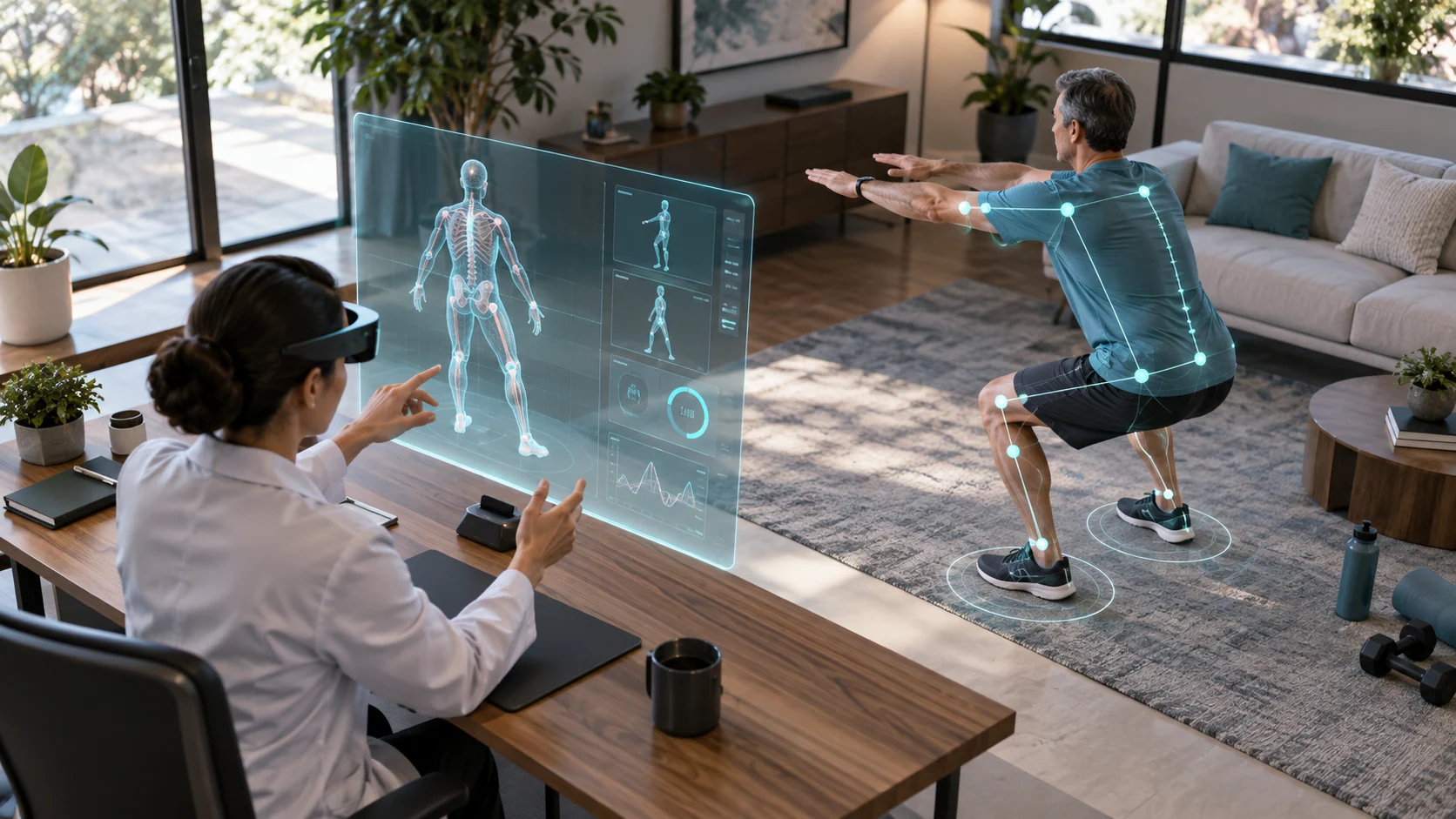
XR allows clinicians to perform functional assessments remotely — something video tools cannot do effectively.
Examples of XR diagnostic tools:
full-body motion tracking for orthopedic or neurological evaluation
patient-guided movement prompts
respiratory visualization tools
heart rate and posture mapping through spatial sensors
AI-supported behavioral observation
These capabilities expand the range of conditions clinicians can diagnose remotely.
4. Digital Twins Inside Virtual Clinics
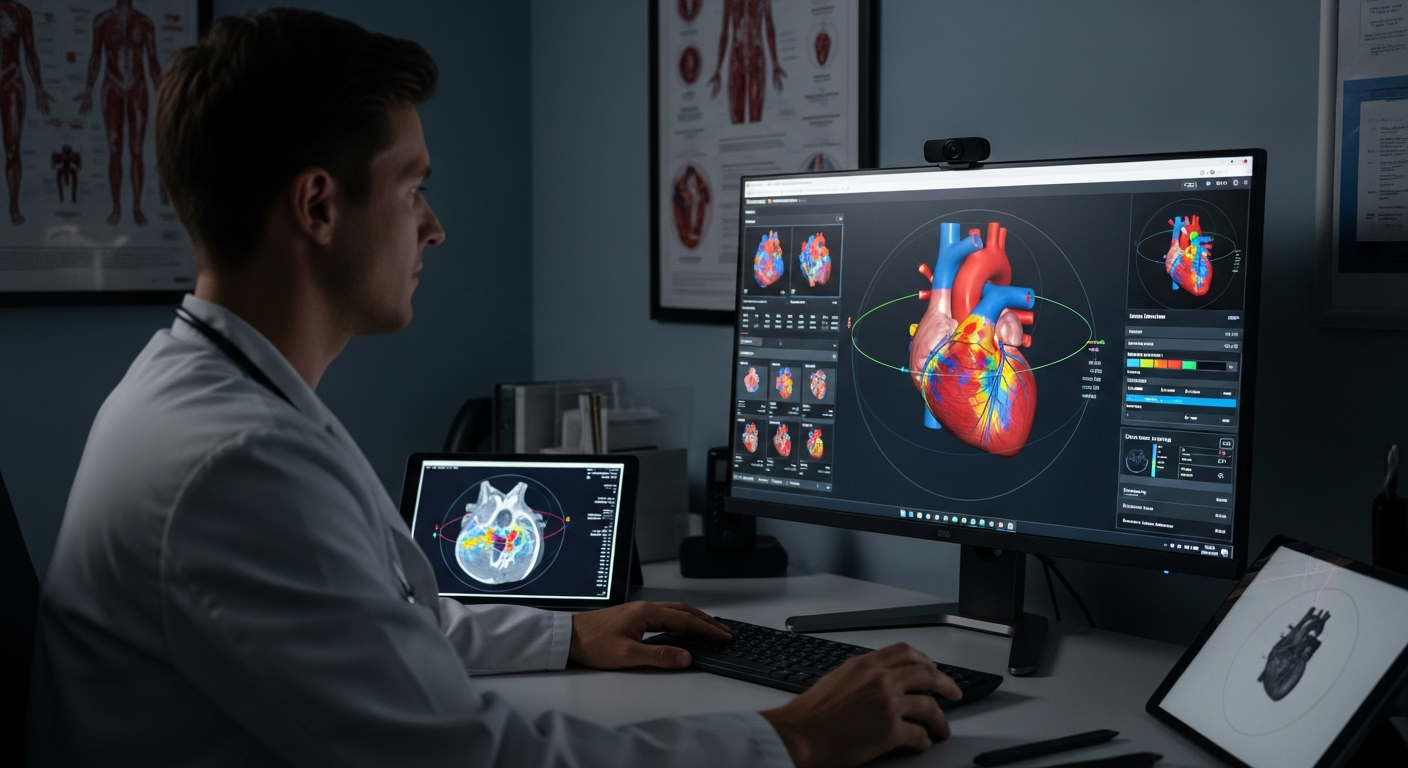
Digital twin technology strengthens XR clinics by providing patient-specific, 3D anatomical models based on imaging data.
These models reflect the same principles used in digital twin healthcare planning for improved treatment— but now applied directly inside remote consultations.