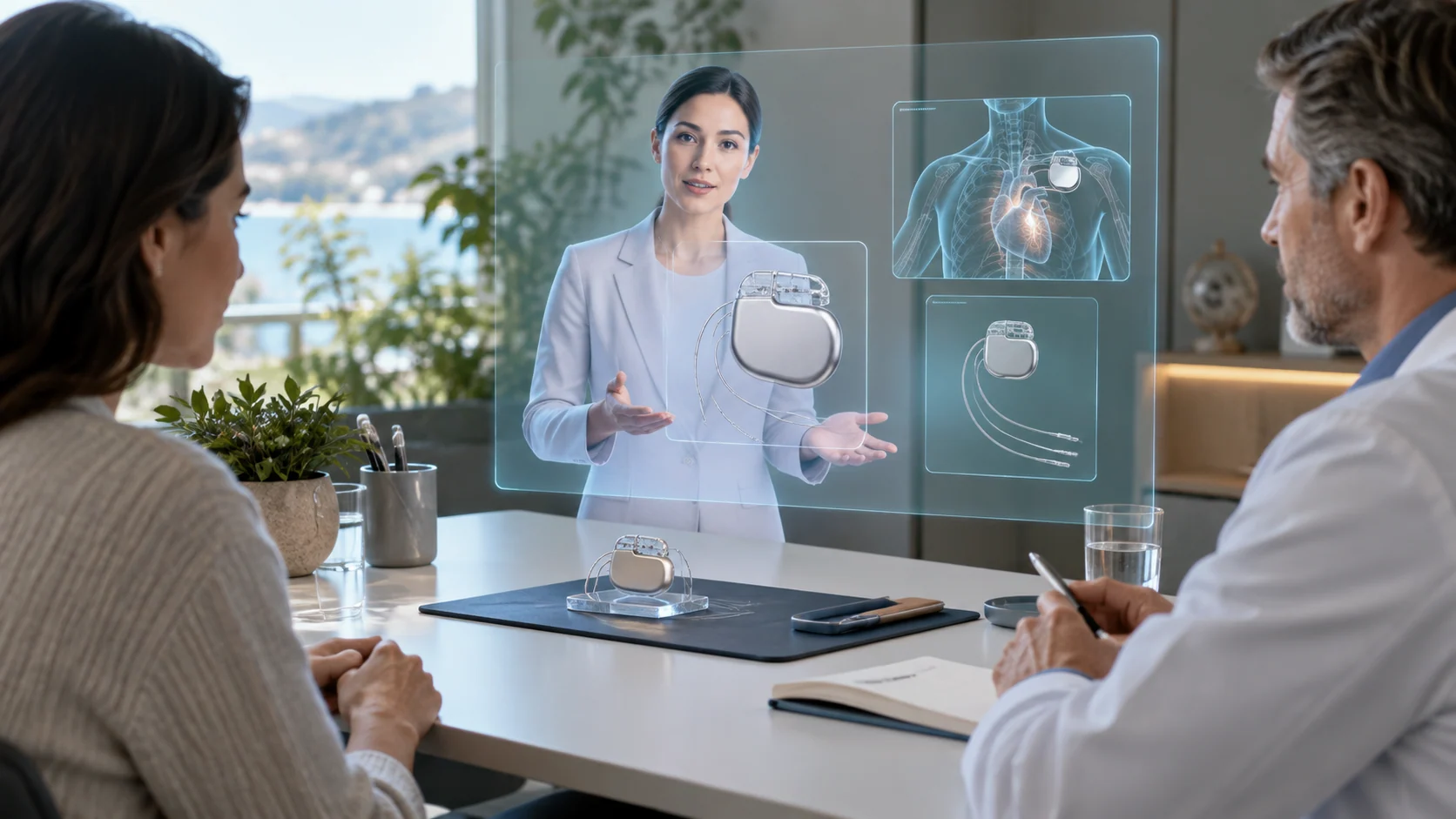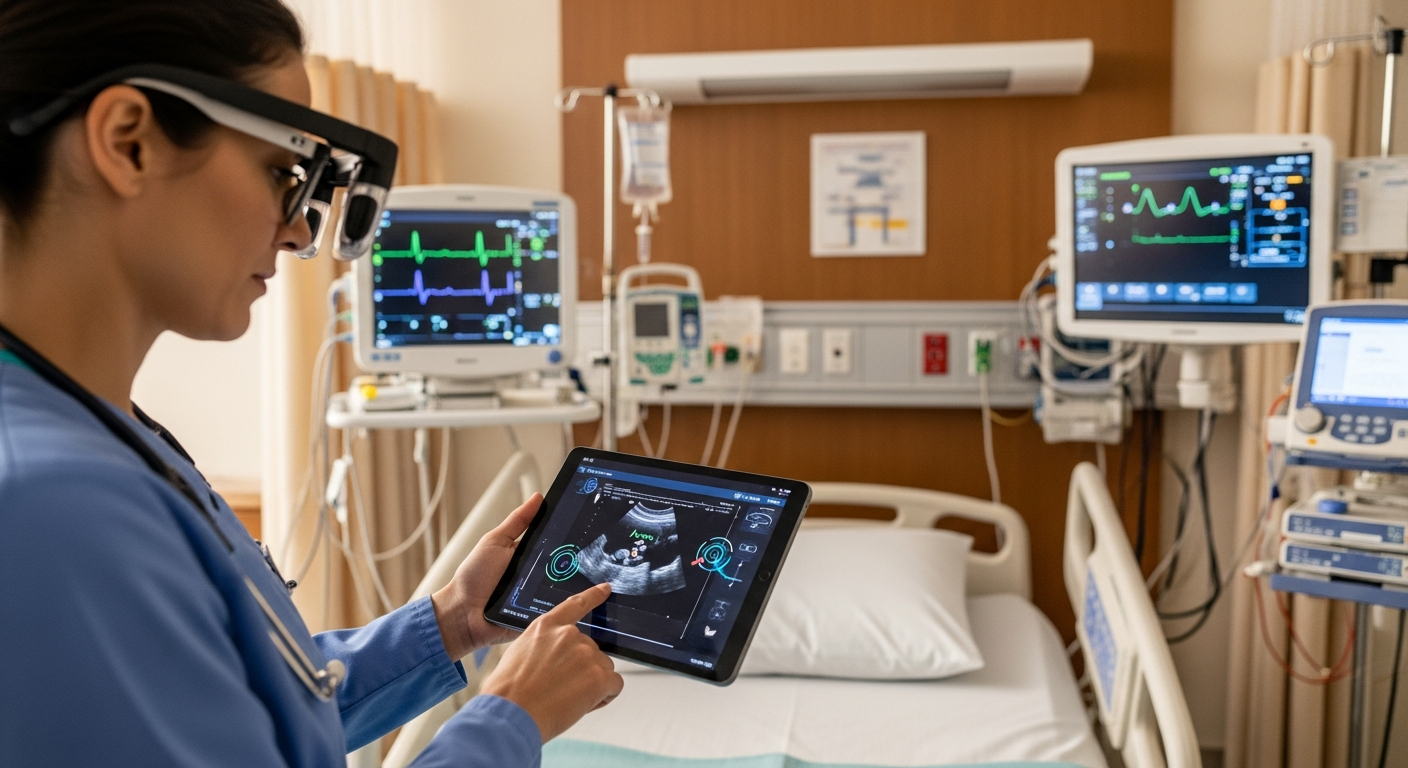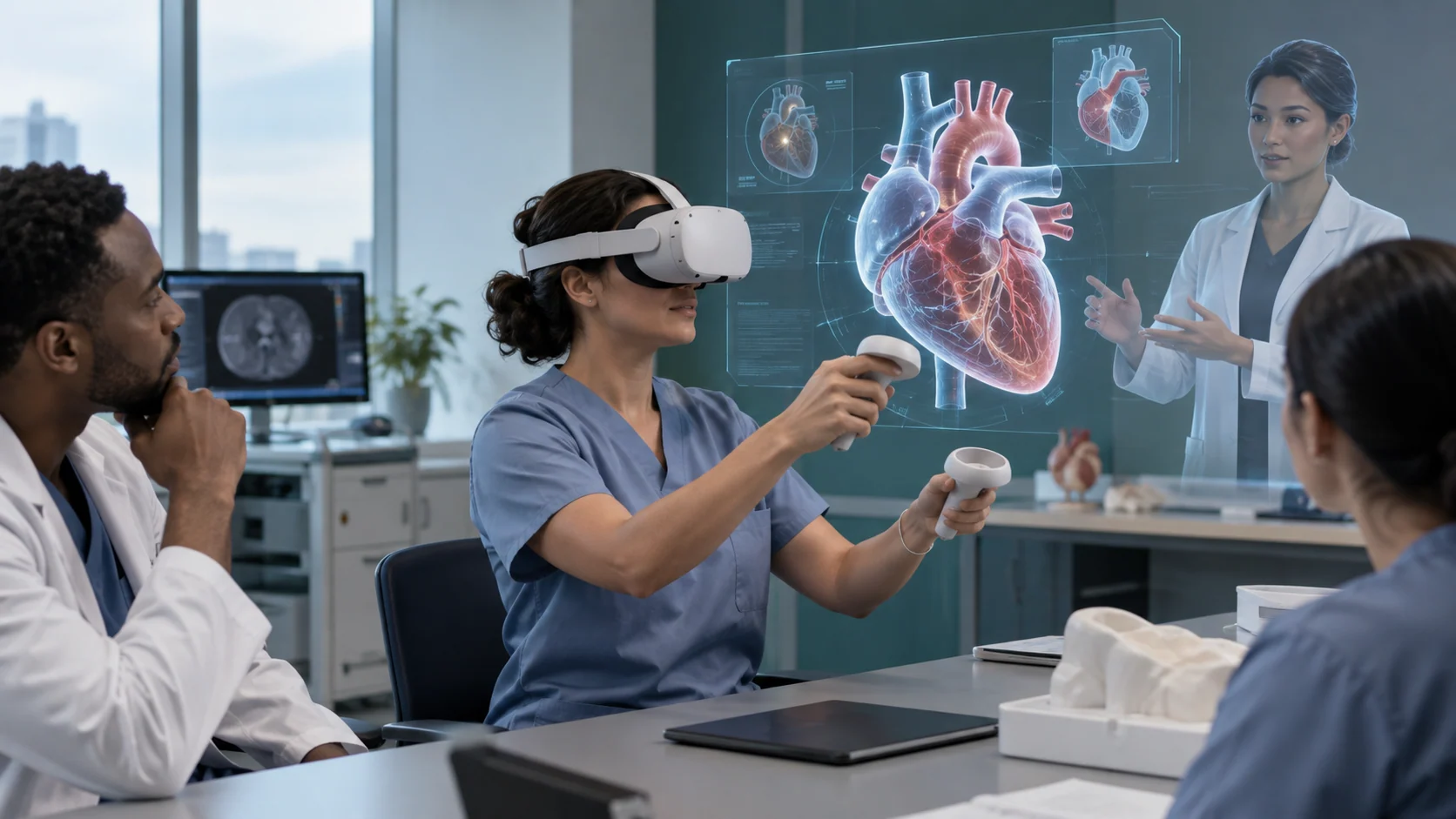
Medical device marketing has a difficult job: explain complex science clearly, earn trust from healthcare professionals, and help patients or buyers understand product value without oversimplifying clinical reality. A brochure or static render can introduce a device, but it often cannot show how that device behaves in a real care pathway.
That is why immersive XR, 3D visualization, and AI avatars are becoming useful communication tools for MedTech brands. They can turn mechanisms, workflow steps, safety considerations, and patient benefits into interactive experiences that are easier to explore and remember.
Mimic Health XR already works across AI avatars, 3D simulations, medical training, and immersive advertising. This guide explains how healthcare brands can use those capabilities to make medical device education more useful, measurable, and credible.
Table of Contents
What medical device marketing needs to explain
Medical device buyers rarely need shallow awareness alone. Clinicians, procurement teams, training leaders, and patient education teams want to understand what the device does, where it fits into the workflow, how it compares with current practice, what training is required, and what outcomes it may support.
A strong campaign translates technical detail into practical context. It should show use cases, operating environments, decision points, safety boundaries, and evidence in a way that is easy to review. For products that support diagnosis, treatment, rehabilitation, surgical planning, monitoring, or patient education, the story is often spatial and procedural.