In today’s rapidly evolving medical landscape, the integration of cutting-edge technology is not just an option but a necessity. You face complex healthcare challenges daily, from improving patient outcomes to enhancing medical training and rehabilitation. The fusion of artificial intelligence (AI), extended reality (XR), and immersive technology is transforming how healthcare professionals diagnose, treat, and educate. These healthcare tech advancements are reshaping the future of medicine, offering unprecedented precision, empathy, and efficiency.
By embracing these innovations, you can elevate your practice, streamline workflows, and ultimately provide better care. This article explores the most impactful healthcare tech advancements, how they work, their benefits, real-world applications, and what the future holds for this dynamic field.
Exploring Healthcare Tech Advancements: AI, XR, and Immersive Technology
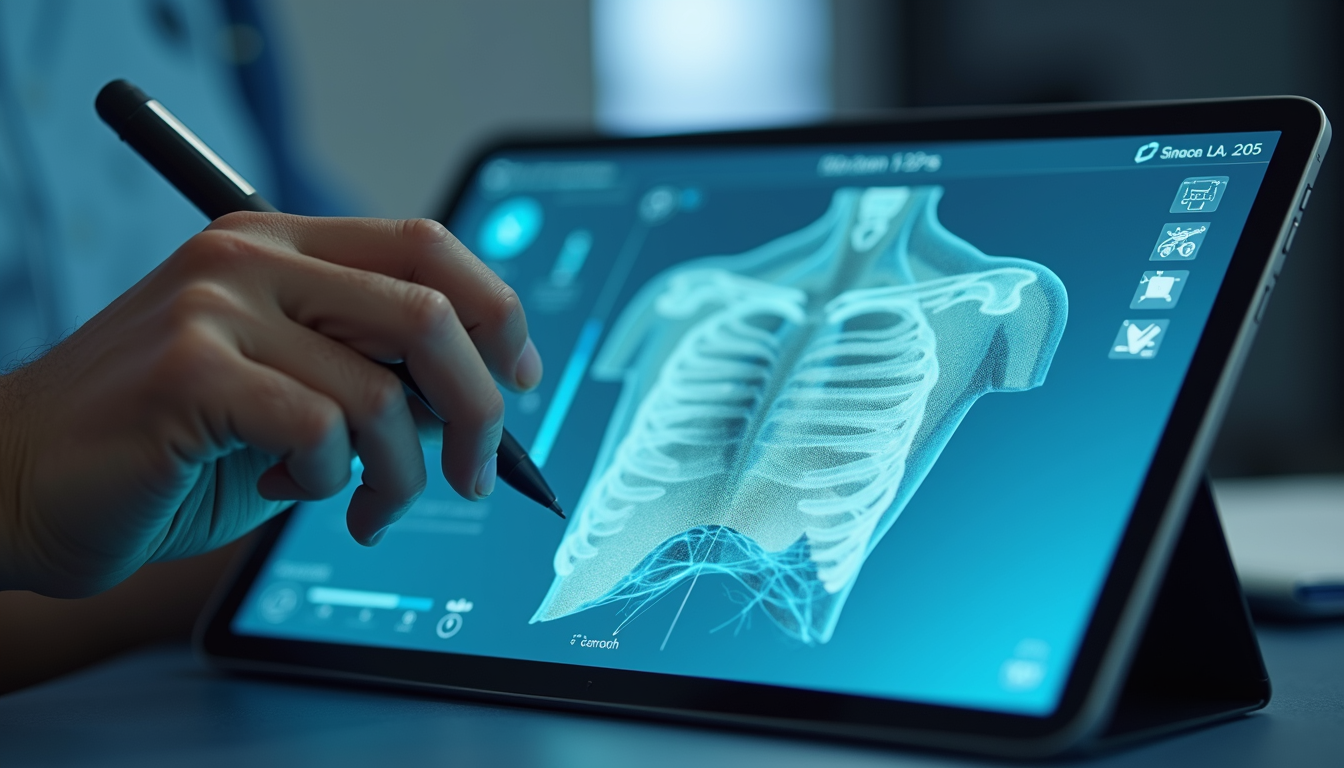
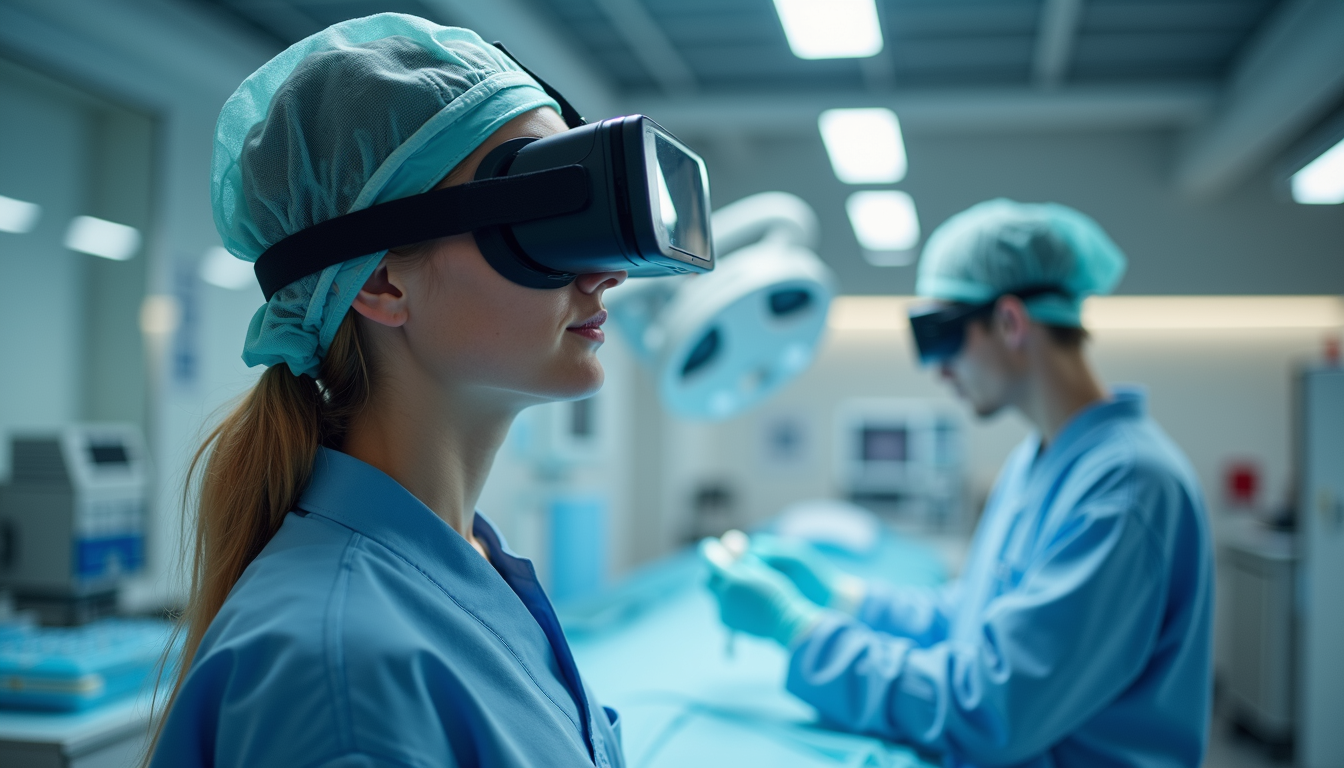
Healthcare tech advancements are revolutionizing the way medical professionals operate. AI algorithms analyze vast datasets to detect patterns invisible to the human eye, enabling earlier diagnoses and personalized treatment plans. XR technologies, including virtual reality (VR) and augmented reality (AR), create immersive environments for training, surgical planning, and patient rehabilitation.
For example, AI-powered diagnostic tools can identify anomalies in medical imaging with remarkable accuracy, reducing human error. Meanwhile, XR platforms allow surgeons to rehearse complex procedures in a risk-free virtual setting, improving precision and confidence.
These technologies work synergistically to enhance decision-making and patient engagement. By integrating AI with XR, you can simulate patient-specific scenarios, providing tailored care and improving outcomes.
How Healthcare Tech Advancements Work
Artificial Intelligence (AI): AI uses machine learning and deep learning to process medical data, predict disease progression, and recommend treatments. It continuously learns from new data, improving accuracy over time.
Extended Reality (XR): XR encompasses VR, AR, and mixed reality (MR). VR immerses users in a fully digital environment, AR overlays digital information onto the real world, and MR blends both for interactive experiences.
Immersive Technology: This includes haptic feedback devices and 3D simulations that engage multiple senses, enhancing learning and rehabilitation.
Together, these technologies create a comprehensive ecosystem that supports healthcare professionals in diagnosis, treatment, education, and patient recovery.
What are the 4 P's in Healthcare?
Understanding the 4 P's in healthcare is essential to grasp how technology aligns with modern medical goals. These principles guide the shift towards more effective and patient-centered care:
Predictive: Using data and AI to anticipate health issues before they become critical.
Preventive: Implementing strategies and technologies to avoid disease onset.
Personalized: Tailoring treatments and interventions to individual patient profiles.
Participatory: Encouraging active patient involvement in their own care through technology.
By leveraging healthcare tech advancements, you can support these principles effectively. For instance, AI-driven predictive analytics help identify at-risk patients early, while XR tools engage patients in rehabilitation exercises, making care more participatory.
Benefits of Integrating AI and XR in Healthcare
The integration of AI and XR technologies offers numerous benefits that directly impact patient care and professional development: