How can hospitals onboard clinical teams faster without lowering safety, confidence, or protocol consistency?
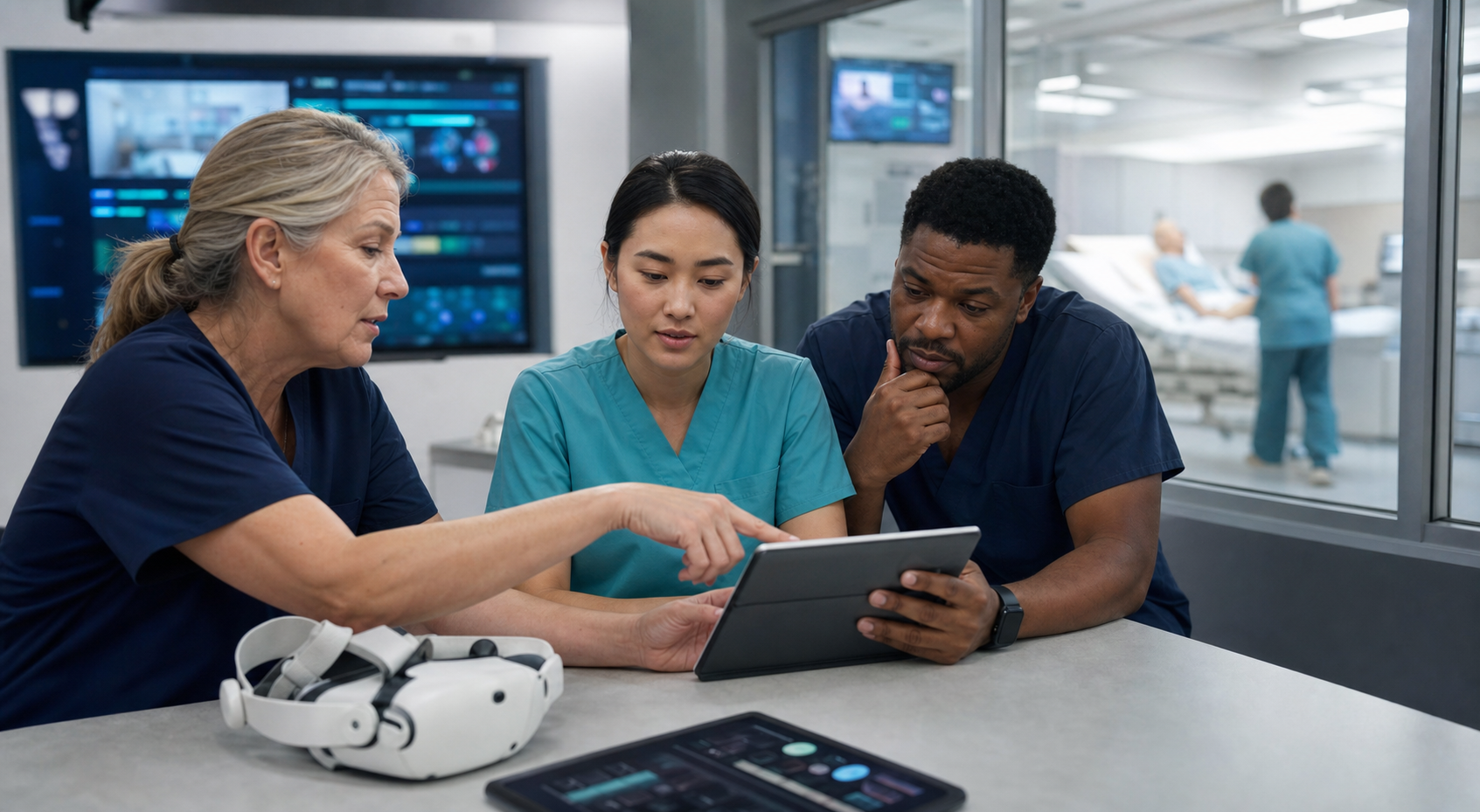
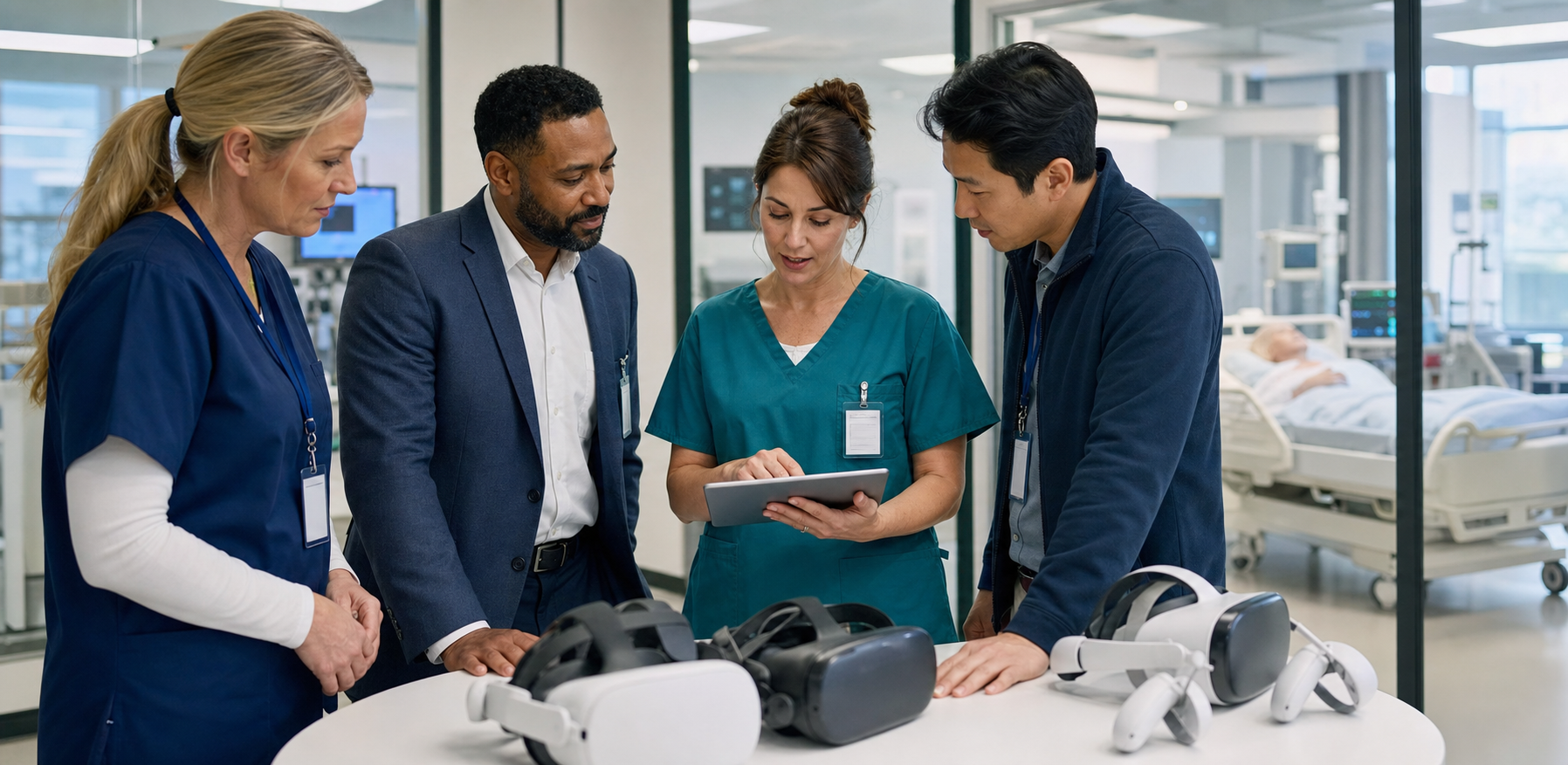
Clinical onboarding is no longer just a paperwork process. New nurses, rotating clinicians, technicians, and support teams need to understand real workflows, patient safety expectations, equipment handling, escalation paths, and communication norms before they are placed under live pressure. That is why healthcare organizations are looking at XR clinical onboarding as a practical extension of simulation-based learning.
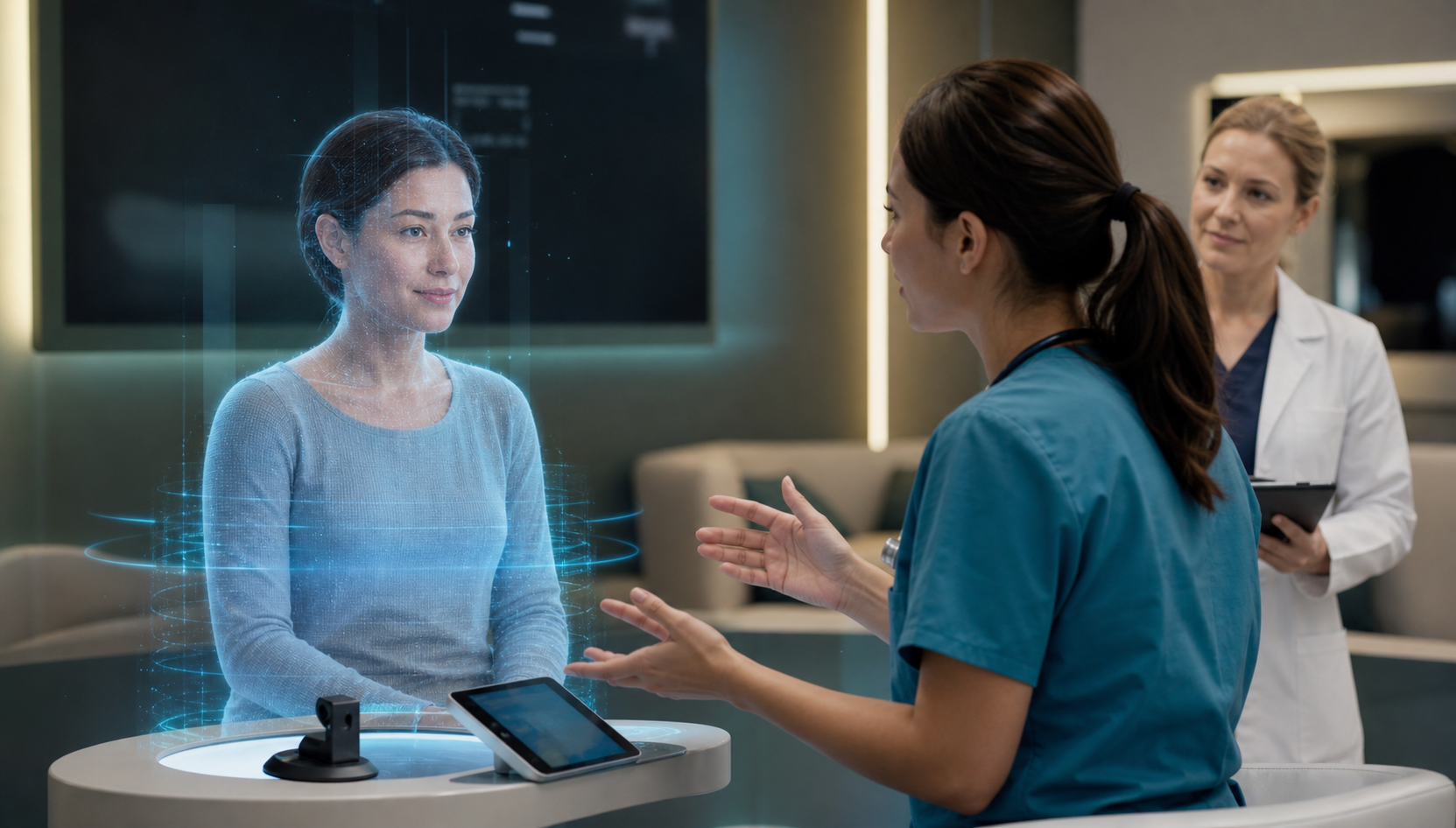
Mimic Health XR builds immersive systems for medical education and training, hospital training and safety protocols, AI avatars, 3D simulations, and remote consultation support. For onboarding leaders, the opportunity is simple: move essential practice out of static slide decks and into repeatable environments where staff can rehearse the work before it affects patients.
Table of Contents
Why Clinical Onboarding Needs Immersive Practice
Hospitals ask new staff to learn policies, equipment, team roles, digital systems, and unit culture at the same time. Even experienced clinicians can struggle when they join a new ward, specialty, country, or technology stack. Traditional onboarding often separates these topics into lectures, checklists, and occasional shadowing, which makes it hard to test readiness under realistic conditions.
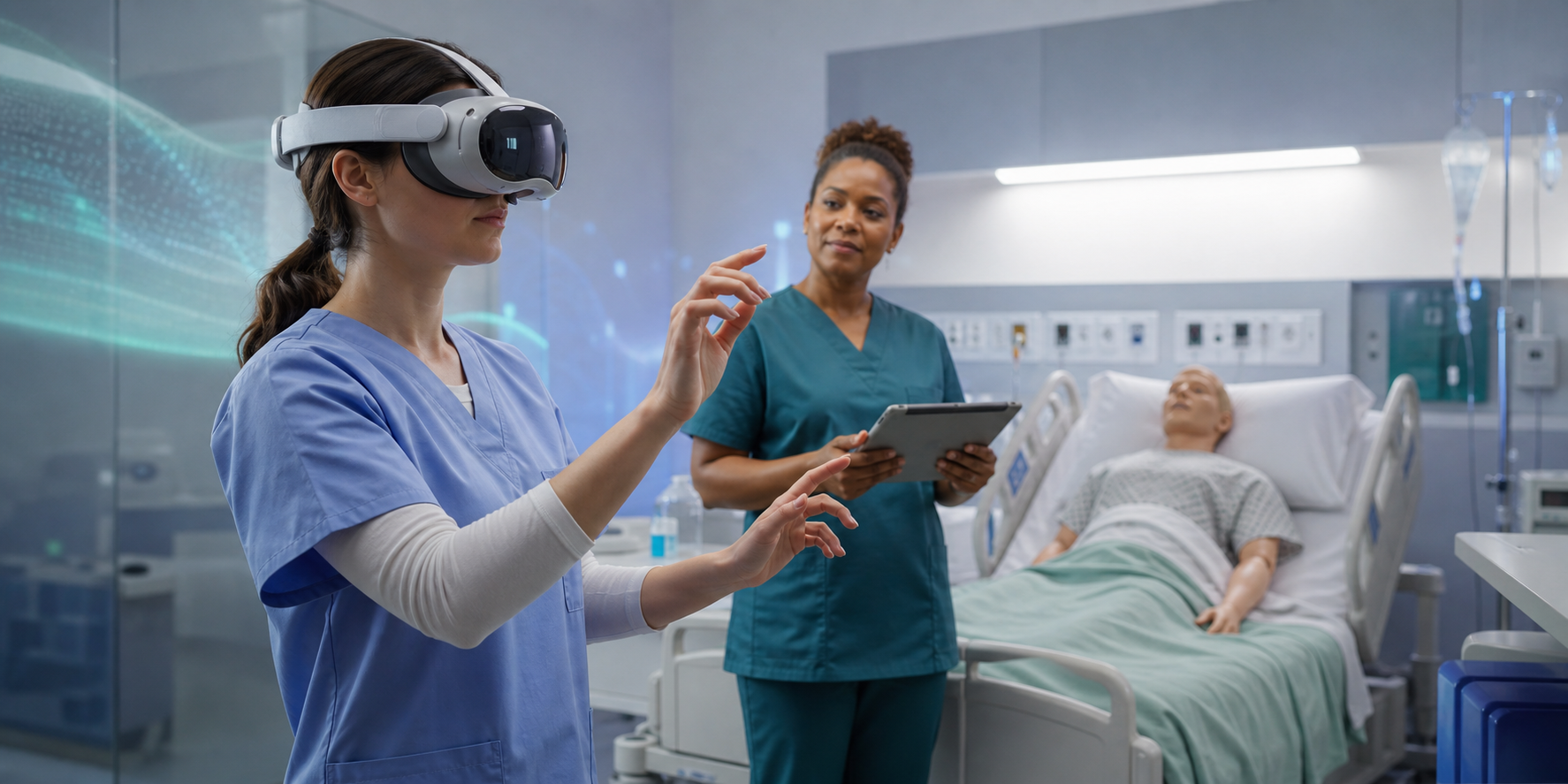
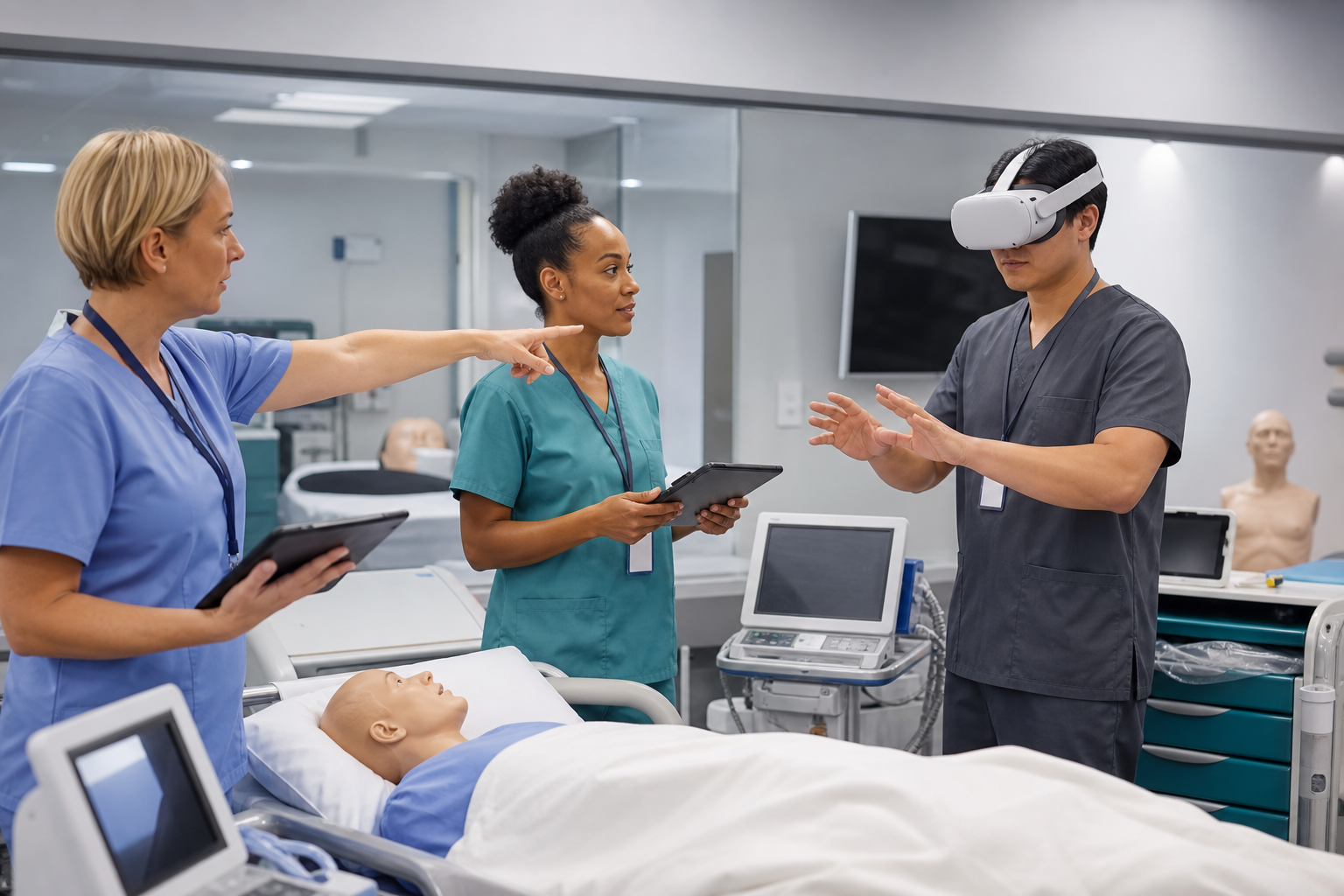
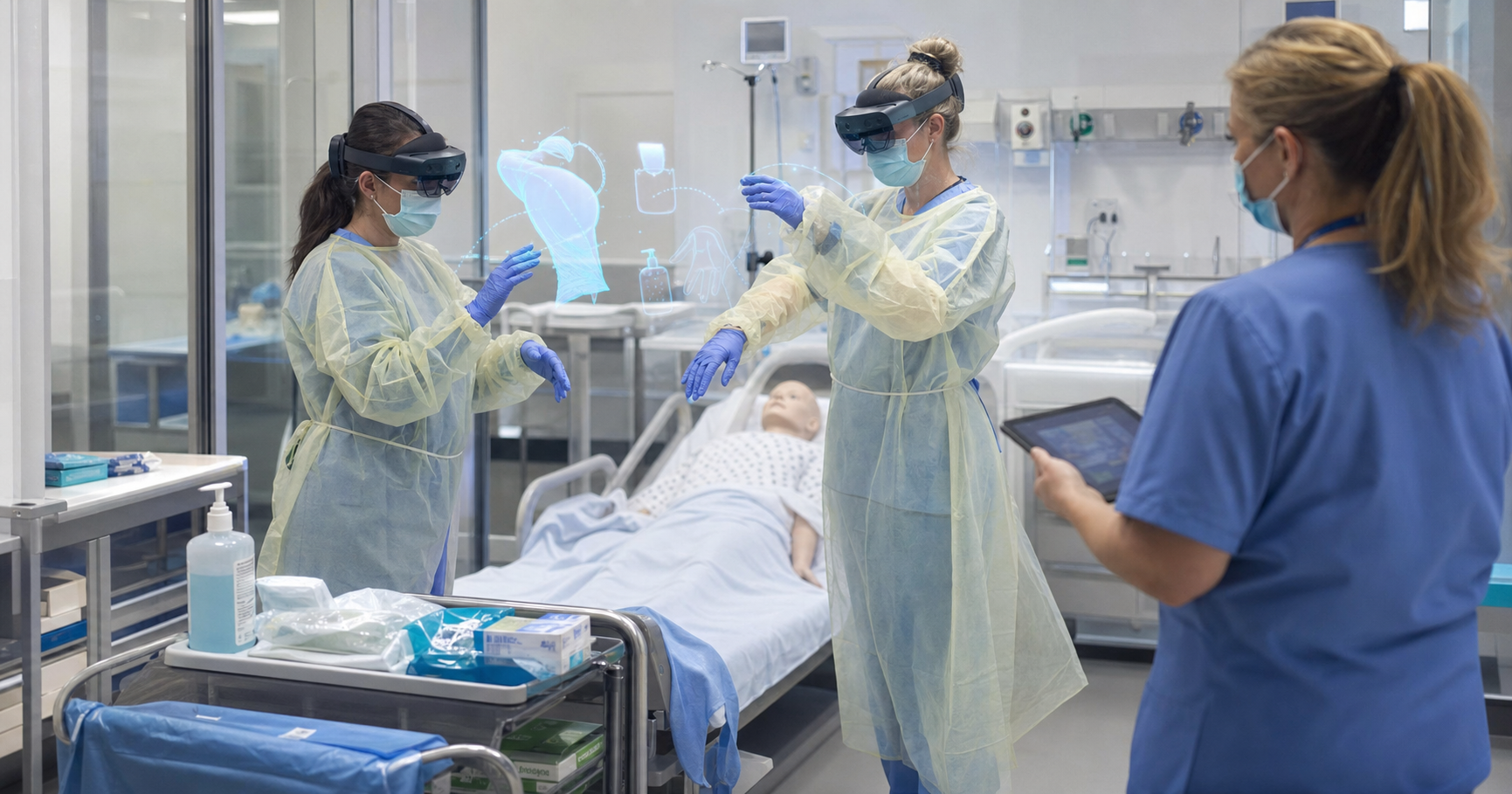
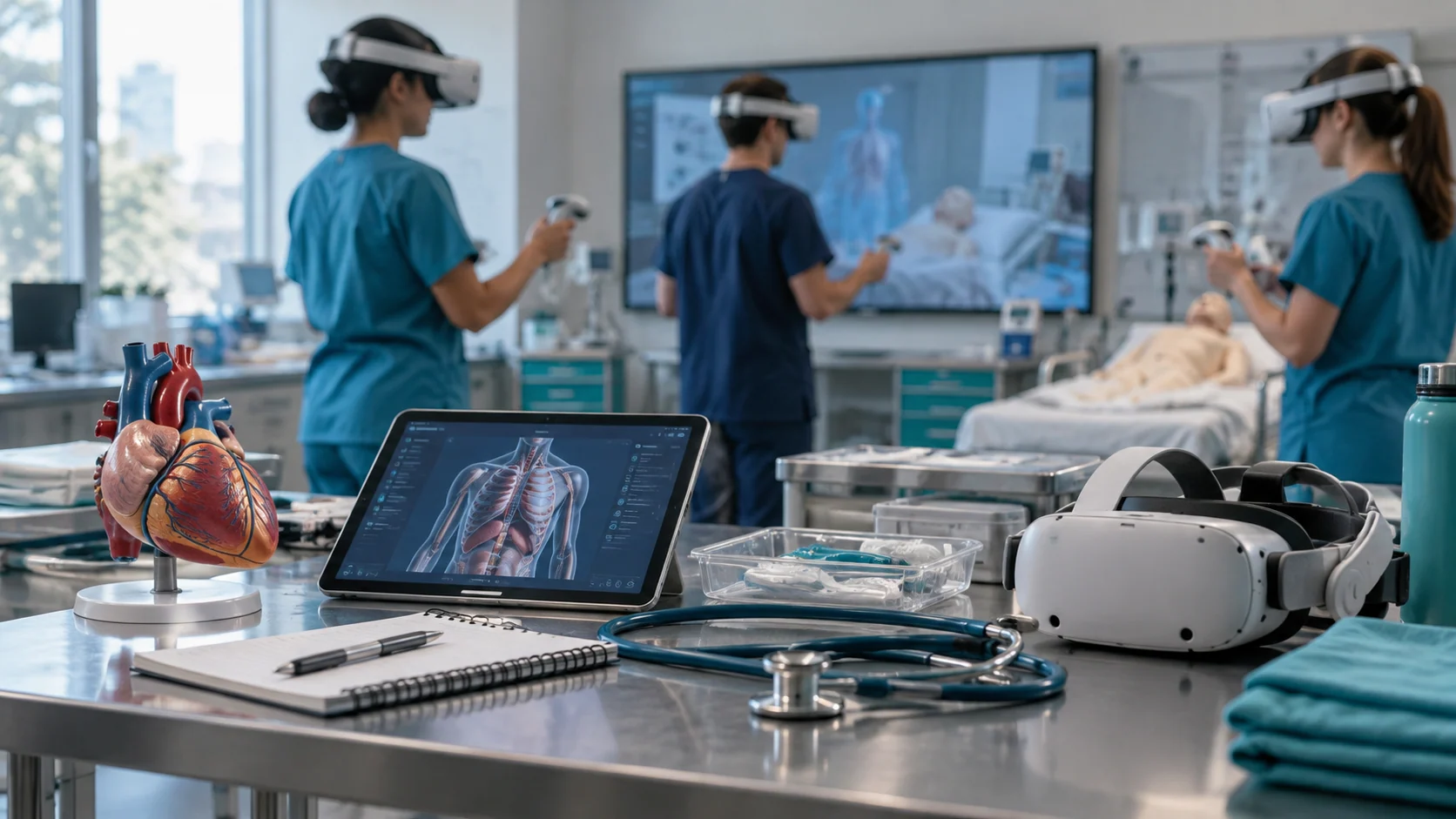
XR changes the rhythm of onboarding because it gives staff an interactive place to practice. A learner can enter a virtual ward, respond to a deteriorating patient, identify missing protective equipment, communicate with a colleague, or review the steps of a device setup. The point is not to replace expert supervision. The point is to make supervised practice more consistent, visual, and repeatable.