Mental health care is evolving as clinicians adopt immersive technologies to address conditions that are difficult to treat through traditional methods alone. Mental health VR platforms allow therapists to place patients inside controlled, therapeutic environments where exposure, emotional regulation, and behavioral practice can happen safely and gradually. These platforms are now being used in hospitals, clinics, and research institutions to support treatment for anxiety, PTSD, phobias, depression, and stress-related disorders.
Virtual reality adds a new dimension to therapy by engaging the patient’s senses and emotions in a way that talk therapy or 2D tools cannot always achieve. When implemented responsibly, VR-based therapy tools improve engagement, increase treatment adherence, and provide clinicians with precise control over therapeutic variables. Solutions developed through ecosystems like Mimic Health XR support this shift by combining immersive simulation, clinical safety frameworks, and data-driven workflows.
This article examines how mental health VR platforms are used in clinical practice, with a focus on effectiveness, ethical responsibility, and patient safety.
Table of Contents
What are mental health VR platforms?
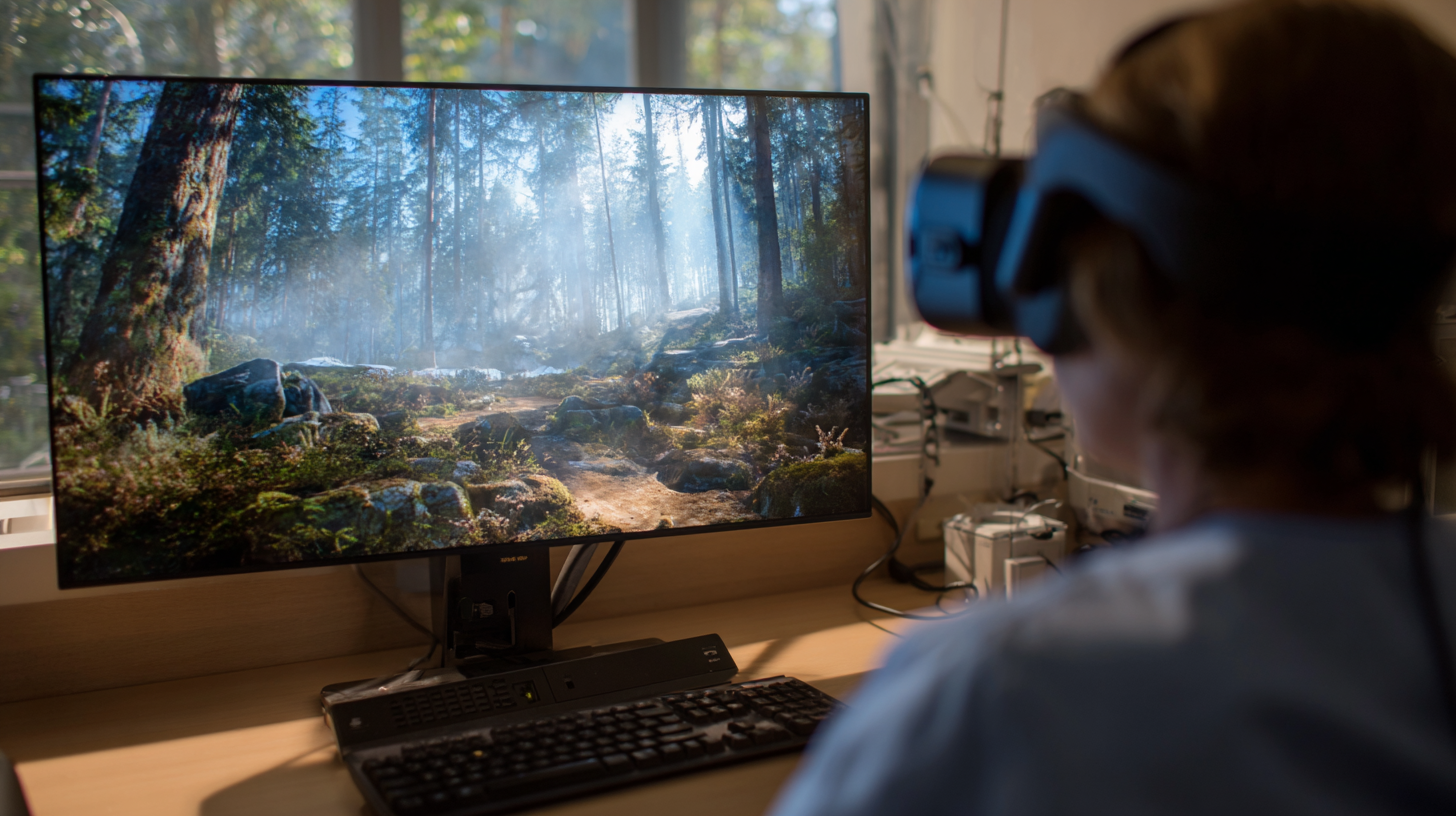
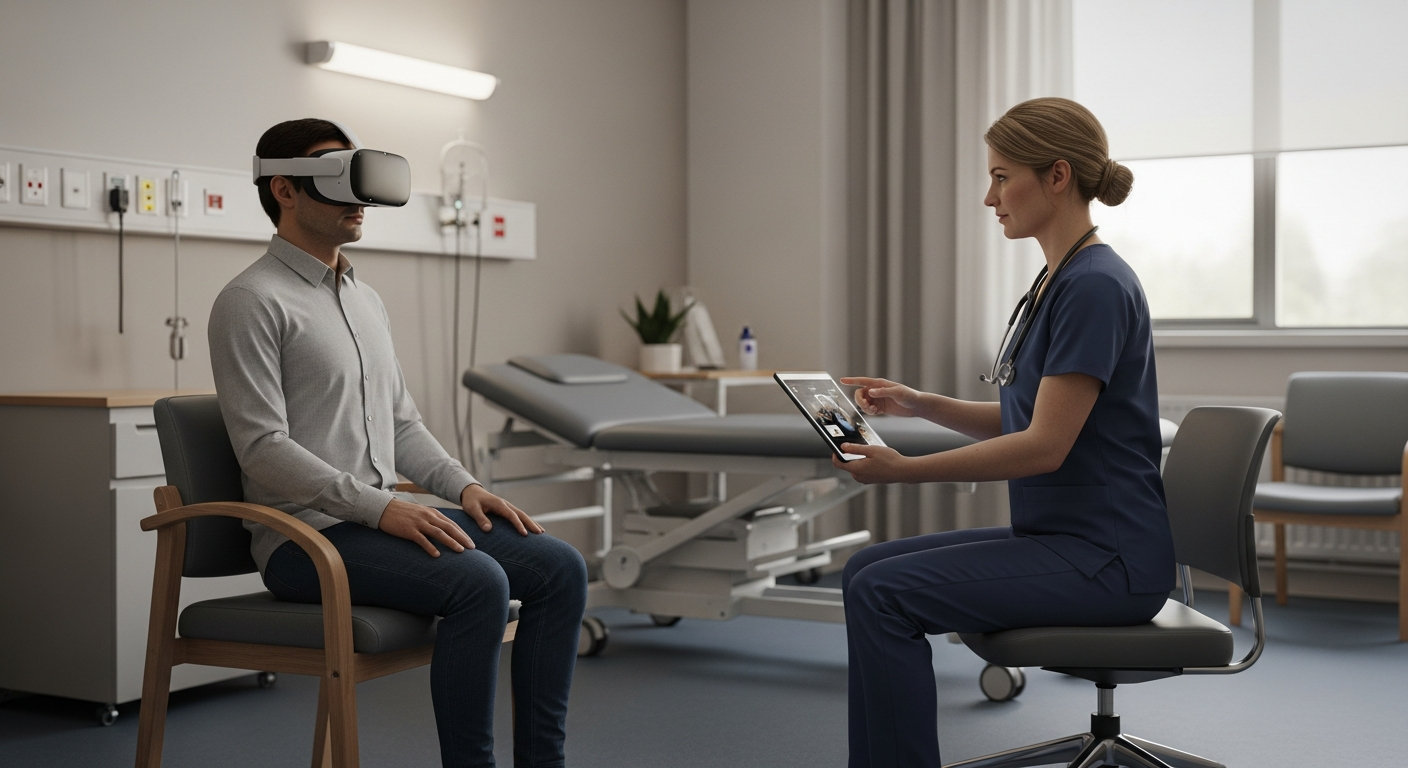
Mental health VR platforms are immersive systems that support therapeutic interventions through simulated environments. Patients wear VR headsets and enter scenarios designed to help them confront fears, practice coping strategies, or experience calming and restorative environments under clinical supervision.
These platforms support:
exposure therapy
guided relaxation and mindfulness
cognitive behavioral therapy exercises
trauma-informed simulations
social skills practice
emotional regulation training
Unlike generic wellness apps, clinical VR platforms are designed to be used by licensed professionals with clear therapeutic intent. They operate within structured healthcare frameworks similar to those described on the Mimic Health XR tech platform.
Why are clinicians adopting VR for mental health treatment?
Traditional mental health treatment relies heavily on the patient's imagination and verbal description. Many patients struggle to visualize triggering scenarios or to engage consistently in therapy exercises. VR removes this barrier by creating realistic, controllable experiences.
Clinicians adopt mental health VR because it:
improves patient engagement
reduces avoidance behavior
allows gradual exposure in safe conditions
provides consistent therapeutic environments
supports measurable progress tracking
enhances patient understanding of treatment goals
VR therapy does not replace clinicians. It enhances their ability to guide treatment more effectively.
How VR therapy improves patient engagement and outcomes?
Engagement is one of the strongest predictors of therapeutic success. Immersive mental health platforms increase engagement by making therapy experiential rather than abstract.
VR therapy helps patients:
remain focused during sessions
feel more present and emotionally involved
practice coping strategies in realistic settings
reduce stigma associated with traditional therapy
commit more consistently to treatment plans
These benefits align with immersive care approaches discussed in virtual reality healthcare simulation for hospitals, where realism and controlled environments improve outcomes.
Clinical effectiveness across common mental health conditions
Research and clinical trials have shown positive outcomes for VR-assisted therapy across several conditions.
Anxiety and phobias
VR exposure therapy allows gradual, repeatable exposure to feared situations such as heights, flying, or public speaking.
Post-traumatic stress disorder
Trauma-informed VR environments help patients process memories in a controlled, clinician-guided manner.
Depression and stress
Immersive relaxation environments support mood regulation, stress reduction, and mindfulness practice.