Virtual Reality (VR) has moved far beyond gaming and entertainment—it is now transforming the medical world. From immersive surgical simulations to patient rehabilitation, VR is reshaping how clinicians train, how patients heal, and how complex medical information is understood.
As VR becomes more powerful, more accessible, and more deeply integrated with AI and real-time 3D technologies, the healthcare industry stands on the edge of a new frontier. The future of virtual reality in healthcare will combine immersive experiences, XR-trained clinicians, AI-driven personalization, and 3D visualizations that elevate patient care across every touchpoint.
Innovators like Mimic Health XR are already building these next-generation solutions, as demonstrated in their insights on transformative immersive healthcare technologies. VR is rapidly becoming one of the most critical technologies driving the evolution of medicine.
What Is Virtual Reality in Healthcare?
Virtual Reality in healthcare refers to immersive, 3D virtual environments used for medical training, diagnostics, therapy, patient education, and surgical planning. VR allows users to interact with realistic simulations that replicate medical scenarios with incredible precision.
Core areas of VR in medicine include:
Medical training & educational simulations
Surgical planning and rehearsals
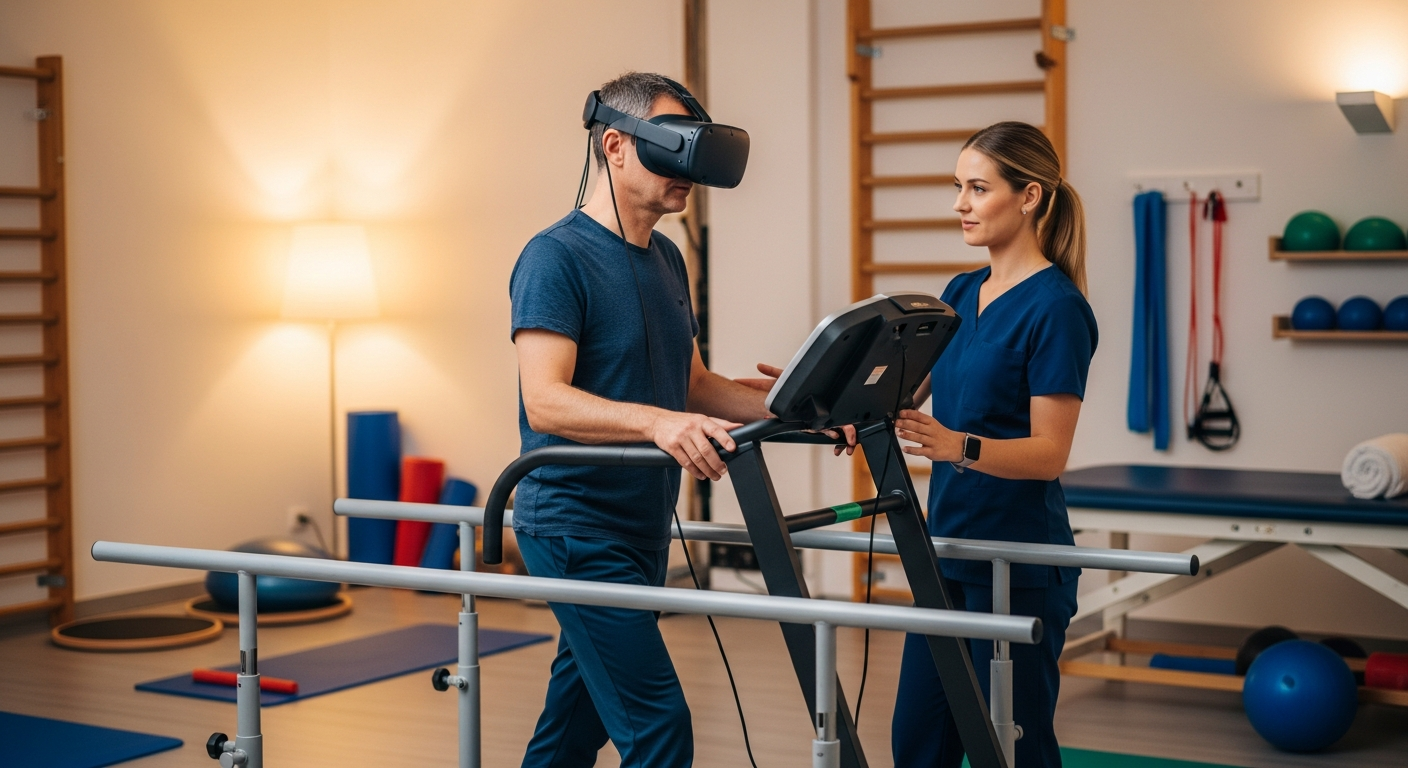
Rehabilitation and physical therapy
Pain distraction and psychological therapy
Patient education through immersive visuals
Remote care and telepresence
VR is revolutionizing how clinicians learn, how hospitals operate, and how patients experience care.
Why VR Is Becoming Essential in Modern Medicine
Healthcare is complex, high-stakes, and constantly evolving. VR offers solutions that solve real industry challenges—from skill gaps to patient engagement issues.
VR helps modern medicine by:
Reducing training risks
Standardizing medical education
Enhancing patient comprehension
Creating safe practice environments
Improving recovery outcomes
Increasing efficiency for overstretched staff
As VR hardware becomes lighter and AI-enhanced, its clinical value continues to grow.
VR for Medical Education & Professional Training
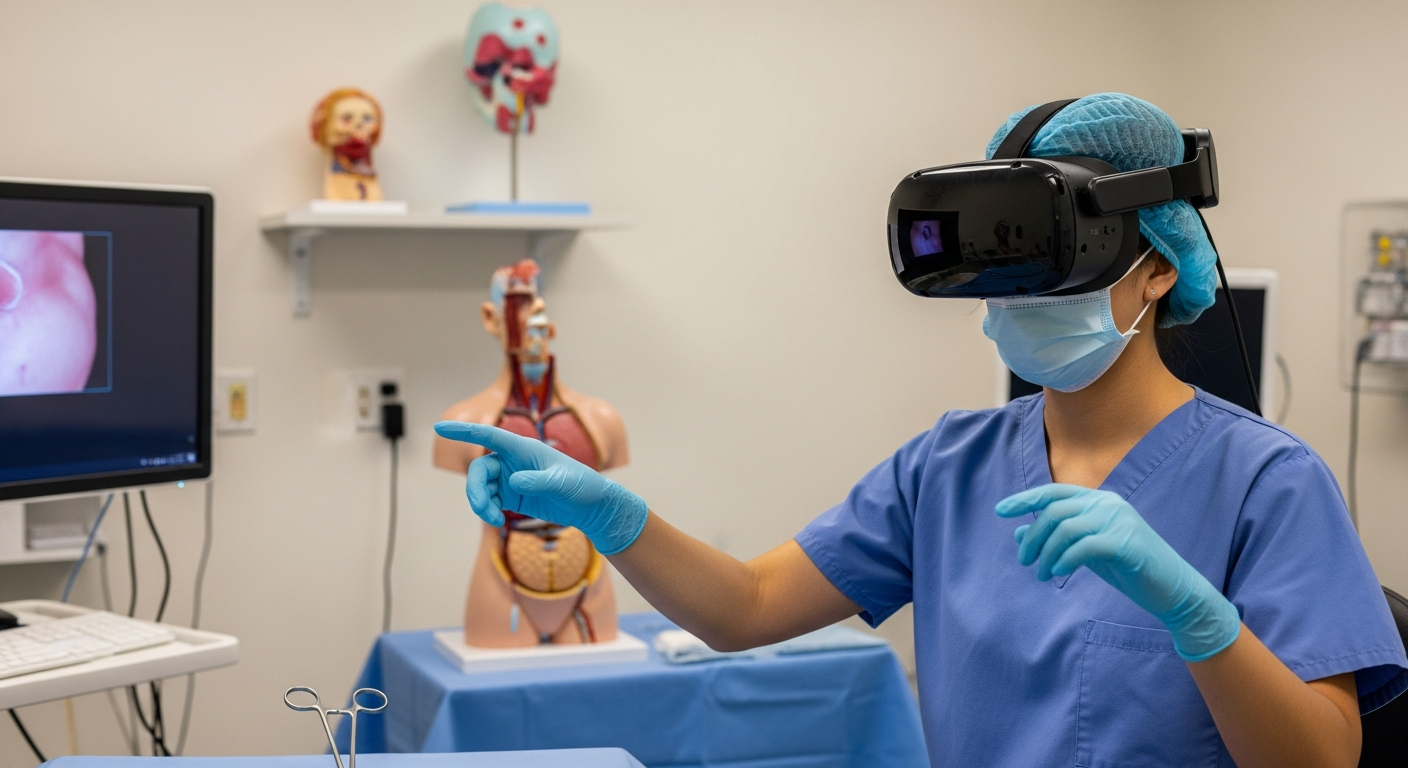
VR offers one of the most advanced tools for training doctors, nurses, and healthcare professionals. Immersive simulations allow learners to practice procedures, explore anatomy in 3D, and experience realistic medical scenarios without risk.
Key VR advantages in medical training:
High-fidelity anatomy visualization
Realistic emergency response simulations
Practice of rare or complex medical procedures
Gamified learning for higher retention
Assessment tools for skill evaluation
These innovations mirror the advancements highlighted in 3D Medical Training: A New Frontier in Healthcare.
In the future, VR will become a standard element of medical training curricula worldwide.
Surgical Planning, Simulation & Skill Development
VR enables surgeons to rehearse procedures inside fully interactive 3D environments built from real patient data (CT/MRI scans).
Future trends in VR surgical planning:
AI-enhanced surgical rehearsals
Realistic tissue behavior simulation
Precision-guided practice sessions
Team-based operating room simulations
Personalized 3D models generated instantly