Healthcare innovation is accelerating faster than at any point in medical history. With rapid advancements in spatial computing, immersive technologies, and intelligent digital systems, hospitals are shifting away from traditional analog workflows and adopting tools that enhance precision, improve collaboration, and elevate patient care. From XR-guided procedures and intelligent overlays to digital twins and immersive training environments, the future of healthcare is becoming deeply interactive and spatially intelligent.
What once lived in textbooks, 2D charts, and static simulations can now be explored in 3D environments that mirror real clinical conditions. Doctors can rehearse surgeries through digital twins. Nurses can follow holographic guidance at the bedside. Students can practice clinical skills inside virtual environments. And AI-supported overlays can assist clinicians with real-time decision-making. Together, these tools create a digital ecosystem where information becomes intuitive, visual, and seamlessly aligned with the physical world.
This guide explores the future of healthcare innovation, focusing on how spatial computing and immersive medical tools are shaping intelligent workflows and redefining modern care.
1. Spatial Computing: The New Backbone of Clinical Innovation
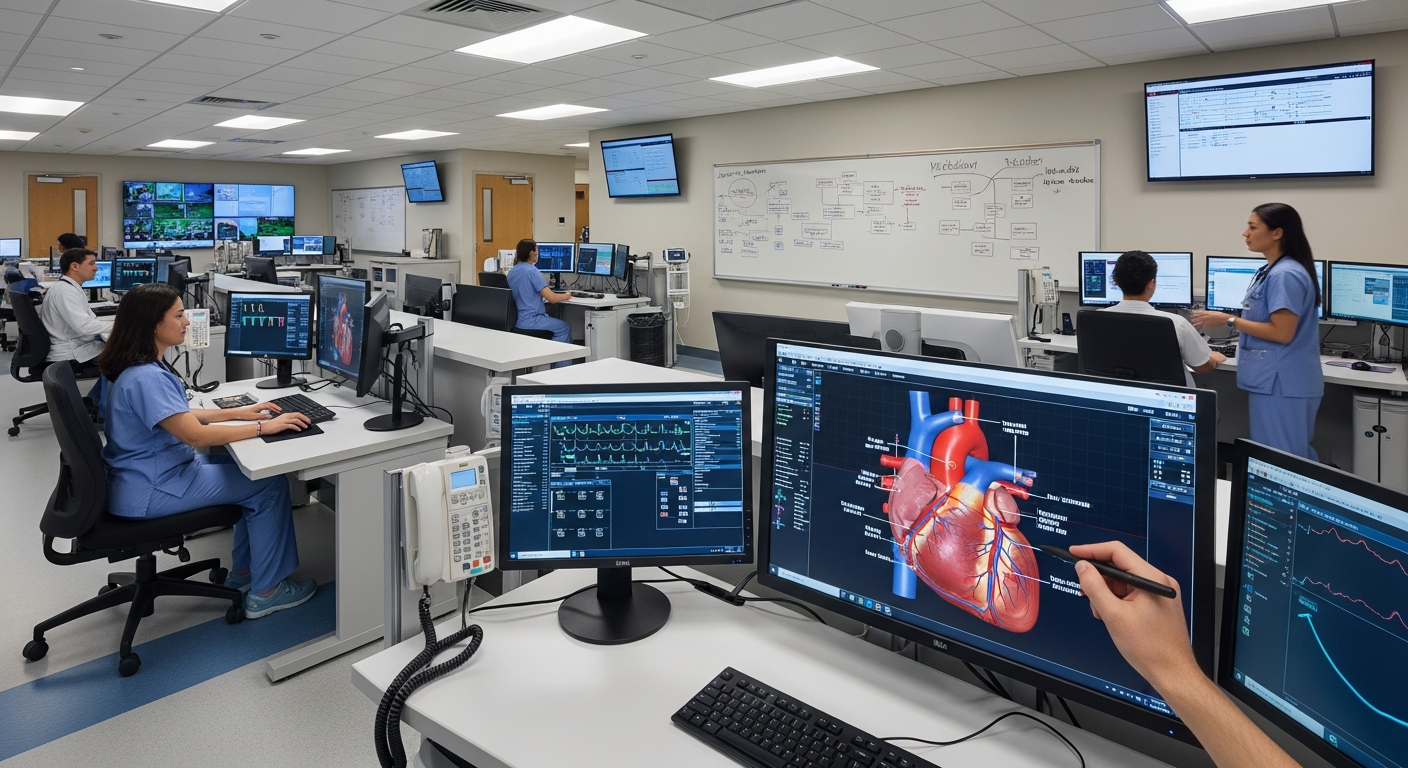
Spatial computing transforms digital health by understanding how people and objects interact within physical space. Instead of confining information to screens, spatial computing places insights inside the environment where care happens.
Healthcare teams use spatial systems similar to XTransforming Healthcare with Virtual and Mixed Reality to visualize equipment, patient data, and anatomical structures directly in the clinical setting.
Spatial computing supports:
context-aware AR overlays
holographic patient charts
room-level navigation guidance
digital twins anchored inside operations rooms
interactive 3D models for planning and education
This foundation enables immersive tools to operate with precision, awareness, and real-time relevance.
2. Intelligent AR Overlays That Guide Decisions
One of the most transformative innovations in healthcare is the rise of smart, AI-informed overlays visible through AR and MR devices. These overlays present clinicians with essential information precisely when and where they need it.
Examples include:
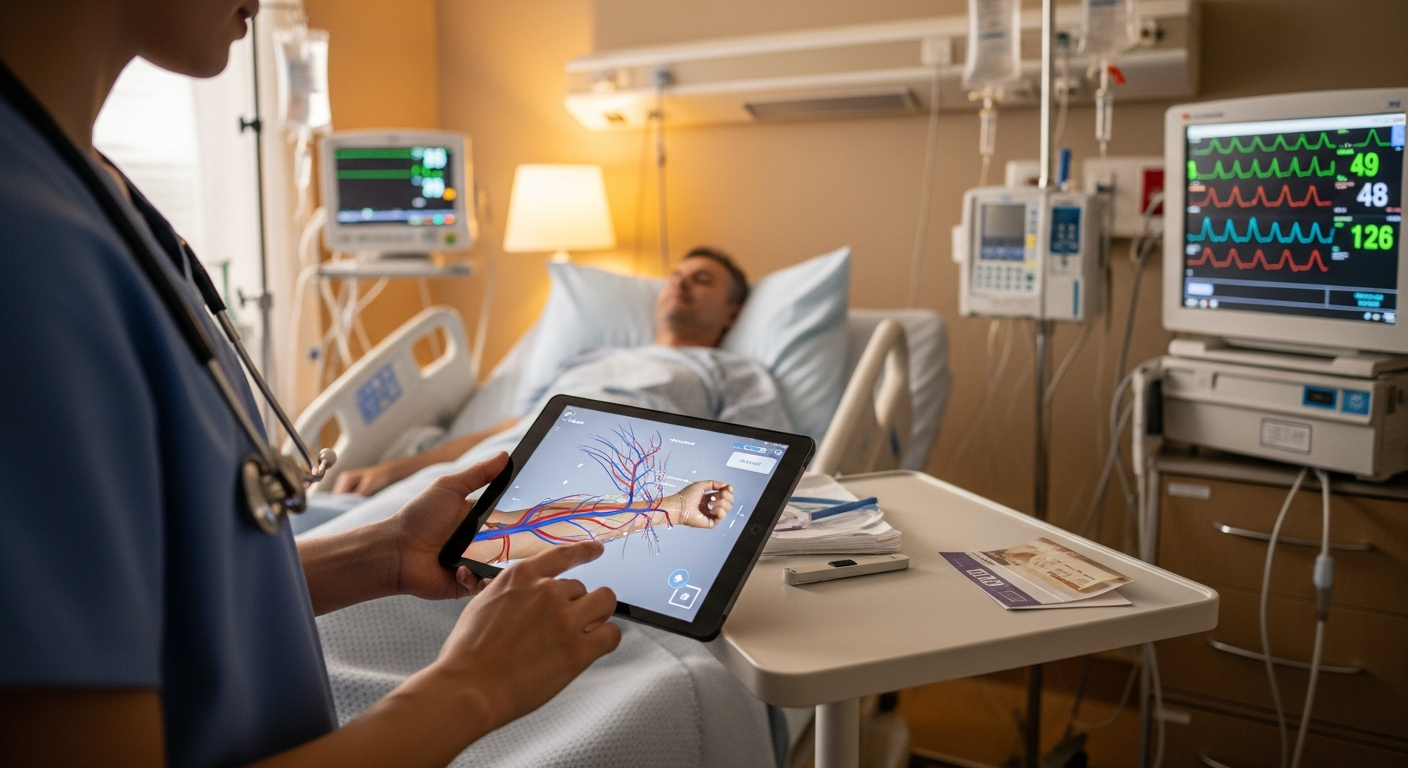
AR anatomy displayed above a patient
risk zones highlighted during incisions
holographic step-by-step procedural workflows
equipment labels and real-time instructions
vitals displayed near the patient bed
The intelligence behind these overlays is strengthened by AI systems similar to AI-powered healthcare support tools, which adapt recommendations based on patient data, procedure type, and clinician movement.
Clinical impact:
faster comprehension
reduced cognitive load
fewer errors
improved hand–eye coordination
better accuracy in complex procedures
AR guidance will soon become standard in surgical suites and bedside workflows.
3. Digital Twin Healthcare for Predictive Planning & Personalized Care
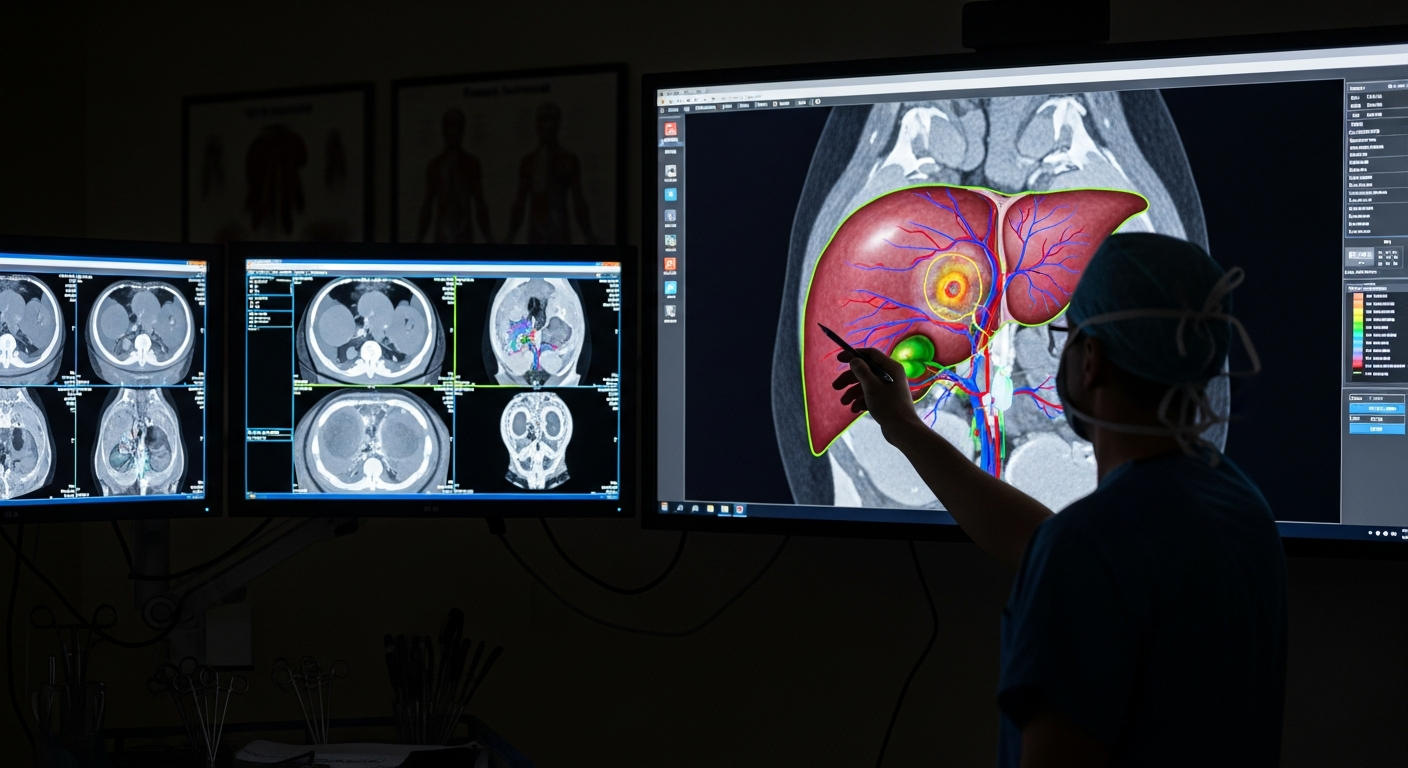
Digital twins are reshaping how clinicians understand patients. These virtual replicas use imaging data, physiological signals, and AI models to create dynamic, interactive versions of patients—or specific organs—that update in real time.
This technology reflects the capabilities of digital twin healthcare models improving planning and treatment, where surgeons rehearse operations using highly accurate virtual representations.