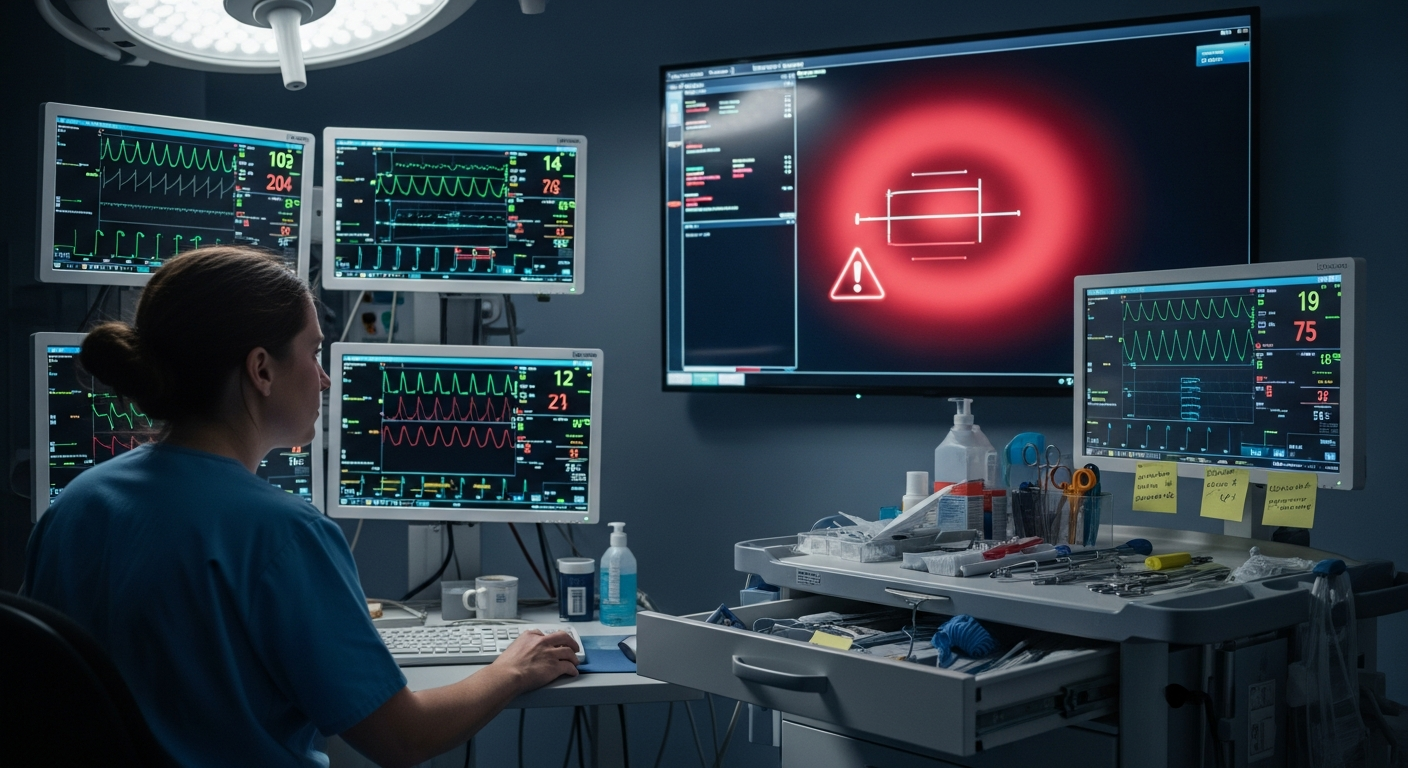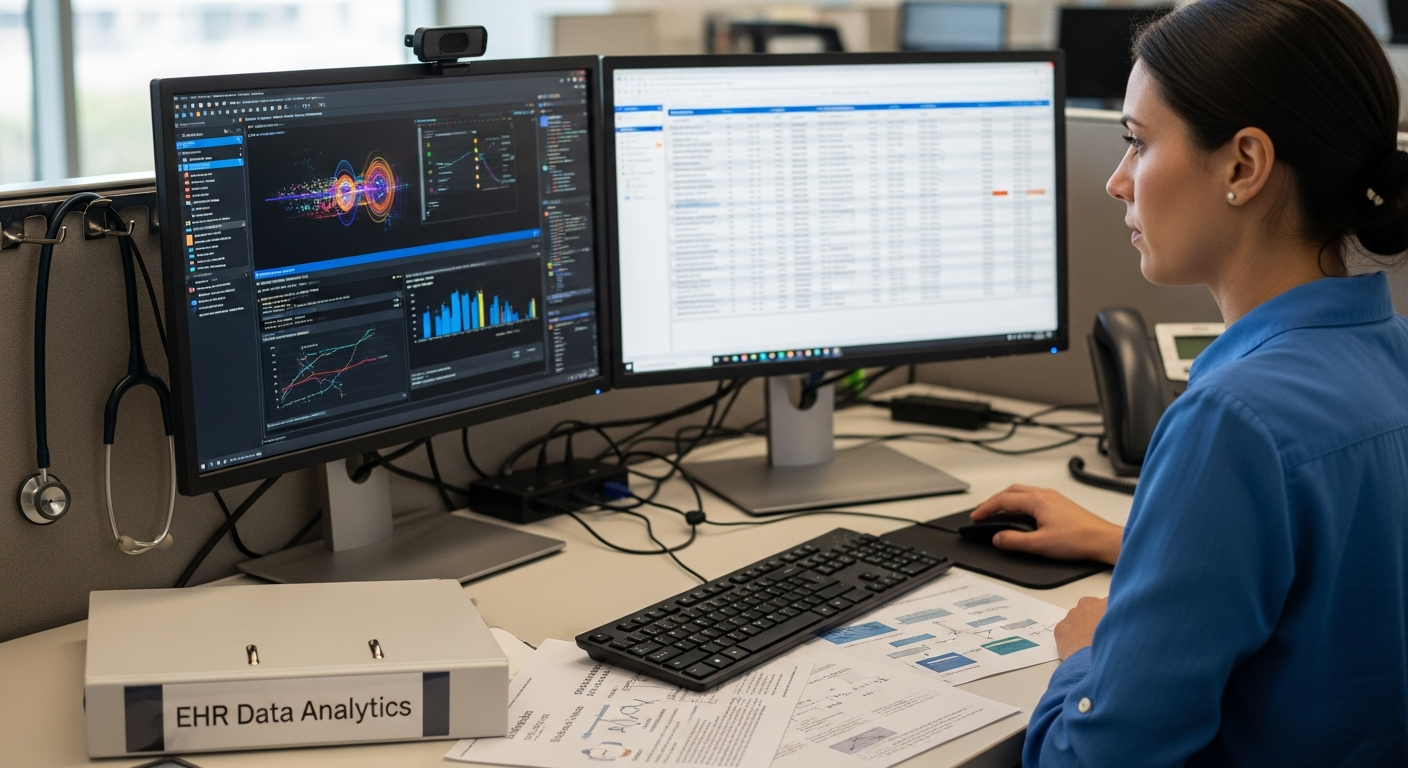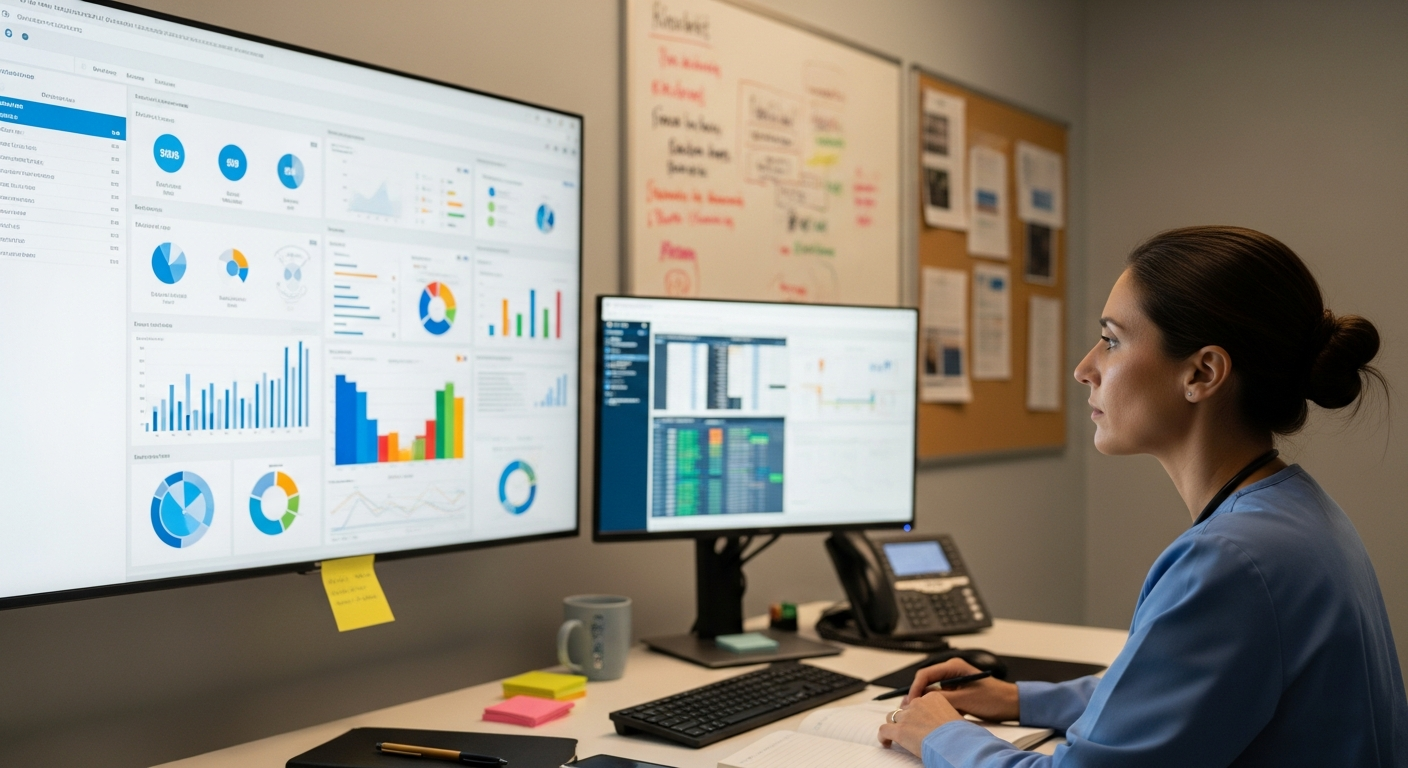
Predictive analytics has emerged as one of the most impactful tools in modern healthcare, helping hospitals anticipate risks, optimize operations, and improve patient outcomes with data-driven accuracy. Instead of reacting to problems after they occur, healthcare teams can now forecast them—whether identifying patients at high risk of deterioration, predicting emergency department surges, optimizing staffing levels, or preventing readmissions. Predictive analytics transforms raw medical data into actionable insights that guide smarter, faster decision-making across the entire hospital ecosystem.
As healthcare systems increasingly face overwhelming patient loads, staffing shortages, and rising operational costs, predictive analytics brings clarity and control. When combined with AI, machine learning, and digital health technologies—similar to those detailed in how AI in healthcare is improving patient support—predictive analytics helps clinicians and administrators make more informed choices that enhance both efficiency and patient safety.
This guide explains what predictive analytics in healthcare is, how it works, and why it is becoming essential for hospital decision-making.
What Is Predictive Analytics in Healthcare?
Predictive analytics uses historical data, real-time inputs, machine learning algorithms, and statistical models to identify patterns and forecast future outcomes. In healthcare, it helps hospitals anticipate risks, patient needs, resource demand, and operational bottlenecks before they happen.
Predictive analytics can forecast:
Patient deterioration
Readmission risk
Disease progression
Emergency department surges
Staffing and bed shortages
ICU occupancy
Medication response
Equipment usage
Hospital workflow inefficiencies
Predictive analytics gives hospitals a clearer picture of what is coming—empowering leadership to act early rather than react too late.
Why Predictive Analytics Matters in Modern Healthcare?
Healthcare is complex. Each shift involves:
Thousands of data points
EHR entries
Vital signs
Lab results
Medication changes
Staffing decisions
Patient flow variations
Humans alone cannot process this level of data quickly enough to find patterns. Predictive analytics does this at scale.
It transforms:
Data → Insight
Insight → Action
Action → Better outcomes
This aligns with broader digital transformation trends explored in Pioneering Innovations in Healthcare Technology.
How Predictive Analytics Works in Healthcare?
Predictive analytics uses several layers of technology to deliver accurate forecasts.
1. Data Collection
Pulls information from:
EHRs
Wearables
Imaging
Lab results
Monitoring devices
Historical hospital data
2. Data Cleaning & Structuring
Models process structured and unstructured data (including free-text clinical notes).
3. Machine Learning Algorithms
ML models detect patterns in:
Vital signs
Trends
Symptoms
Treatment responses
Patient demographics
4. Predictive Modeling
Algorithms generate predictions based on:
Probability
Risk scoring
Pattern recognition
5. Real-Time Insights
Clinicians receive instant alerts or dashboard visualizations.
6. Decision Integration
Hospitals integrate predictions into daily workflows, staffing, and care coordination.
Predictive analytics augments clinical judgment—not replaces it.
How Predictive Analytics Supports Hospital Decision-Making?
Below is a balanced, narrative-driven breakdown of how hospitals use predictive analytics to improve decision-making at every level.