How can medical device training become more consistent, measurable and accessible without weakening supervised practice?
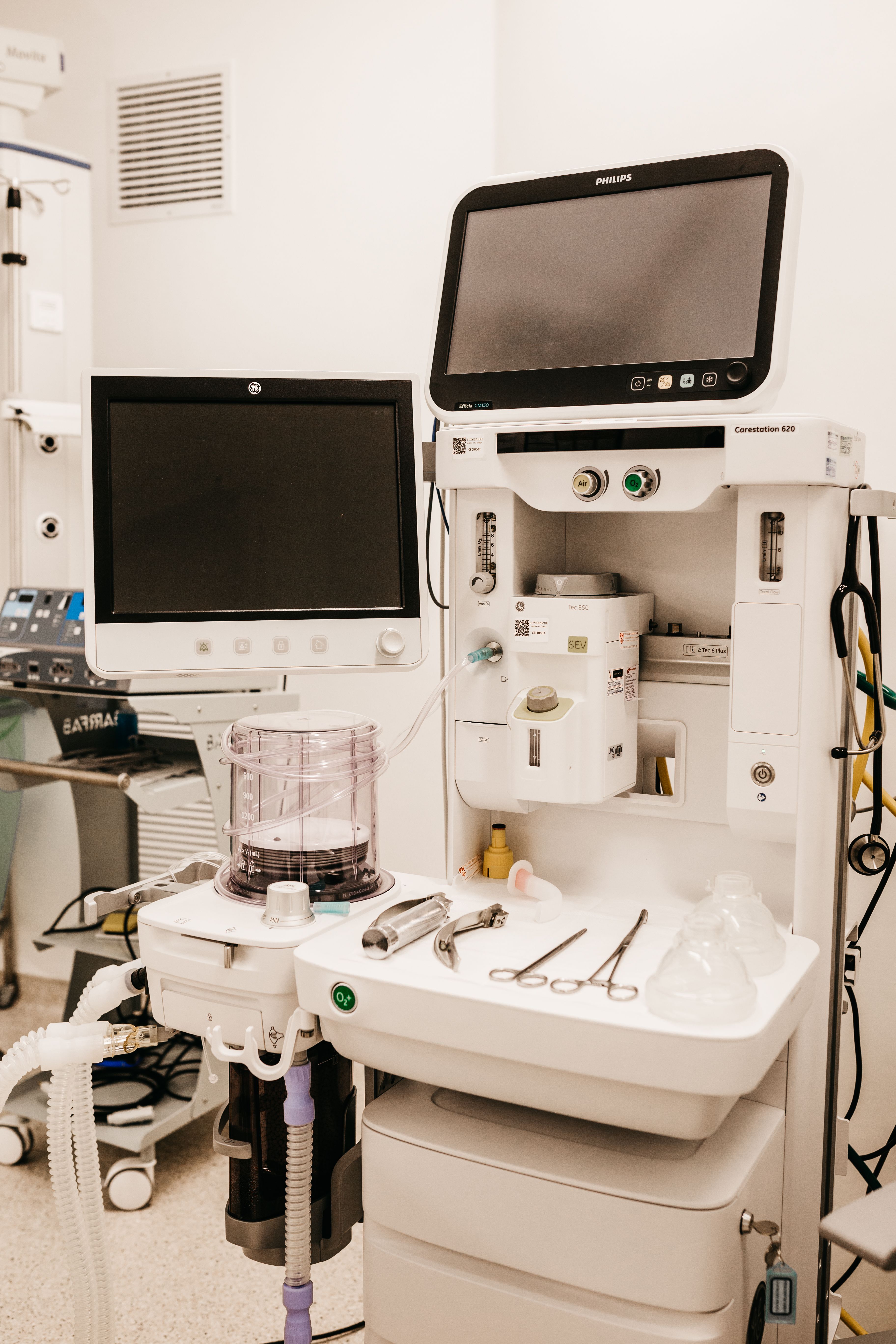
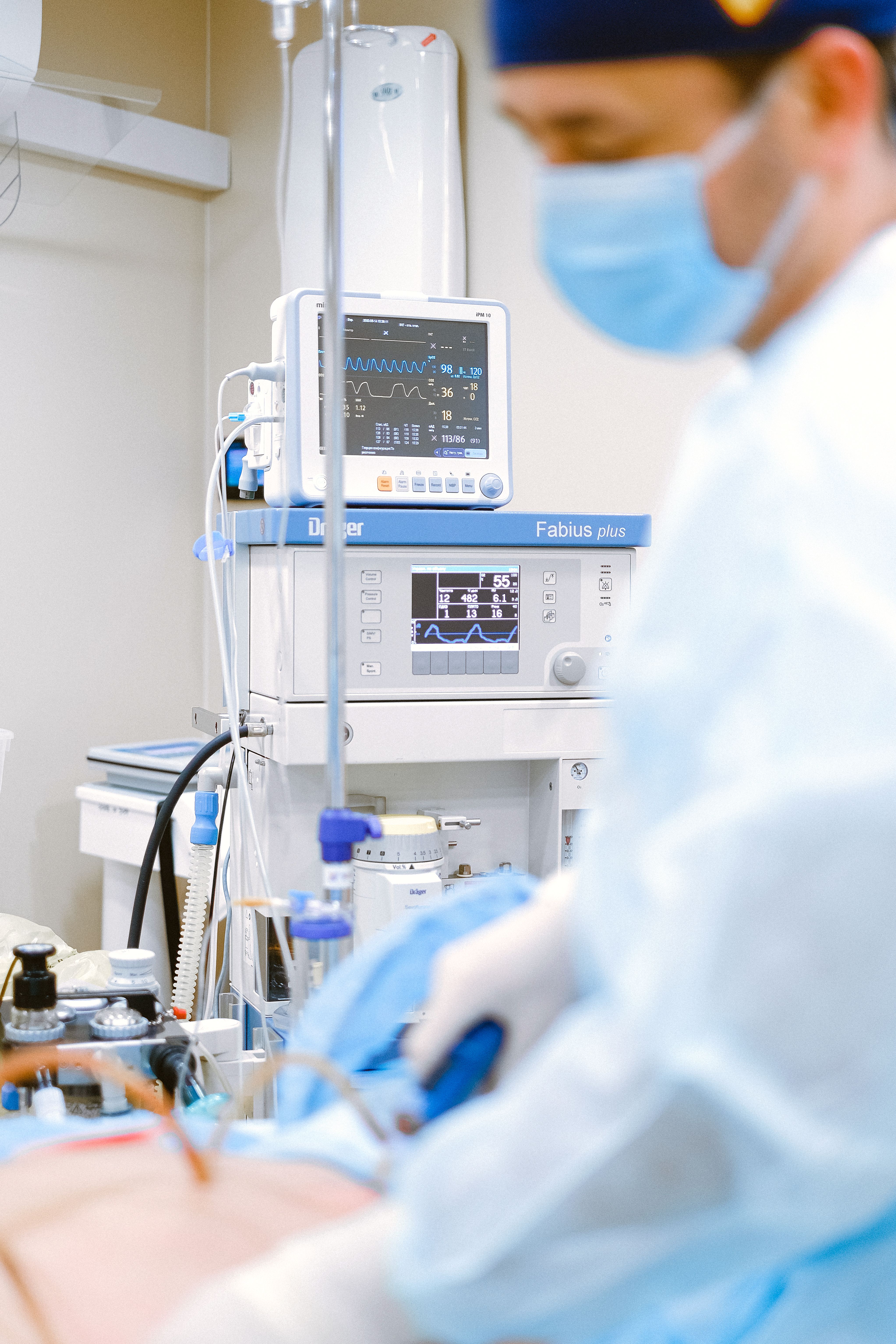
Medical devices can be difficult to teach because the learner must understand the equipment, the clinical context and the consequences of every action. Classroom slides explain concepts, while physical labs provide essential hands-on experience. Yet both approaches can be limited by device availability, instructor time, consumable costs and the difficulty of reproducing unusual or high-risk events.
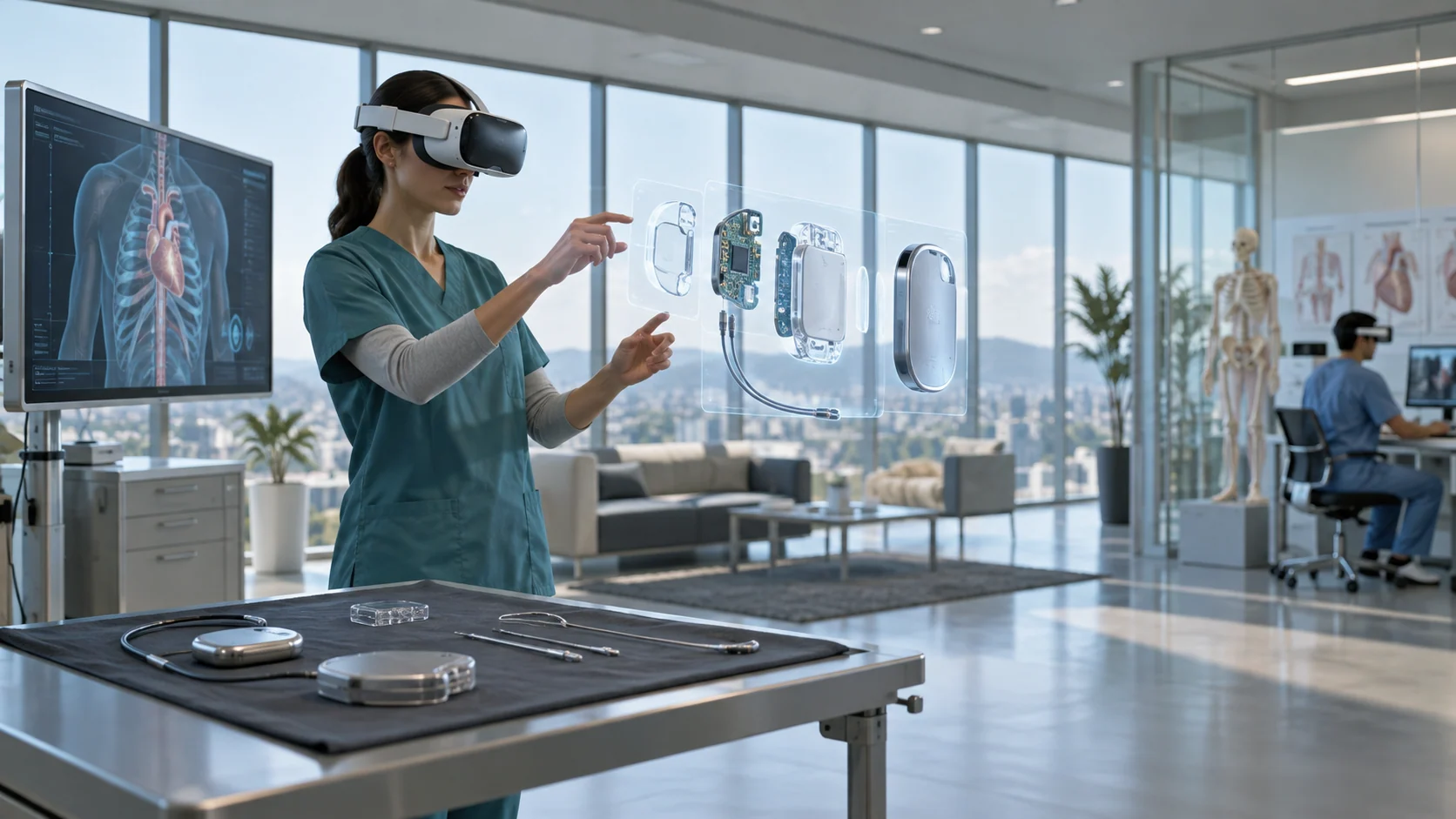
Extended reality adds a repeatable practice layer. A learner can enter a virtual treatment space, inspect a device, follow an approved sequence, respond to alarms and receive a structured debrief. The experience can use the same assets and interaction principles found in Mimic Health XR’s 3D medical simulations, while remaining tied to the manufacturer’s instructions and the organization’s competency process.
Table of Contents
What Medical Device Training Needs to Achieve
Medical device training should help the learner perform a defined task correctly in a real workflow. That means understanding what the device is for, recognizing its parts, preparing the environment, completing the operating sequence, interpreting feedback and responding appropriately when something goes wrong. Knowledge matters, but safe performance is the outcome.
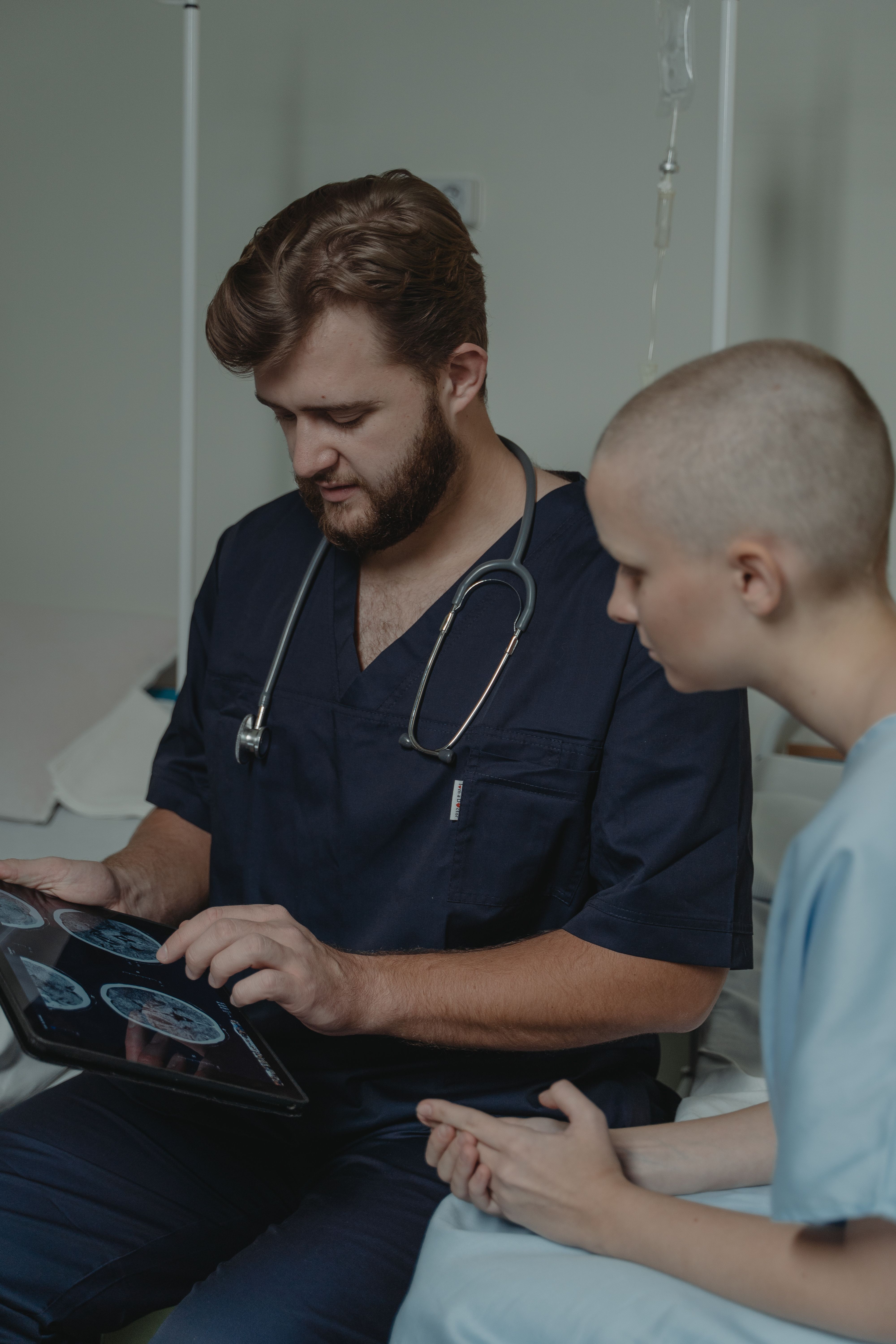
The audience may include clinicians, biomedical engineers, technicians, sales specialists, patients or caregivers. Each role needs a different level of detail. A clinician may need scenario-based practice and competency assessment. A technician may focus on maintenance and fault isolation. A patient may need plain-language guidance for home use, including when to stop and contact the care team.