Digital health technology has become one of the most transformative forces in modern healthcare. From AI-assisted diagnosis and XR-based medical training to real-time patient monitoring and remote care, digital tools are enabling faster workflows, earlier detection, personalized care plans, and greater efficiency across hospitals and clinics. What once required physical presence, manual documentation, or resource-heavy equipment can now be performed virtually, automated intelligently, or analyzed in real time.
As healthcare systems face growing demands, workforce shortages, and rising chronic disease rates, digital technologies provide the precision, scalability, and speed needed to deliver high-quality care. They empower clinicians with better insights, support patients outside hospital walls, and improve medical education with immersive simulations. Digital health technology is no longer a “future trend”—it is the new foundation of modern medicine.
This guide explores what digital health technology is, how it improves diagnosis, training, and monitoring, and why it’s becoming essential for the future of healthcare.
What Is Digital Health Technology?
Digital health technology includes the software, devices, platforms, and intelligent systems that improve healthcare delivery. It integrates AI, XR, mobile tools, data analytics, cloud systems, wearables, telehealth, and digital therapeutics into one connected ecosystem.
It aligns closely with the broader innovations explained in how AI in healthcare is improving patient support, which shows how digital solutions enhance both clinical work and patient experience.
Digital health technologies include:
AI and clinical decision support
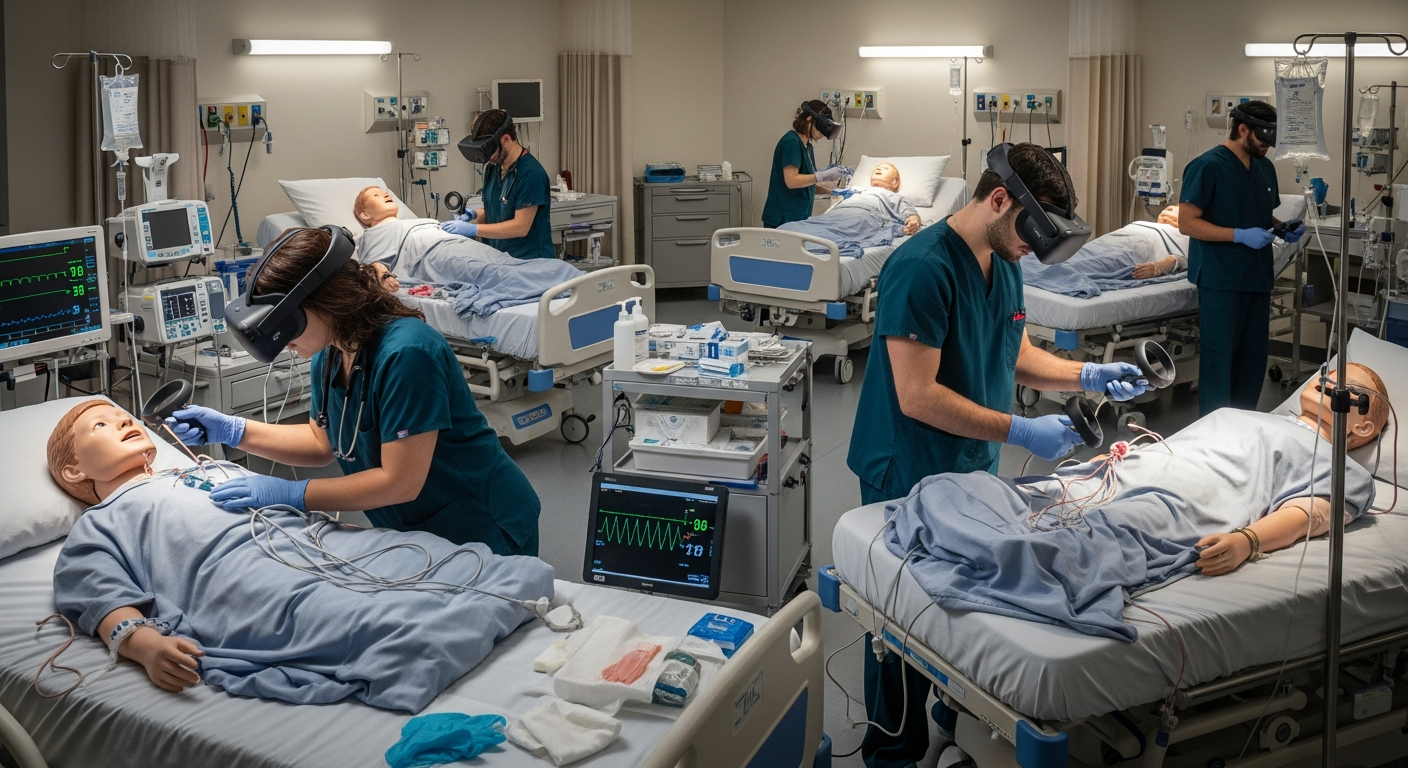
XR medical simulation
Telehealth platforms
Wearable monitoring devices
Remote patient monitoring systems
Digital therapeutics
Health data analytics
Digital training simulations
EHR-integrated automation
Cloud-based care platforms
These tools modernize diagnosis, improve training outcomes, and elevate patient monitoring.
Why Digital Health Technology Is Rising Rapidly?
Healthcare demands have outpaced the capacity of traditional systems. Digital health solves multiple pain points:
Shortage of clinical staff
Increasing chronic disease burden
Need for faster diagnosis
Patient demand for remote care
Administrative overload
Training cost limitations
Need for standardization and consistency
As highlighted inPioneering Innovations in Healthcare TechnologyPioneering Innovations in Healthcare Technology, digital transformation is reshaping every clinical workflow.
Digital Health Technology in Diagnosis
Improving diagnosis is one of the most valuable impacts of digital health technology. Early detection saves lives, reduces complications, and lowers treatment costs.
1. AI-Powered Diagnostic Tools
AI models analyze:
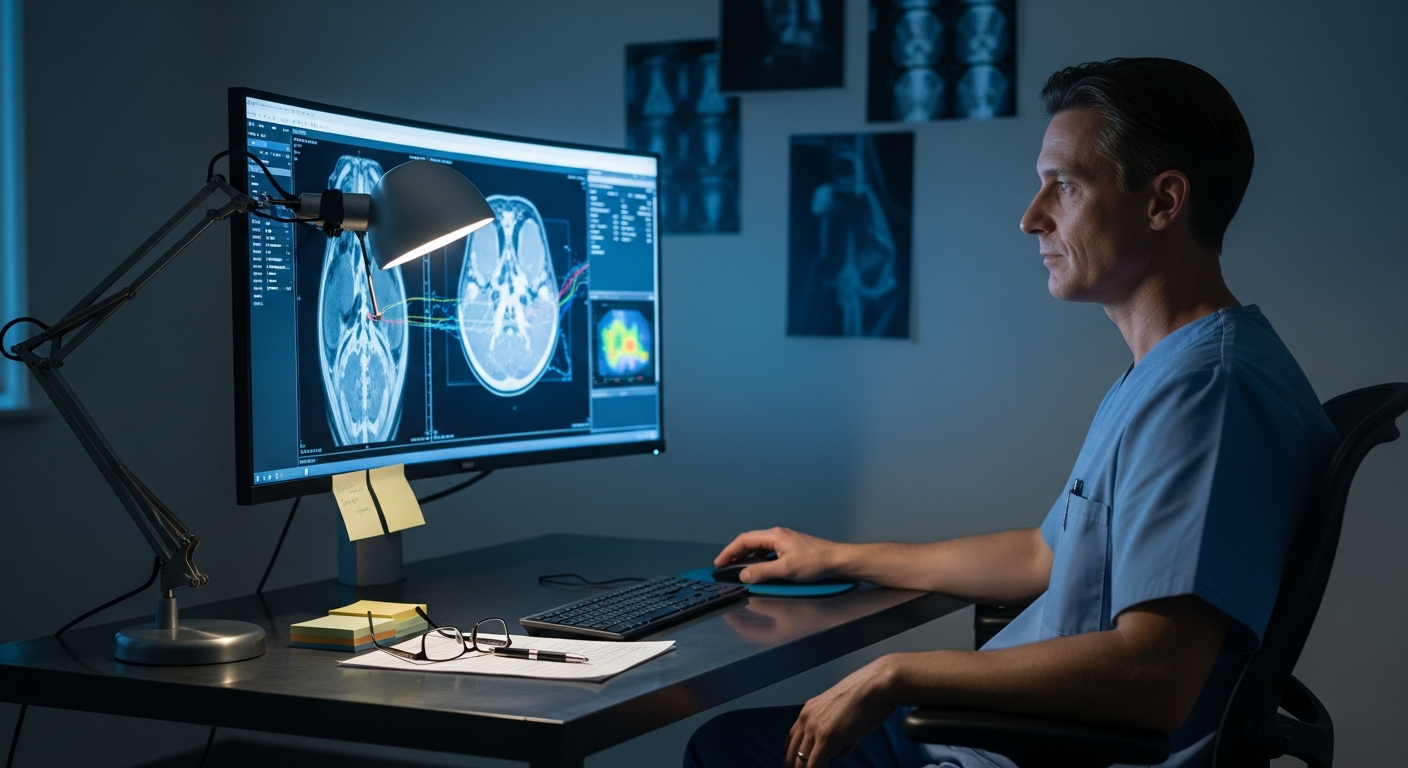
Medical images (X-rays, MRIs, CT scans)
Lab data
Pathology slides
Vitals and patient history
AI detects patterns that humans may miss, sometimes with higher precision.
2. Clinical Decision Support Systems (CDSS)
CDSS tools integrate with EHR systems to:
Flag risk conditions
Suggest differential diagnoses
Recommend treatment guidelines
Identify drug interactions