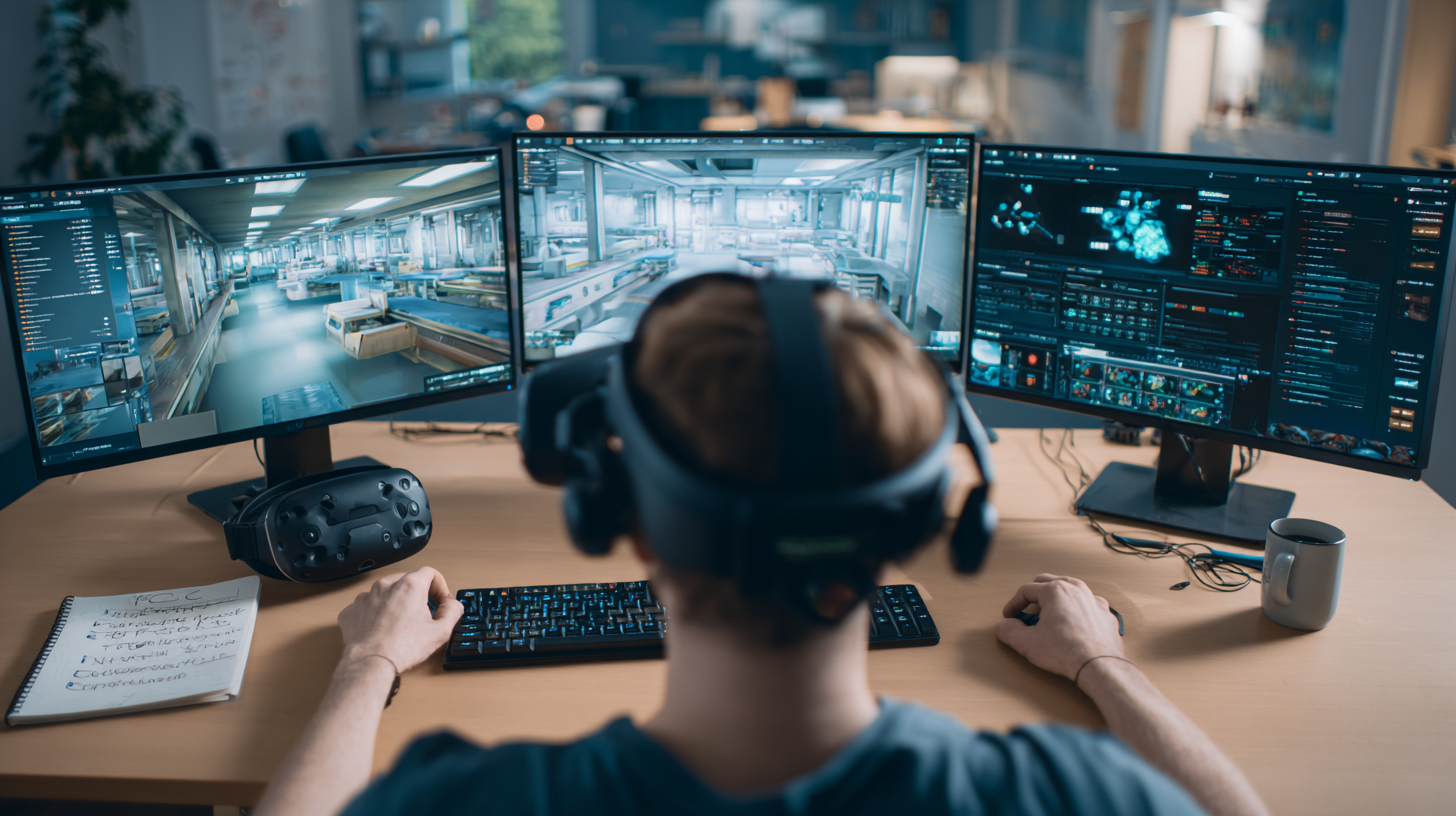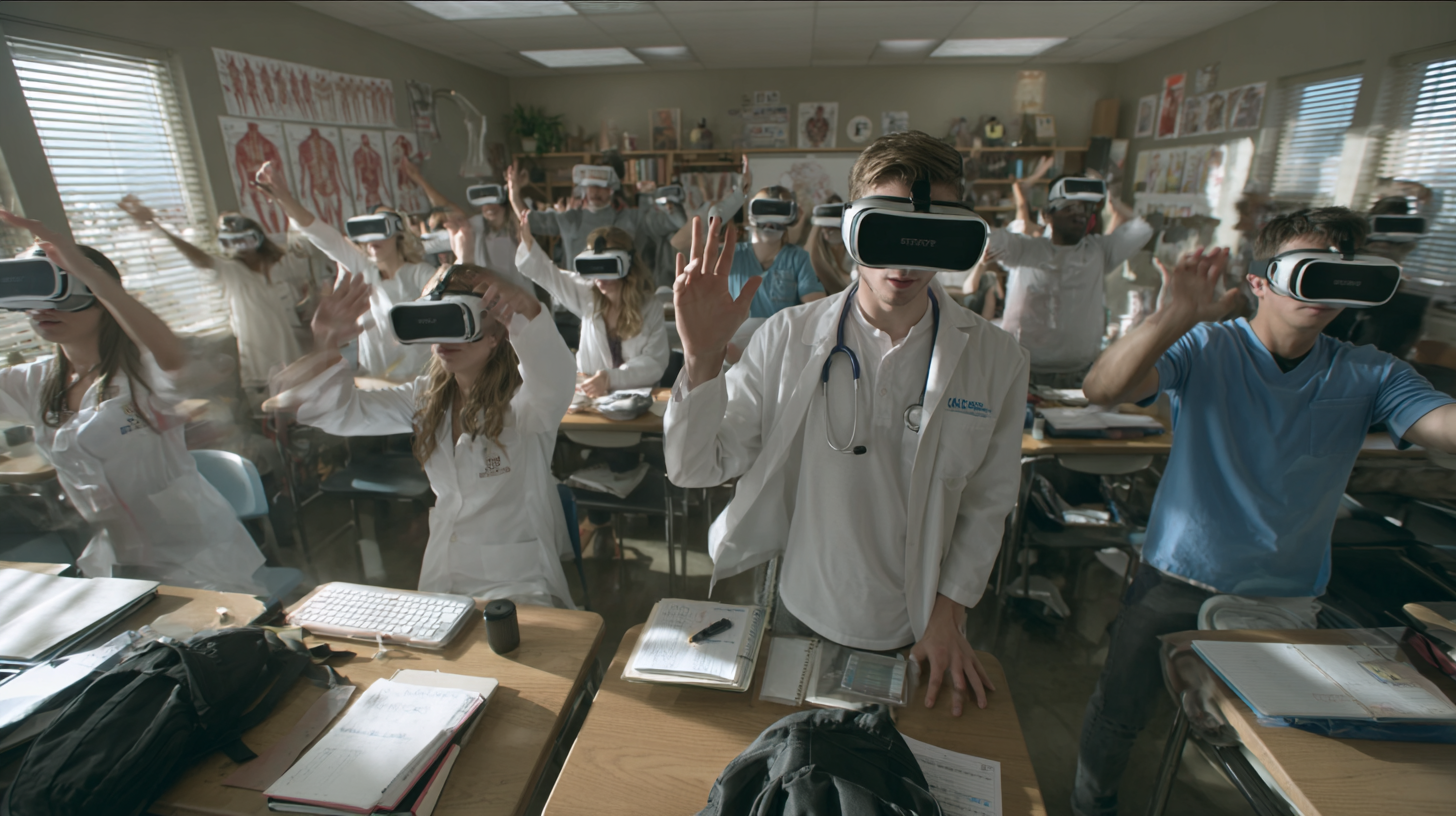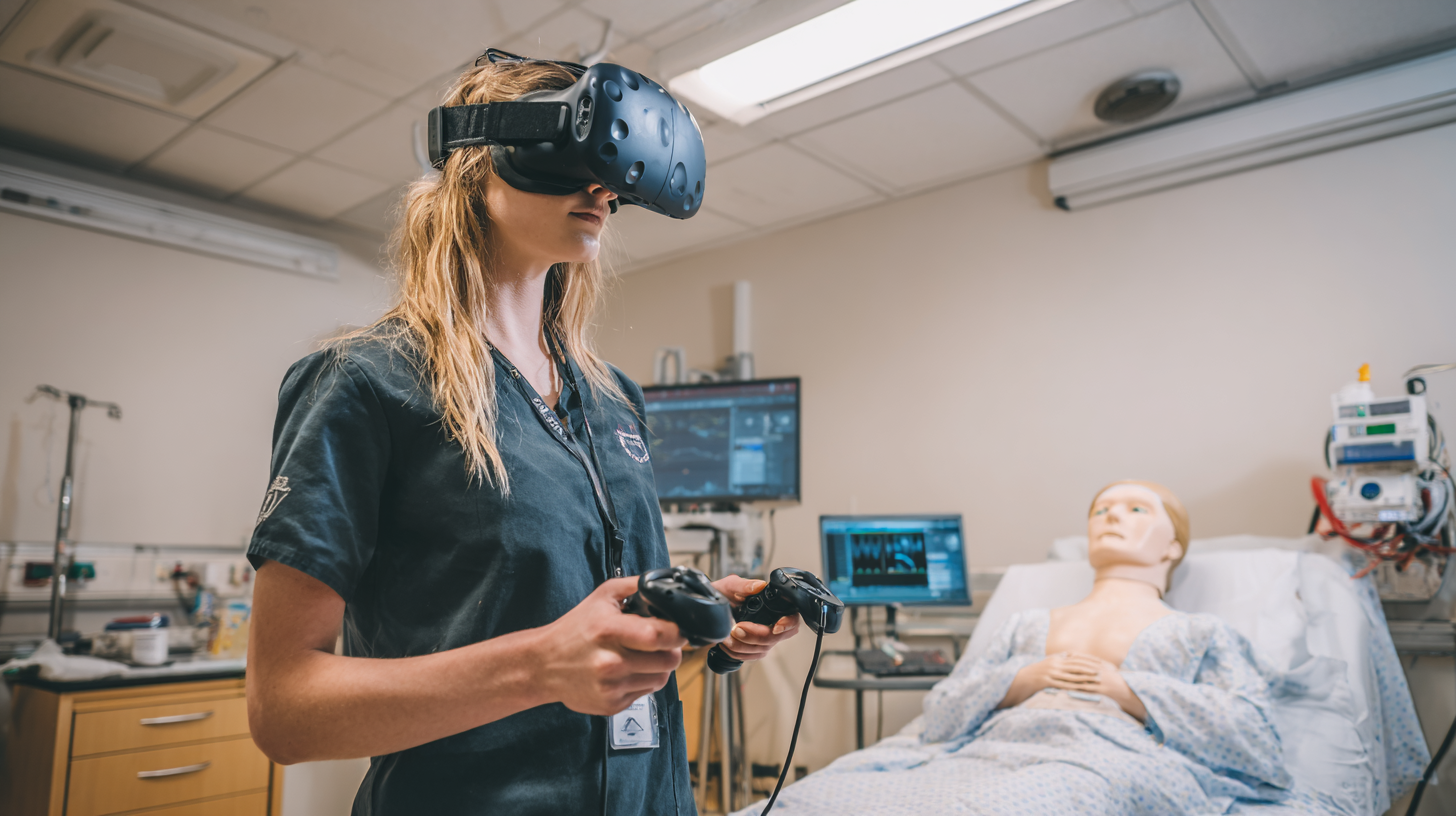
VR healthcare simulation is reshaping how medical professionals learn, practice, and refine clinical skills. Instead of relying solely on textbooks, mannequins, or observation-based training, VR simulation allows learners to step inside realistic 3D environments where they can interact with patients, handle medical tools, and navigate high-stakes situations with full immersion. This hands-on virtual method dramatically improves confidence, accuracy, and skill retention—making it one of the most transformative technologies in modern medical education.
From emergency response scenarios and anatomy exploration to surgical walkthroughs and procedural training, VR creates controlled, safe, and repeatable learning conditions. Doctors, nurses, technicians, students, and even experienced surgeons can practice complex skills without risk, pressure, or dependence on real patient availability. As healthcare systems become more demanding, VR simulation is helping institutions train faster, reduce errors, and improve outcomes.
This guide breaks down what VR healthcare simulation is, how it works, and why organizations are adopting it to elevate medical training and skill development.
What Is VR Healthcare Simulation?
VR healthcare simulation uses Virtual Reality technology to create lifelike medical environments where learners can perform procedures, practice decision-making, and interact with virtual patients. Instead of watching or reading, trainees actively experience scenarios inside fully immersive digital spaces.
The foundations of VR medical education are covered in how VR medical training is changing medical education, which explores why VR has become essential for hands-on medical learning.
VR healthcare simulation enables users to:
Practice surgical steps
Explore human anatomy
Learn medical equipment
Respond to emergencies
Communicate with virtual patients
Make decisions under pressure
Receive real-time performance feedback
VR turns theoretical knowledge into practical competence.
Why VR Simulation Matters in Medical Training?
Traditional medical training—while valuable—has limitations. Students may not always have access to real patients, may face scheduling conflicts, or may not encounter enough diverse cases to build expert-level experience.
VR simulation solves these challenges by offering:
1. Unlimited Practice
Learners can repeat procedures until confident—without consuming resources or requiring live supervision.
2. Safe Exposure to High-Risk Scenarios
From cardiac arrest to trauma surgery, VR lets trainees experience emergencies without real-world danger.
3. Consistent, Standardized Training
Every learner receives identical training experiences, ensuring fairness and competency.
4. Immediate, Data-Driven Feedback
Systems track performance metrics automatically:
accuracy
timing
errors
decision patterns
5. Higher Retention and Confidence
Immersion enhances learning by activating memory, emotion, and spatial understanding.
VR makes medical training immersive, scalable, and equitable.