← All insights

Healthcare journal

Why Hospitals Are Rapidly Adopting AR in Healthcare for Accuracy and Efficiency?

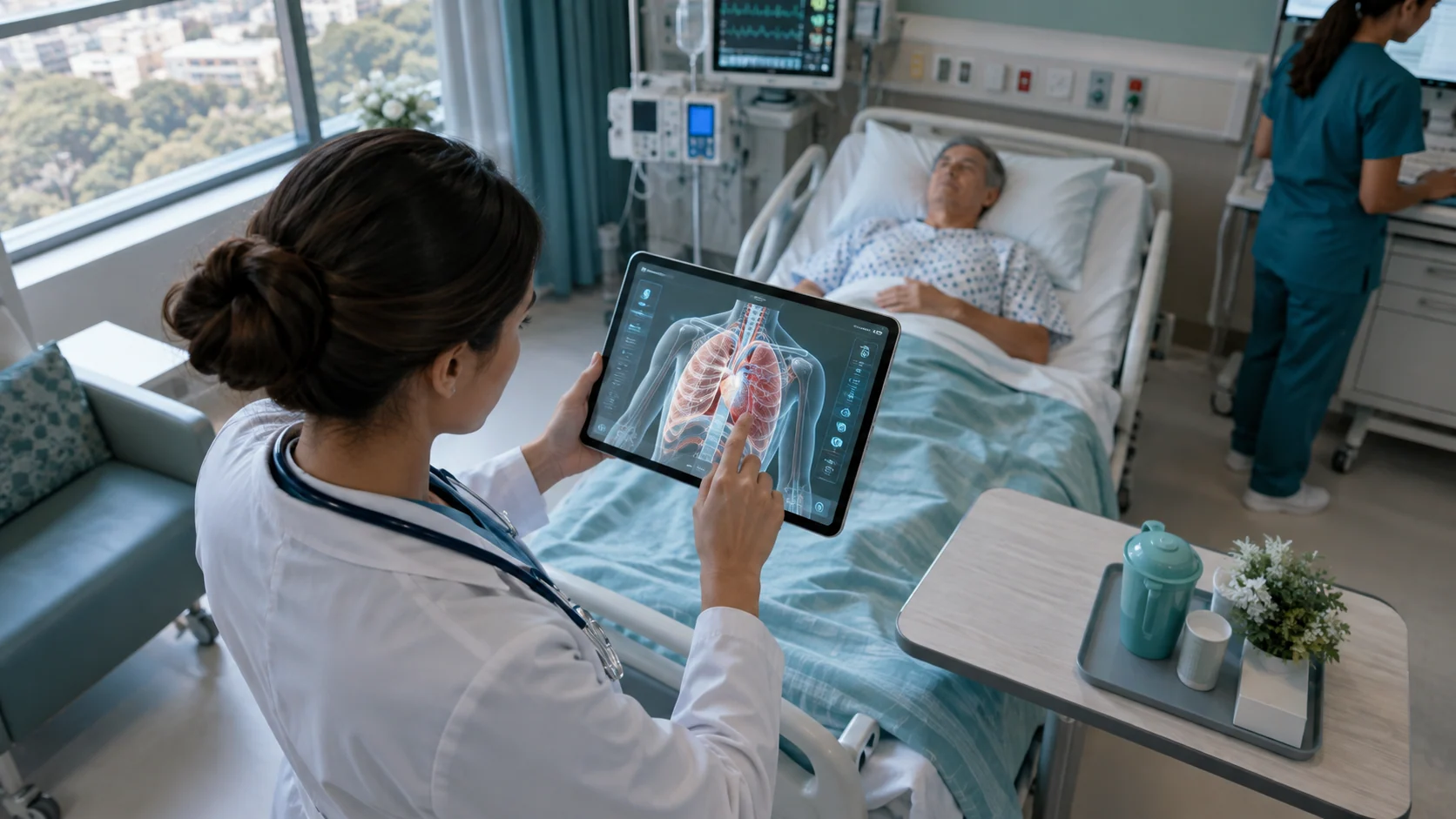
Concept illustration: Why Hospitals Are Rapidly Adopting AR in Healthcare for Accuracy and Efficiency

Hospital teams considering AR need to assess a specific product and workflow rather than assume that overlays improve accuracy or efficiency. This guide focuses on procurement questions, deployment conditions and acceptance testing. The doctors-and-students guide covers the design of AR teaching activities.

Ask suppliers to demonstrate the proposed workflow

Give suppliers the same task brief and ask them to show setup, use, failure handling and removal from service. Record device requirements, content maintenance, integration dependencies and support arrangements. Include the staff responsible for operating and maintaining the equipment in the review.

Define acceptance criteria before the demonstration: readable information, appropriate access controls, predictable handling of unavailable data and a practical fallback. Request evidence for the product’s intended use from the relevant reviewers. Treat claims about accuracy, speed or reduced errors as questions to assess, not as purchasing assumptions.
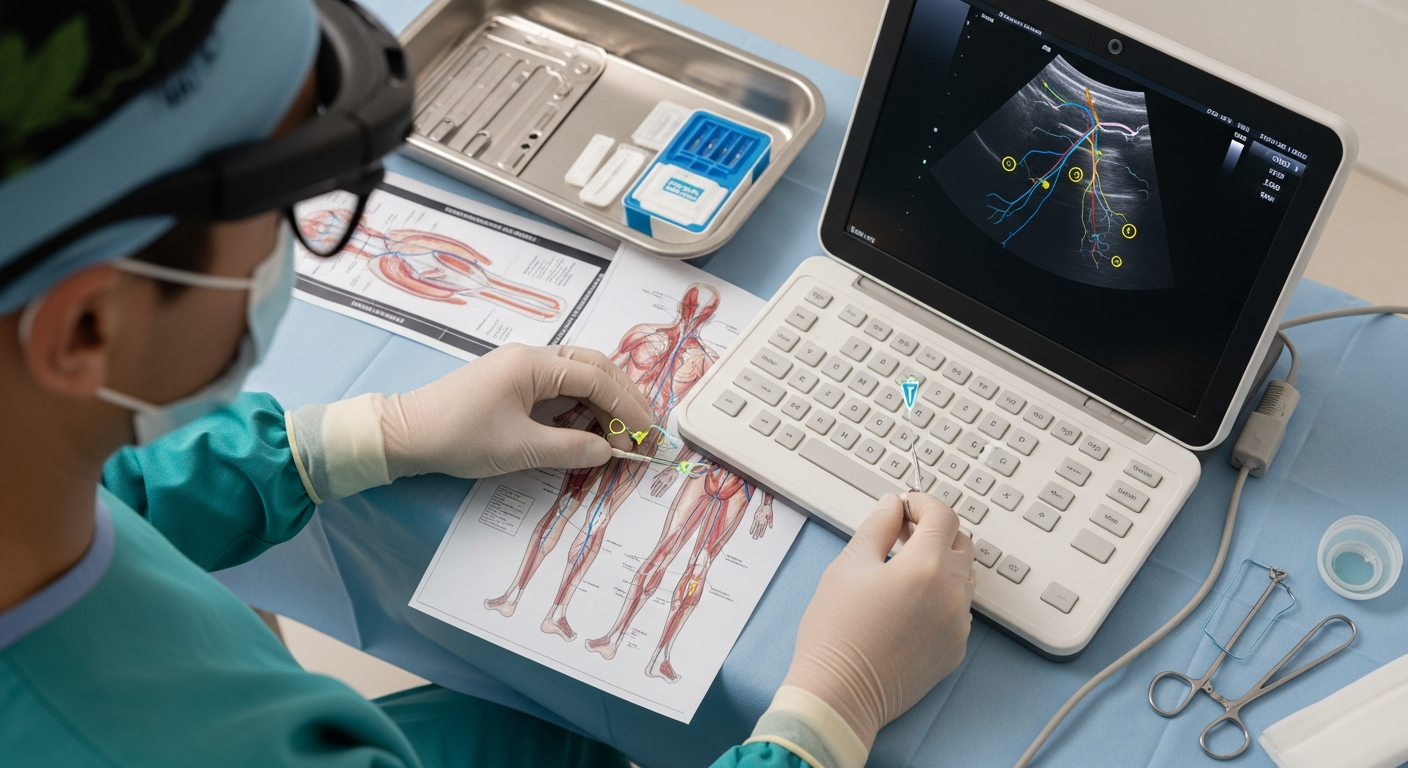
A realistic depiction of AR-enhanced procedural preparation using on-device anatomical guidance.

AR Improves Efficiency on the Clinical Floor

Efficiency is crucial in hospital operations. AR improves efficiency through:

  • hands-free instructions

  • automated compliance reminders

  • clean workflow visualization

  • quicker onboarding for new staff

  • Reduced manual documentation

  • faster equipment identification


Nurses, technicians, and assistants benefit from AR-supported routines that show the correct steps without requiring verbal supervision.


AR Enhances Surgical Planning and Preparation

AR supports preoperative planning by displaying accurate, patient-specific visuals inside the operating space.


These visuals may include:

  • projected incision paths

  • 3D holograms of tumor shapes

  • vessel route visualization

  • reconstructed anatomy from scans


AR is even more powerful when combined with patient-specific data models such as digital twin models, improving accuracy in treatment planning.


This combination prepares surgical teams more thoroughly before the first incision is made.


A realistic depiction of AR-enhanced procedural preparation using on-device anatomical guidance.

Related reading

Back to insights