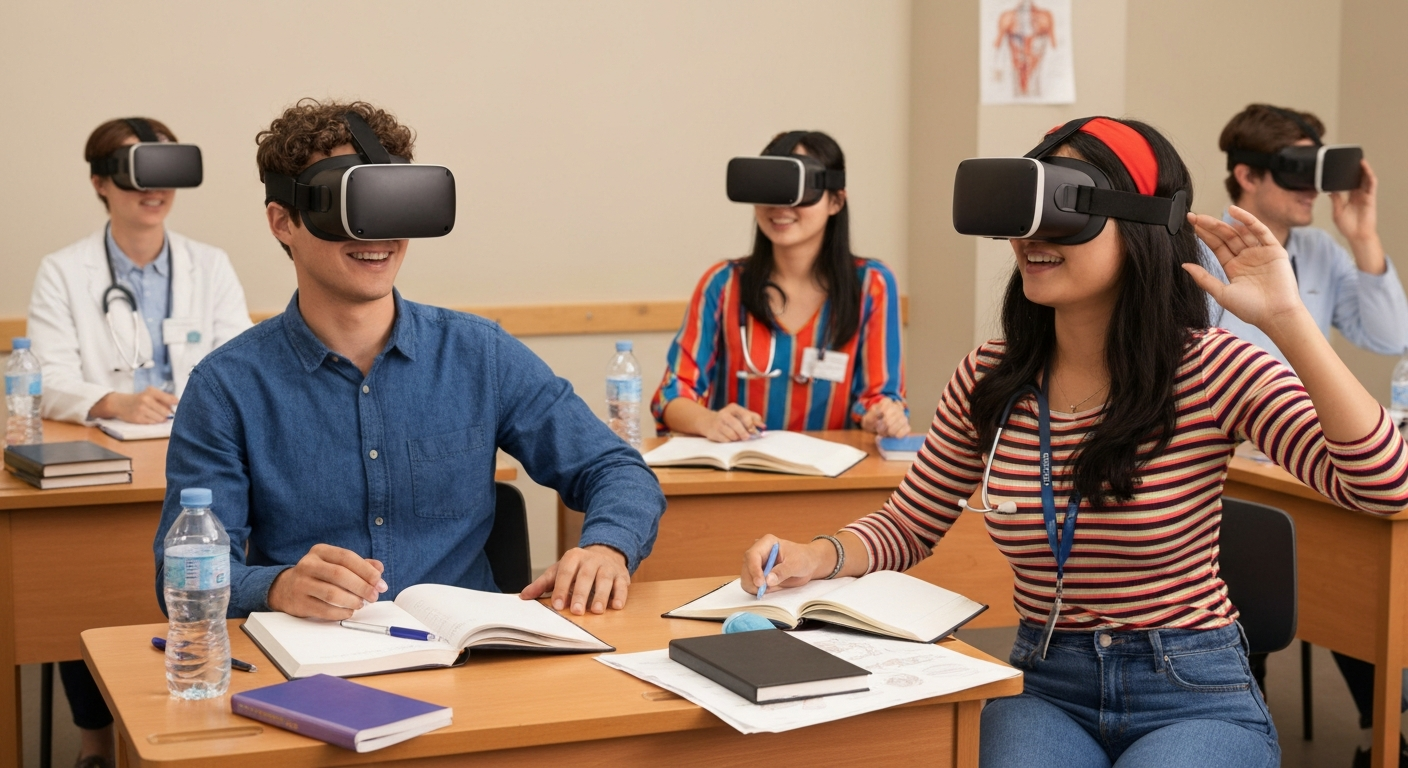
Virtual patient simulation has become one of the most valuable innovations in medical education. Instead of relying solely on textbooks, standardized patients, or observation-based clinical rotations, students and healthcare professionals can now train with highly realistic virtual patients inside interactive digital environments. These simulations allow learners to practice diagnosis, communication, clinical reasoning, and procedural skills in a safe and repeatable format—without any risk to real patients.
Medical education is evolving rapidly, and virtual patient simulation tools are at the center of this transformation. With lifelike avatars, adaptive AI, real-time feedback, and immersive XR interfaces, students gain experience across a broad spectrum of clinical cases—many of which are too rare, dangerous, or resource-intensive to practice in real life. These simulations increase competency, reduce training variability, and help prepare the next generation of doctors, nurses, and clinicians for real-world challenges.
This guide explores what virtual patient simulation is, the tools behind it, and why modern medical education depends on it.
What Is Virtual Patient Simulation?
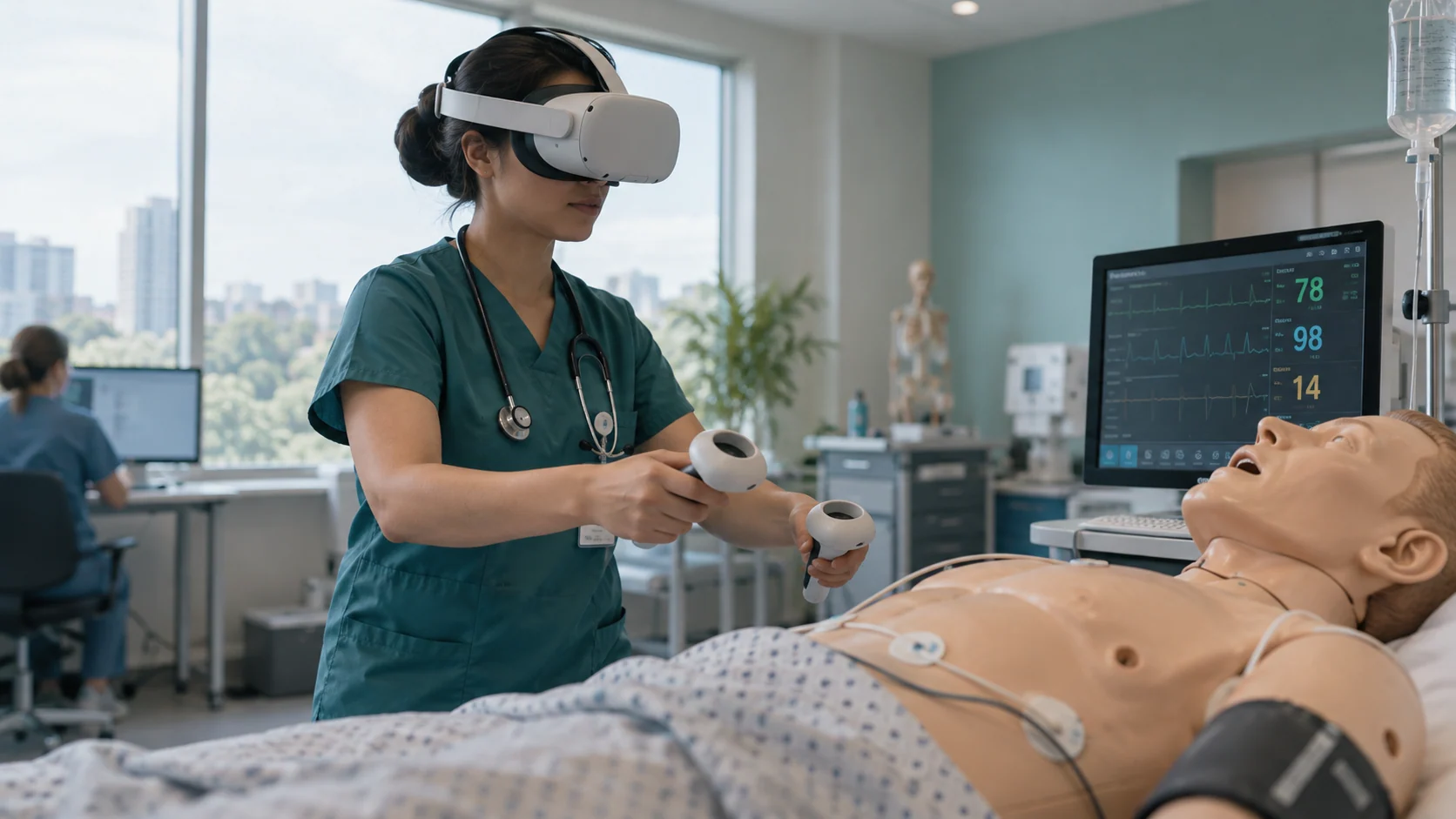
Virtual patient simulation is the use of computer-generated digital patients—often powered by AI and XR—to simulate real clinical encounters. Learners interact with virtual patients the same way they would with real ones: by asking questions, examining symptoms, interpreting data, and making clinical decisions.
Virtual patient simulation builds on the immersive learning principles described in VR medical training is changing medical education, where hands-on practice dramatically improves competency.
Virtual patients can:
Show symptoms
Communicate verbally or nonverbally
Respond to interventions
Display vital sign changes
Present emotional or behavioral cues
Support multi-step clinical reasoning
Provide real-time performance feedback
These simulations give learners realistic practice across clinical, diagnostic, and interpersonal skills.
Why Virtual Patient Simulation Matters?
Virtual patient simulations offer advantages traditional medical training cannot match.
1. Safe, Controlled Learning
Students can make mistakes without harming patients—reducing stress and improving learning.
2. Exposure to Many Case Types
Rare cases, time-sensitive emergencies, pediatric crises, or complex comorbidities become accessible for repeated practice.
3. Repeatability and Consistency
Every student receives the same high-quality training scenario, ensuring fairness and standardization.
4. Real-Time Feedback and Assessment
Simulations track:
Decision-making logic
Time on task
Communication effectiveness
Clinical accuracy
5. Better Preparedness for Real-World Encounters
Students arrive at clinical rotations with stronger foundational skills, reducing the learning curve.
Virtual patient simulation is a core component of modern competency-based medical education.
How Virtual Patient Simulation Tools Work?
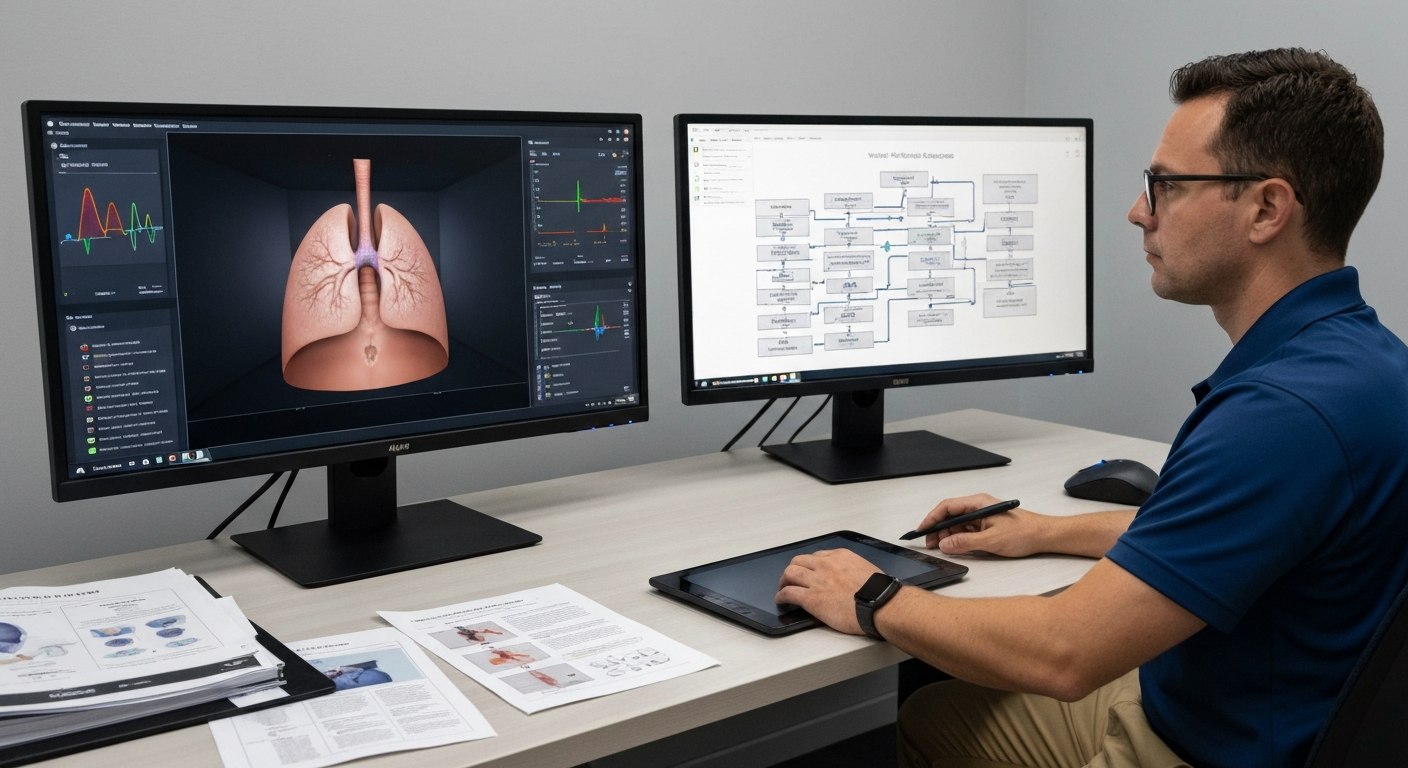
Virtual patient systems are powered by a blend of technologies that recreate realistic clinical encounters. These tools combine XR, 3D modeling, AI, and real-time interaction.
1. 3D Anatomy & Visualization Engines
Virtual patients exhibit detailed anatomy: