← All insights

Healthcare journal

Clinical Simulator: Software and Implementation Guide

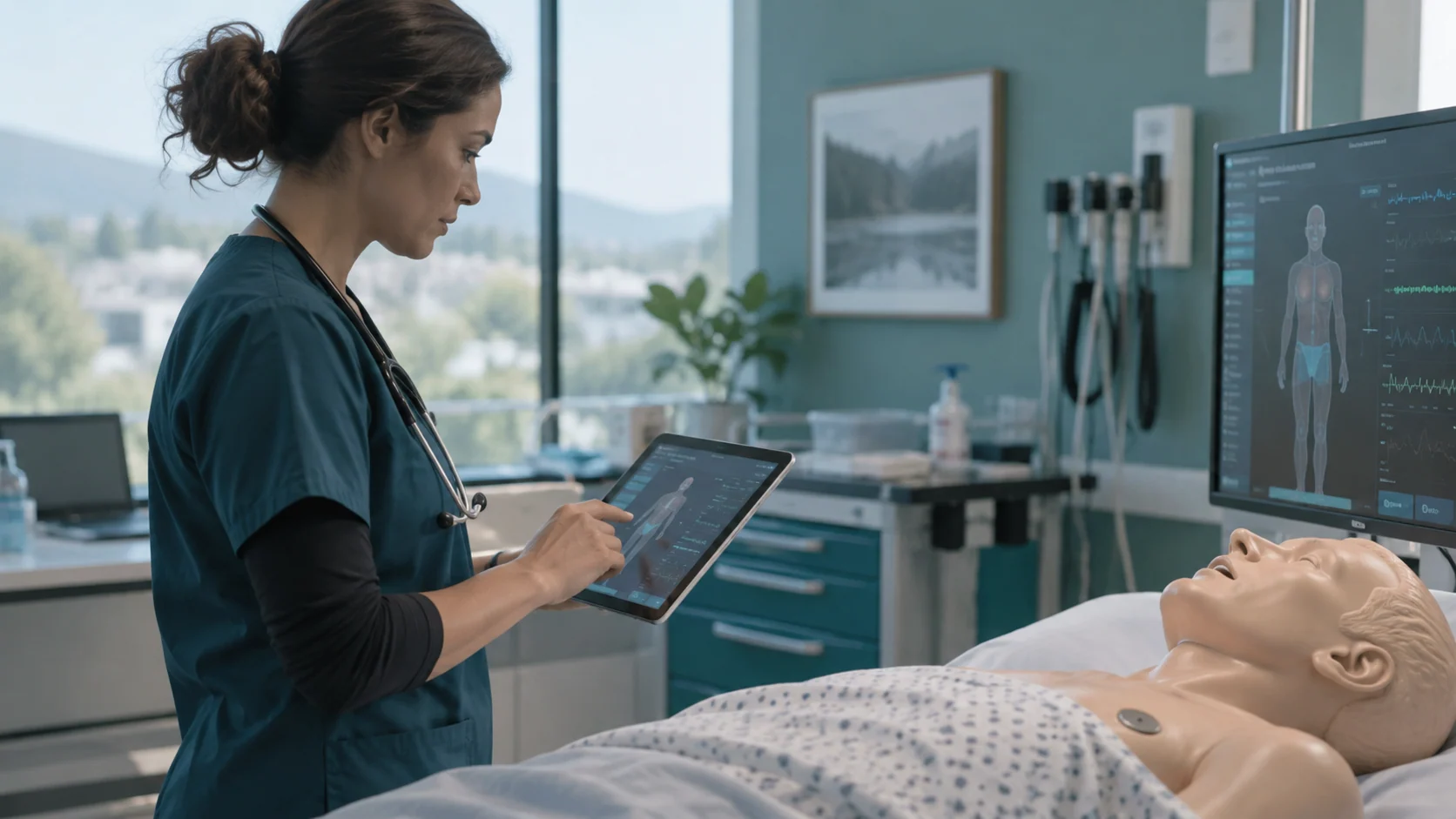
Concept illustration: Clinical Simulator: Software and Implementation Guide

How do you choose a clinical simulator that improves real performance instead of adding another unused training tool?


Clinical simulators can give healthcare learners safe, repeatable access to decisions, procedures and team situations that are difficult, expensive or risky to practice in real care. Their value depends on the connection between the learning objective, scenario, technology, facilitation and evidence.

This guide explains how hospitals and educators can define competencies, design virtual patients, select software and hardware, measure performance, protect learners and scale a simulator from pilot to dependable training service.


Table of Contents

  1. What Is a Clinical Simulator?

  2. Define the Competency Before Choosing Technology

  3. Design Scenarios and Virtual Patients

  4. Select Clinical Simulation Software and Hardware

  5. Connect Assessment, Analytics and Debriefing

  6. Plan Safety, Privacy and Accessibility

  7. Pilot, Validate and Scale the Clinical Simulator

  8. Clinical Simulator FAQ

  9. Conclusion: Build the Training Service Around Competence

What Is a Clinical Simulator?


A clinical simulator is a training system that recreates patient care, procedures, decisions or team workflows without placing a real patient at risk. It may use screen-based cases, virtual patients, immersive XR, physical manikins, simulated devices or a combination of these formats.

The technology matters because it shapes what learners can see and do, but the educational purpose comes first. A simulator should create opportunities to notice cues, choose actions, communicate, receive consequences and reflect on performance. It is useful when those actions map to a real competency that educators need to develop or assess.

Clinical simulation can support students, licensed clinicians, multidisciplinary teams and operational staff. The wider evidence and use cases are covered in our guide to healthcare simulations, including repeatable practice, virtual patients and realistic training environments.
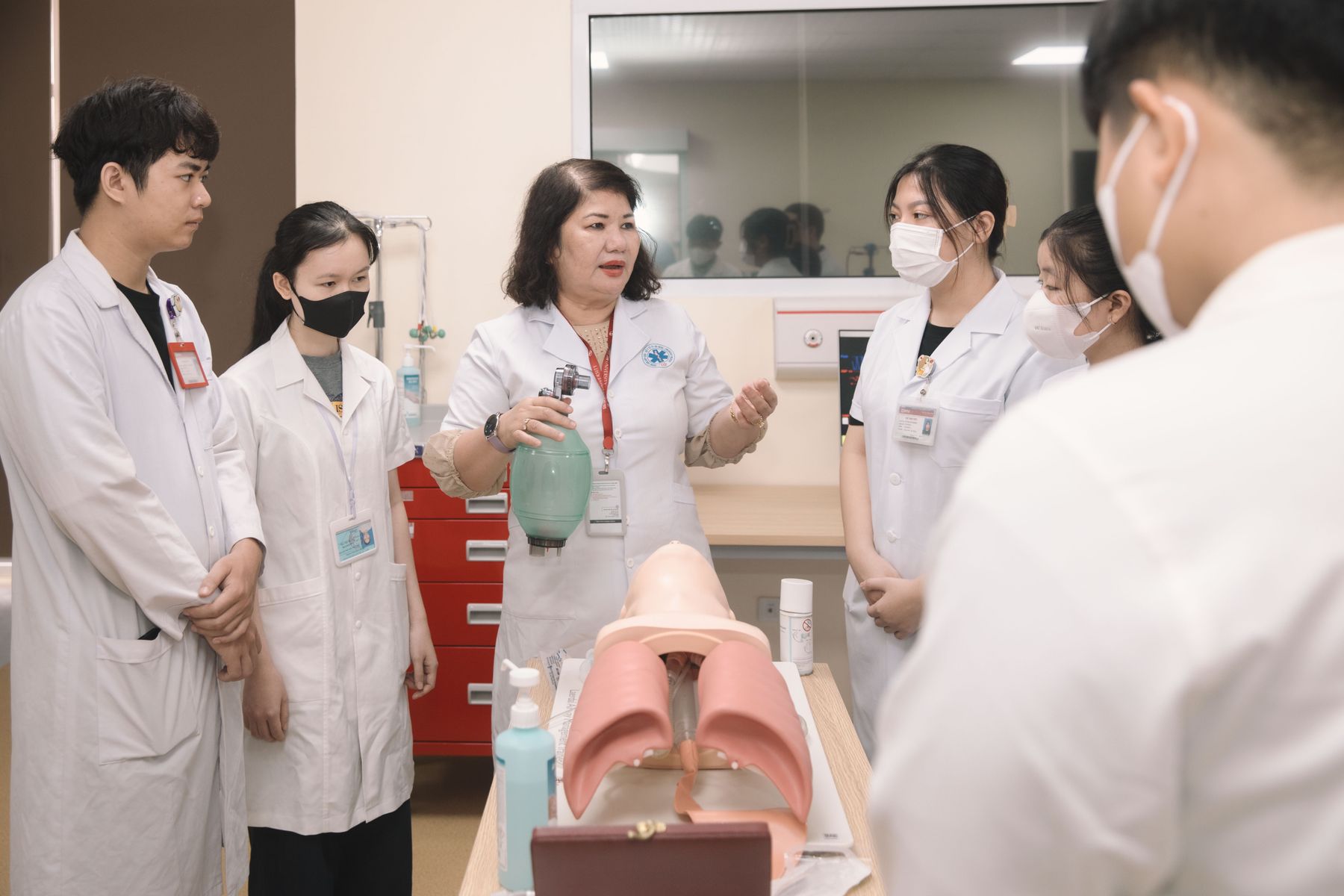
Medical students practicing clinical skills in a healthcare simulation environment

A strong simulator is therefore a learning service rather than a single device. It includes scenario design, facilitation, learner preparation, technical support, assessment, debriefing and continuous improvement.

Define the Competency Before Choosing Technology


Start by naming the decision or behavior that should improve. Objectives might include recognizing deterioration, operating a device, giving a structured handoff, applying infection precautions or managing an agitated interaction. Use observable verbs so instructors can tell whether the learner succeeded.

Separate knowledge, technical skill and teamwork. A screen-based case may test clinical reasoning efficiently, while immersive simulation can reveal spatial awareness, communication and workflow choices. Physical task trainers remain valuable when force, touch or exact hand placement is central.

Define the learner population, prior knowledge and consequences of error. A novice needs guidance and safe repetition. An experienced team may need ambiguity, interruptions and resource pressure. The same clinical topic should not produce the same scenario for every audience.


Medical device training shows how objectives guide format: learners may need to identify components, follow setup, respond to alarms and complete troubleshooting in sequence. XR becomes useful when repeatable device access and realistic context improve readiness.

Design Scenarios and Virtual Patients


A scenario should begin with a believable clinical state and a clear reason for the learner to act. Build patient history, vital signs, environment, available resources and team roles around the objective. Remove details that add complexity without changing a meaningful decision.

Concept illustration: Clinical Simulator: Software and Implementation Guide

Map the expected path and credible alternatives. Identify critical actions, common errors, escalation points and the physiological or conversational response to each choice. Branches should teach cause and effect rather than reward guessing. Include recovery paths so a learner can recognize and correct an error.

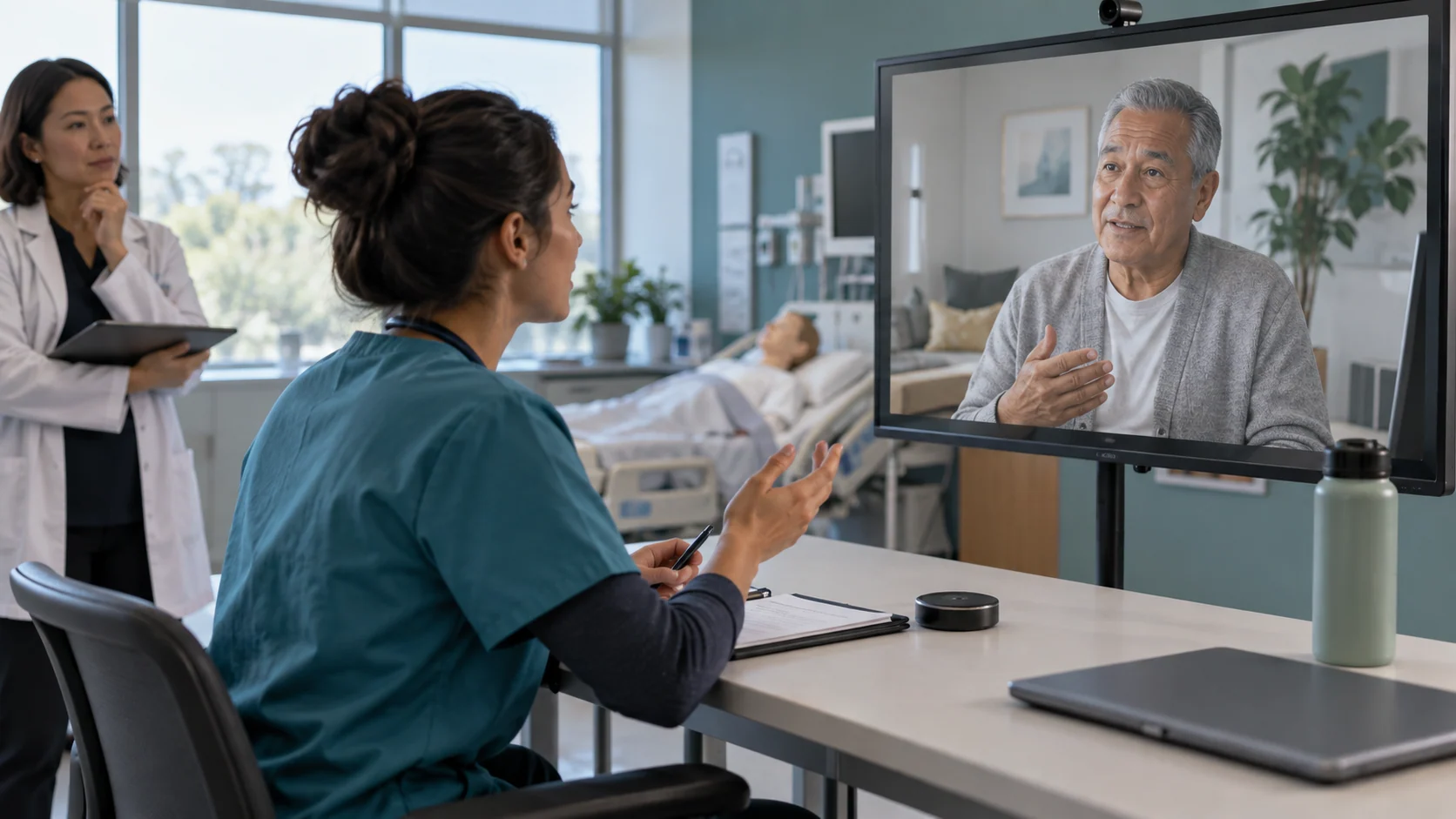
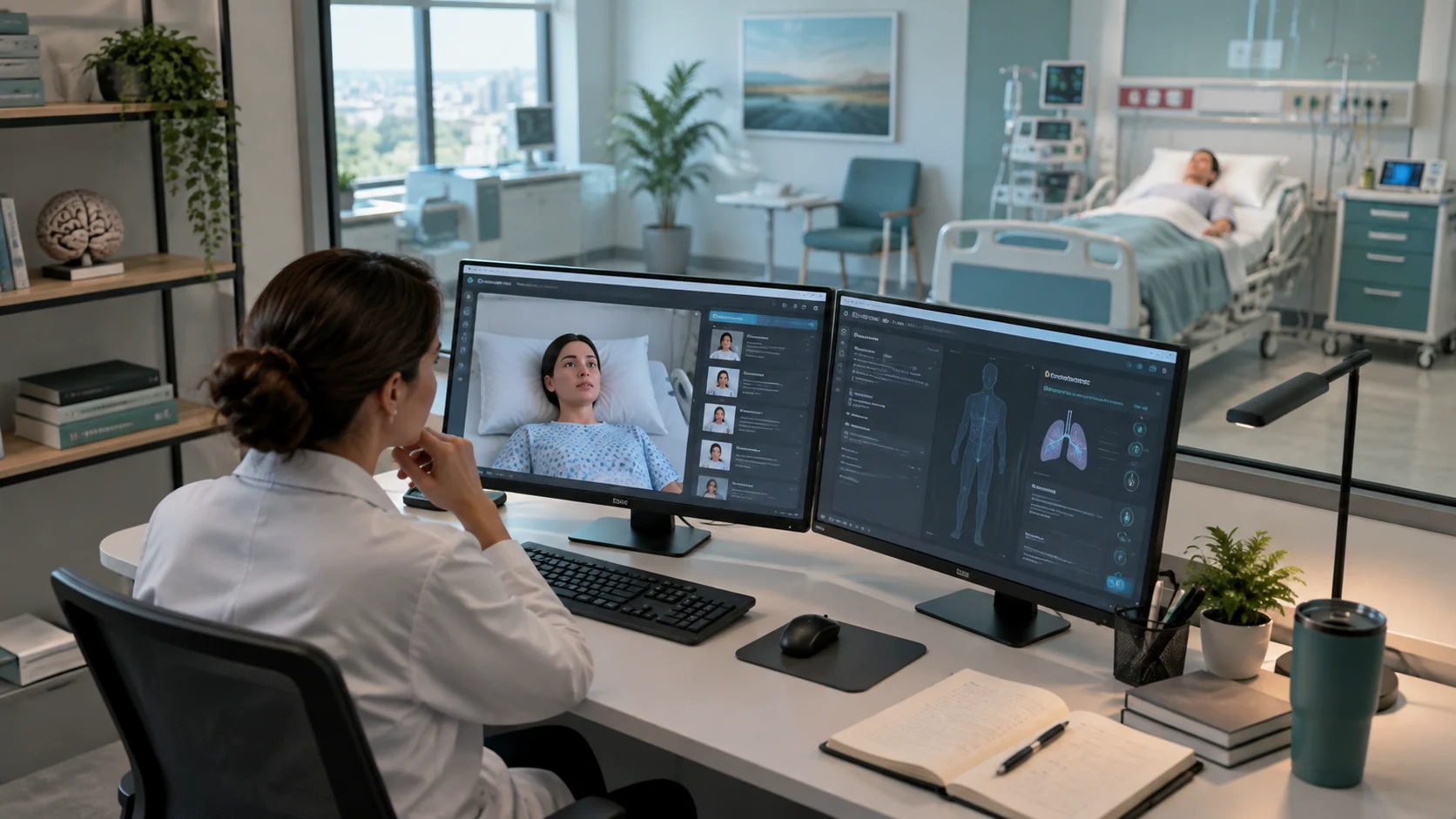
Virtual patients can support history taking, communication and clinical reasoning through responsive dialogue, expression and behavior. A health avatar needs defined scope, approved content, clear escalation rules and human oversight, especially when generative AI influences responses.

Pilot the script with subject-matter experts and representative learners. Watch for unclear instructions, unrealistic timing, cultural assumptions and cues that reveal the answer accidentally. Record scenario versions so assessment results remain interpretable after revisions.

Select Clinical Simulation Software and Hardware


Evaluate platforms against the required learning interactions. Look for scenario authoring, branching, instructor control, multi-user participation, virtual patients, device simulation, accessibility settings, analytics and integration with learning systems. A long feature list has little value if common tasks are difficult to configure.

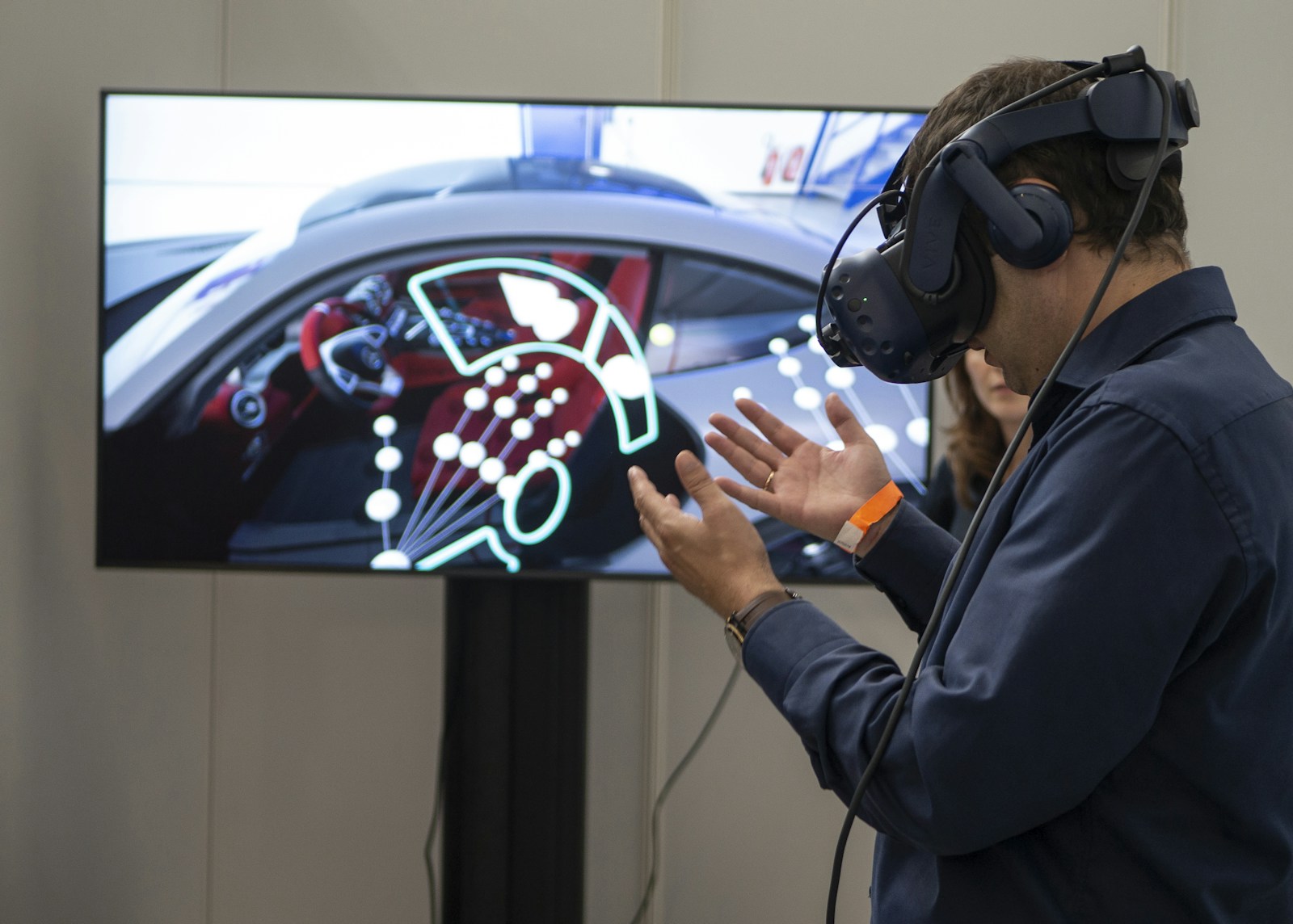
For immersive systems, review headset comfort, visual clarity, hand tracking, controller requirements, room setup, cleaning and device management. Confirm that the experience maintains stable performance and offers seated or non-headset alternatives where appropriate.

Content ownership and update workflow deserve early attention. Ask who can edit clinical information, how changes are reviewed, whether assets can move between devices and what happens if a supplier relationship ends. Exportable records and documented APIs reduce long-term dependency.

Concept illustration: Clinical Simulator: Software and Implementation Guide


Virtual reality in healthcare can support training, rehabilitation, patient education and planning, but each use has different evidence, safety and hardware needs. Match the procurement criteria to the intended workflow rather than buying one platform for every possible case.

Connect Assessment, Analytics and Debriefing


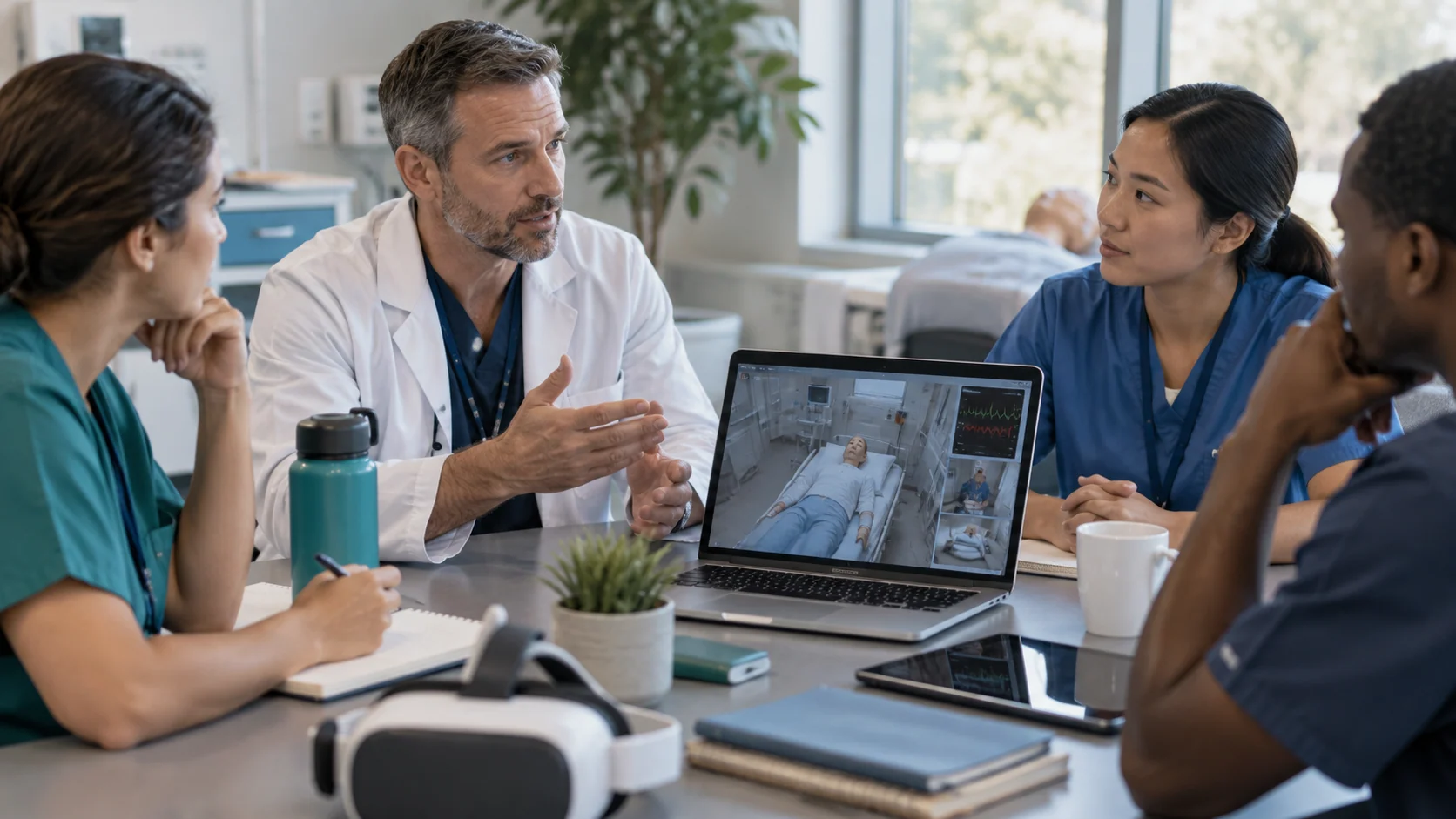
Decide which data represents competence before collecting every available event. Useful evidence may include critical actions, sequence, timing, communication, repeated attempts and response to changing conditions. Automated logs should complement instructor judgment where context affects interpretation.

Create scoring rules with clinical educators and test them against observed performance. A fast action is not always the safest action, and a correct outcome can follow weak reasoning. Rubrics should distinguish essential safety behaviors from optional efficiency improvements.

Debriefing turns the recorded experience into learning. Use a psychologically safe structure that lets participants describe what happened, explore their assumptions and connect the case with future practice. Our simulation debriefing guide explains how XR evidence can support reflection without turning the session into surveillance.

Measure retention and transfer as well as immediate scores. Follow-up scenarios, workplace observation, confidence calibration and safety indicators reveal whether performance survives beyond the training session. Hospitals can use a broader measurement framework to connect competency, transfer and operational ROI.

Plan Safety, Privacy and Accessibility


Simulation content should reflect current clinical guidance and local policy. Establish named reviewers, approval dates and a process for urgent updates. Label educational limitations clearly so learners do not mistake a simplified model for complete clinical authority.

Healthcare professional using virtual reality clinical simulation software

Collect only the data needed for learning and operation. Explain recording, analytics, retention and access before the session. Protect learner records with role-based permissions and avoid using experimental metrics for high-stakes decisions until their validity and fairness are established.

Physical and psychological safety require planning. Screen participants for relevant risks, provide a stop method, manage headset hygiene and design difficult scenarios with appropriate preparation and support. De-escalation training demonstrates why emotional realism must be balanced with trauma-informed facilitation.

Accessibility should cover captions, audio, color, text size, controls, seated use, mobility, language and alternative formats. Include disabled clinicians and learners in testing rather than assuming one adaptation will meet every need.

Pilot, Validate and Scale the Clinical Simulator


Choose a contained pilot with a clear learner group, repeatable scenario and measurable problem. Record the current training time, access constraints, performance and support effort. A baseline makes it possible to judge whether the simulator adds value beyond novelty.

Test the complete service: enrollment, device setup, orientation, scenario, facilitator controls, recovery from faults, debrief, data export and cleaning. Track completion, critical actions, learner comfort, technical incidents, instructor workload and cost per successful session.


Clinical onboarding is a strong scaling pattern because common workflows can be standardized while local roles and policies remain configurable. A structured XR onboarding program can help hospitals validate readiness before staff enter unfamiliar environments.

Concept illustration: Clinical Simulator: Software and Implementation Guide

Scale through governance and reusable components. Maintain an approved scenario library, shared interaction patterns, competency definitions, facilitator training and release notes. Review outcomes by learner group and site, then revise content when evidence, equipment or clinical practice changes.

Budget for content maintenance, device replacement, technical support and instructor time as well as licenses. The VR healthcare training cost guide provides a practical way to compare delivery models and calculate return on investment.

Clinical Simulator FAQ

What is a clinical simulator?

A clinical simulator is a software, immersive, physical or hybrid system that recreates patient care and clinical decisions for safe practice, assessment and team learning.

Who uses clinical simulation software?

Medical and nursing students, licensed clinicians, multidisciplinary teams, device users, educators and hospital operations staff can all use clinical simulators when scenarios match their roles.

What is the difference between a simulator and a simulation?

The simulator is the technology or environment. The simulation is the complete learning activity, including objectives, scenario, participants, facilitation, assessment and debriefing.

Can a clinical simulator replace supervised practice?

Usually no. It can prepare learners, provide repetition and assess defined skills, but supervised clinical experience remains necessary for authentic patient care, judgment and professional responsibility.

What features should clinical simulation software include?

Useful features may include scenario authoring, branching, instructor controls, virtual patients, multi-user sessions, analytics, accessibility options, learning-system integration and secure data export.

Healthcare professionals reviewing safety and infection control requirements for simulation

How are learners assessed in a clinical simulator?

Programs can combine action logs, timing, checklists, communication rubrics, instructor observation, self-reflection and follow-up assessments. Measures should match validated competencies.

Is VR required for clinical simulation?

No. Screen-based cases, standardized patients, manikins and physical task trainers remain valuable. VR is helpful when spatial context, repeatable interaction or safe access to rare scenarios matters.

How should hospitals protect simulation data?

Collect the minimum necessary data, explain its purpose, restrict access, set retention rules, secure transfers and validate analytics before using them for consequential decisions.

How long does a clinical simulator pilot take?

Timing depends on content and integration, but a contained pilot can often be planned, configured, tested and evaluated within several weeks to a few months.

Which KPIs should a simulation program track?

Track completion, critical actions, retention, transfer, learner comfort, technical reliability, facilitator workload, cost per session and relevant patient-safety or operational indicators.

Procurement teams should ask vendors to demonstrate the exact scenario-authoring, reporting and update tasks that local educators will perform. A scripted product tour can hide the effort required to revise clinical content, enroll a cohort, recover a failed session or compare performance across sites. Give shortlisted systems a representative case and score the time, expertise and support needed to configure it.

Programs also need a content lifecycle. Assign owners for clinical accuracy, educational design, accessibility, technical compatibility and data governance. Set review intervals and triggers for immediate revision, such as a changed guideline, recalled device or new safety alert. Archive retired versions with their assessment rules so historical learner records retain context.

Clinicians participating in an XR clinical simulation pilot

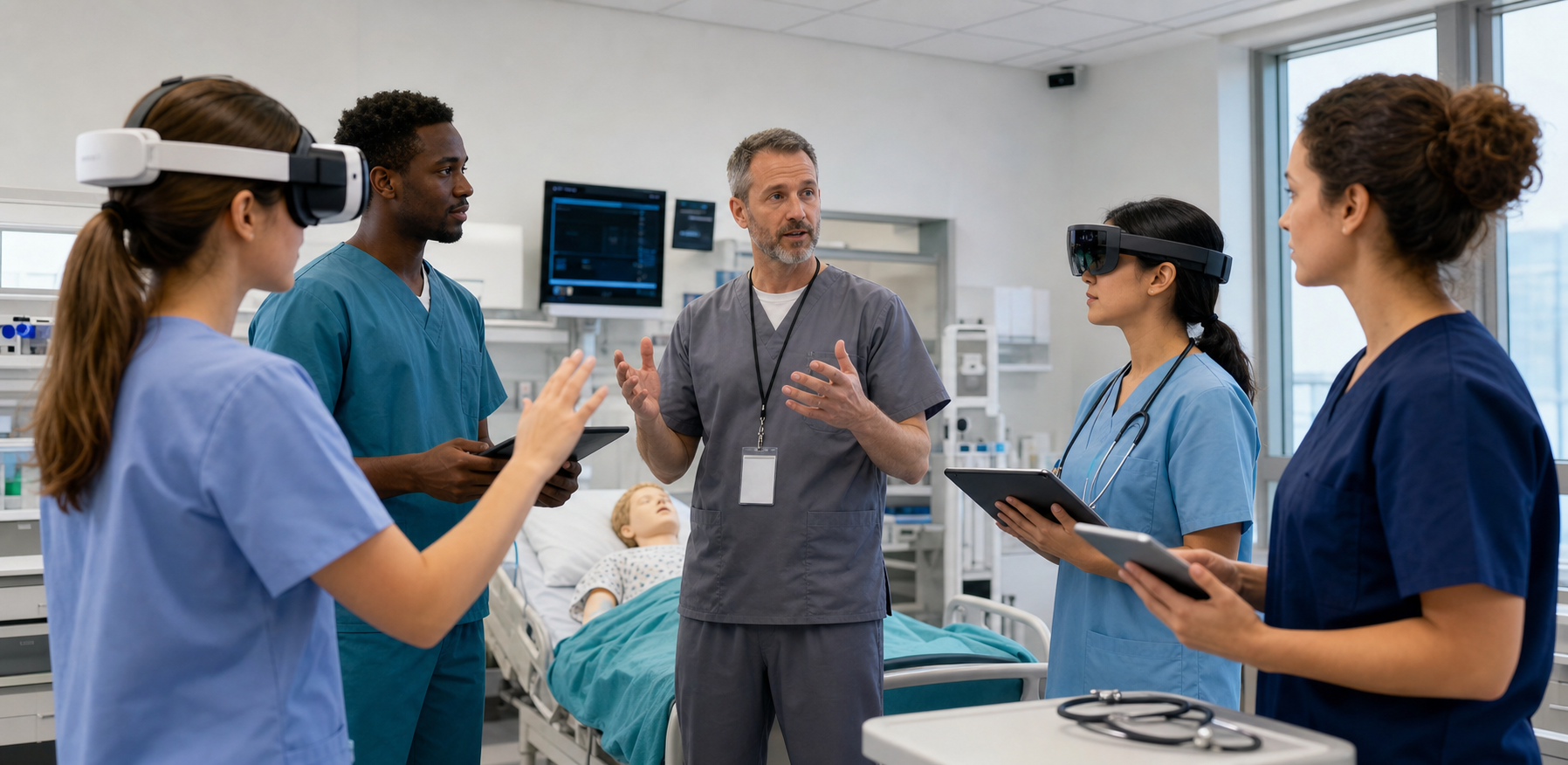
Finally, prepare facilitators before scaling learner access. They should know how to orient participants, observe without over-directing, manage distress, troubleshoot common faults and lead reflection from recorded evidence. Consistent facilitation protects the learning objective and makes performance data more comparable across sessions.

Conclusion: Build the Training Service Around Competence

A clinical simulator succeeds when the program begins with competence and supports it with believable scenarios, appropriate technology, trained facilitators, valid assessment and structured reflection. A focused pilot reveals whether the system improves access, learning and transfer before wider investment.

Ready to design a measurable clinical simulation program for your team? Explore Mimic Health XR and discuss your training goals.

Back to insights