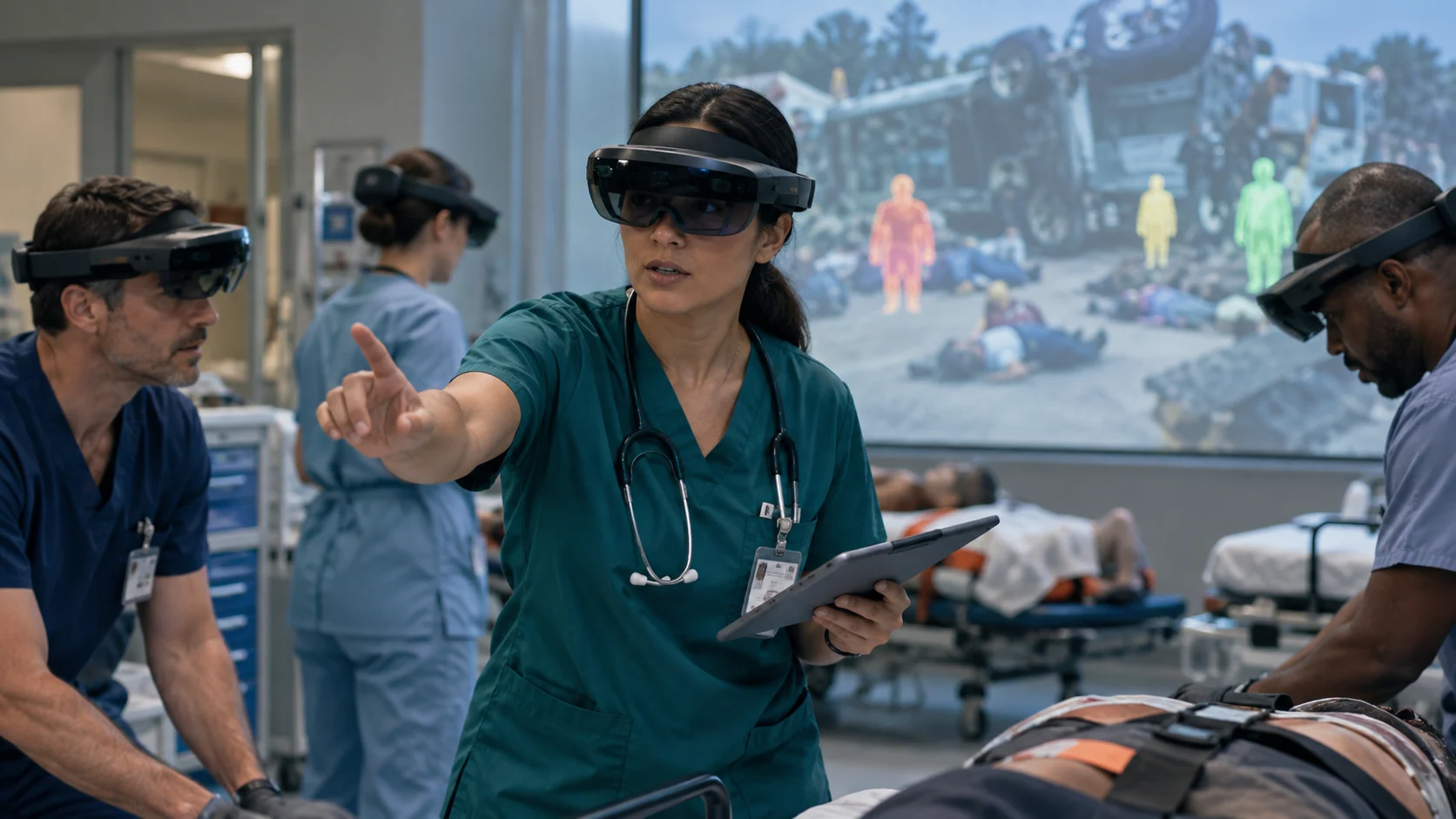
How can hospitals prepare entire teams for rare, high-consequence emergencies without disrupting patient care?
XR emergency preparedness training gives hospitals a repeatable way to rehearse mass-casualty triage, surge workflows, incident command, ambulance handoffs, and team communication in a controlled immersive environment. Instead of asking staff to imagine the pressure of a rapidly changing event, extended reality lets them experience decisions, interruptions, competing priorities, and resource constraints together.
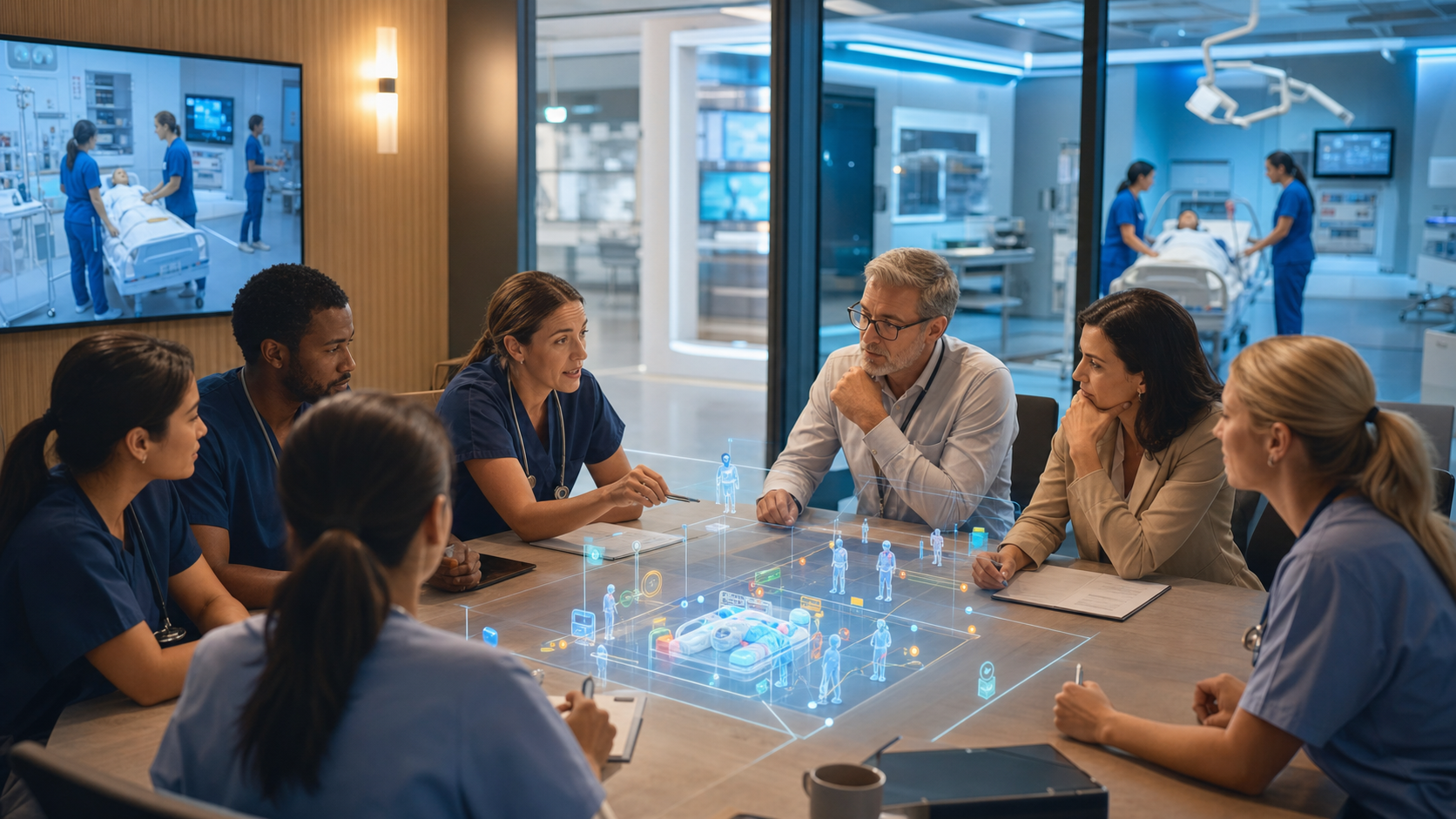
The goal is not spectacle. The value comes from realistic practice that connects clinical judgment with operational coordination. When scenarios are designed around local protocols and followed by structured debriefing, teams can expose weak handoffs, improve shared mental models, and build confidence before a real emergency tests the system.
Table of Contents
What Is XR Emergency Preparedness Training?
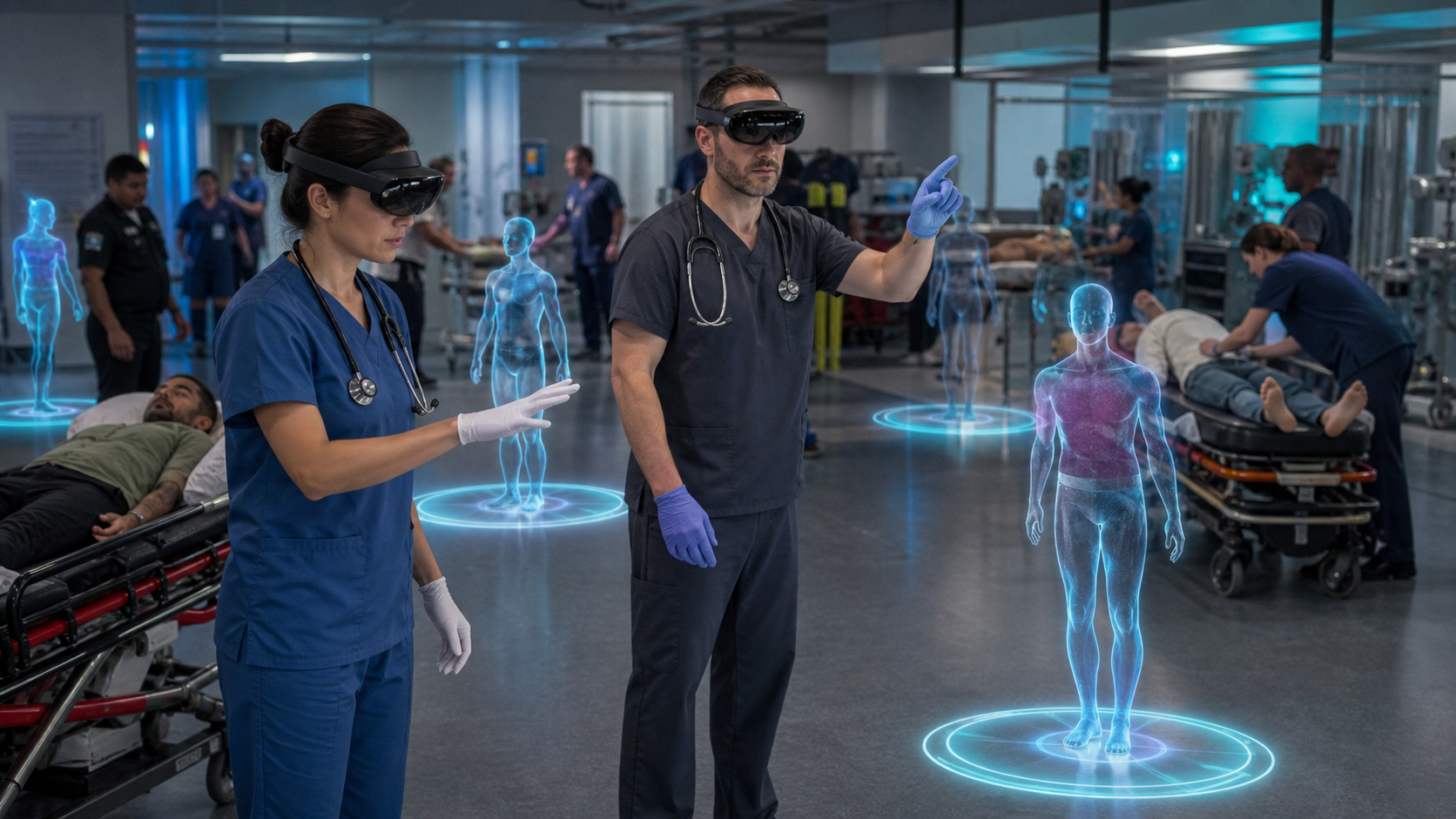
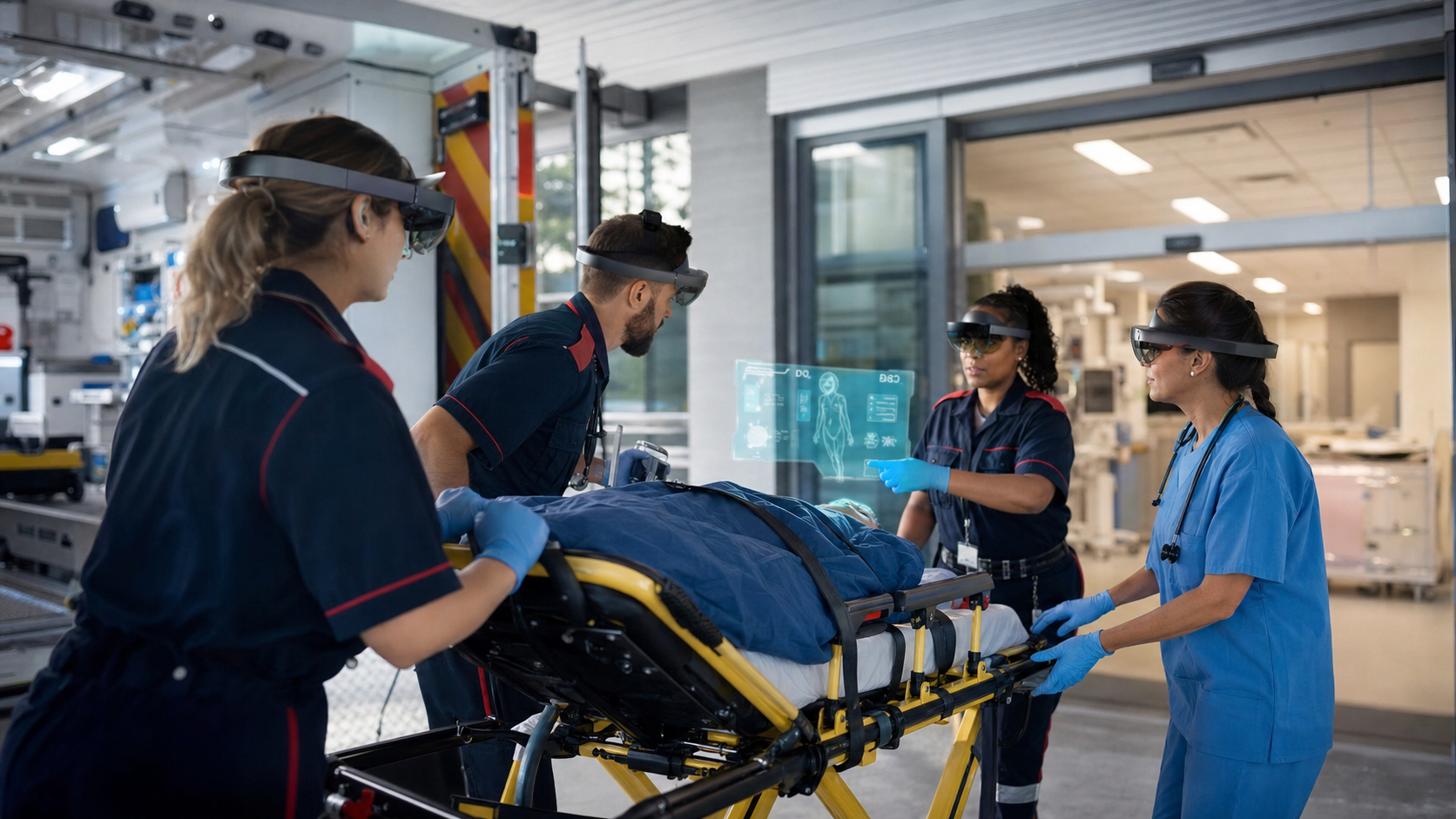
XR emergency preparedness training uses virtual reality, augmented reality, mixed reality, spatial simulation, and responsive digital patients to reproduce urgent healthcare events. Learners can enter a simulated emergency department, ambulance bay, treatment zone, or command center and respond as the situation evolves. The environment may introduce new patients, changing vital signs, limited beds, delayed supplies, communication failures, or sudden changes in hazard conditions.
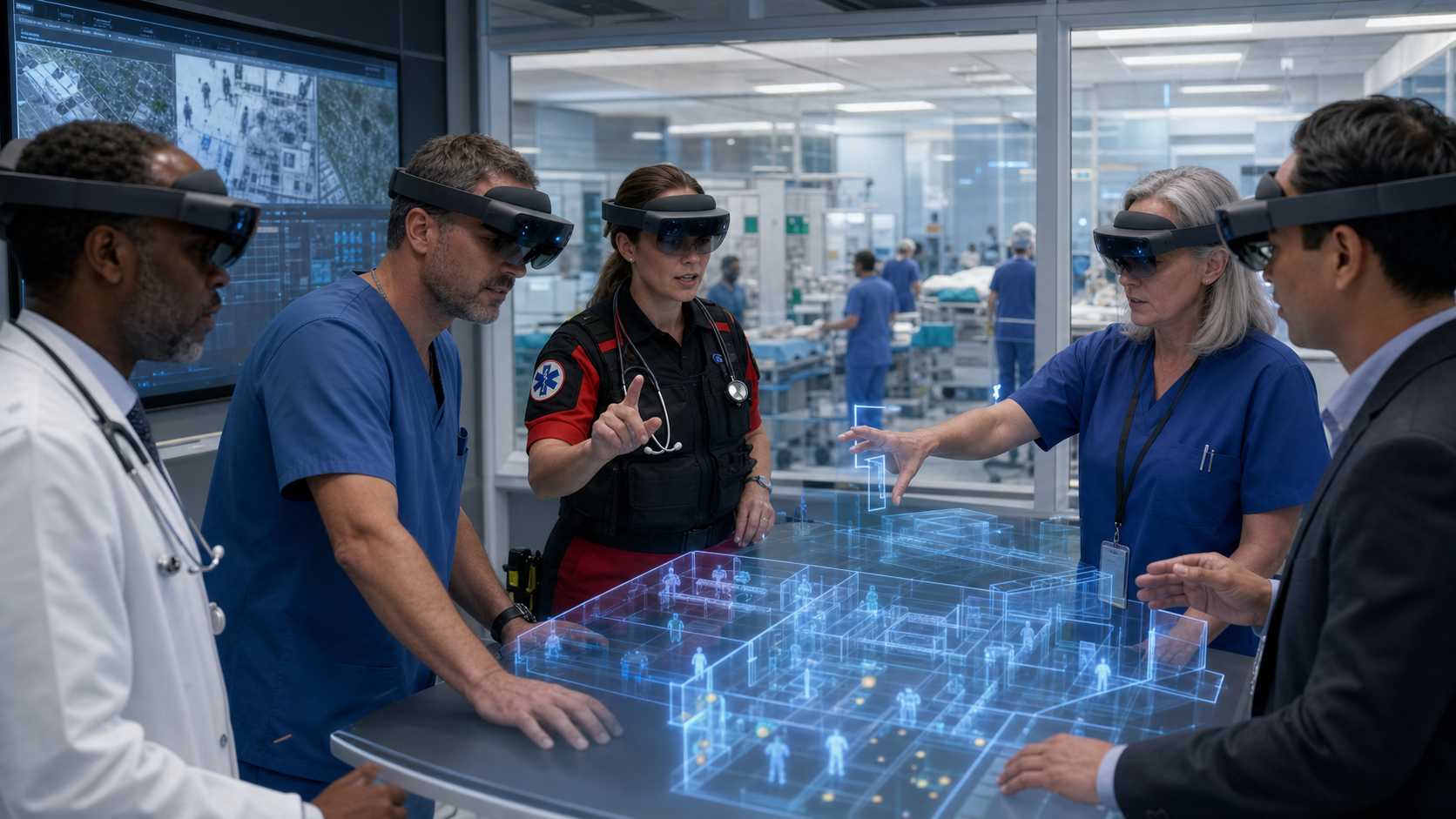
Unlike a single-user technical simulator, emergency preparedness is a system exercise. Doctors, nurses, paramedics, bed managers, infection-control teams, security staff, and operational leaders must coordinate their actions. That systems focus connects naturally with XR clinical onboarding and hospital safety training, because emergency readiness depends on familiar workflows long before a crisis begins.
Immersive drills can be delivered in a dedicated simulation center, a repurposed training room, or distributed locations connected to the same scenario. The format makes it easier to repeat the same event for different shifts, compare performance across cohorts, and adjust complexity without rebuilding a physical disaster scene. It also allows facilitators to pause, rewind, or replay critical moments during debriefing.
A strong program is designed around a clear operational question: Can the team recognize the event, establish leadership, sort patients, communicate capacity, move people safely, and escalate at the right time? Technology supports that question; it does not replace clinical policy, qualified facilitators, or hands-on equipment practice.